Agentic workflows in production: Mechanisms, costs and trade-offs
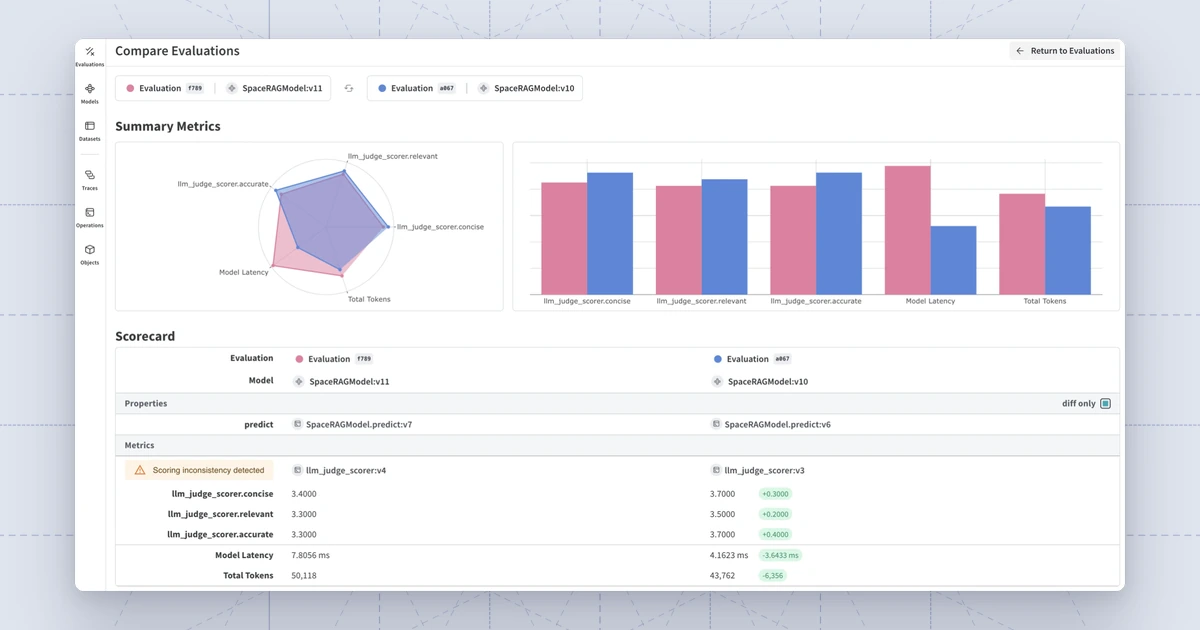
This post details the engineering challenges and solutions for operating agentic workflows in production. It introduces the concept of agentic workflows as distinct from RPA, traditional AI workflows, and chatbots, highlighting the importance of explicit goals, policies, tool contracts, state, budgets, and success criteria. The core mechanism described is a bounded control loop (plan, act, observe, reflect) with explicit state management, typed tool schemas, retry policies, loop limits, timeouts, cost budgets, and termination conditions. It also discusses the economic trade-offs and design patterns for cost optimization, such as context engineering and architecture choices, and emphasizes the need for observability and debugging capabilities for these systems.