Facebook’s new front-end server design delivers on performance without sucking up power
Mar 9, 2016Edwin Smith, Vijay Rao
Summary
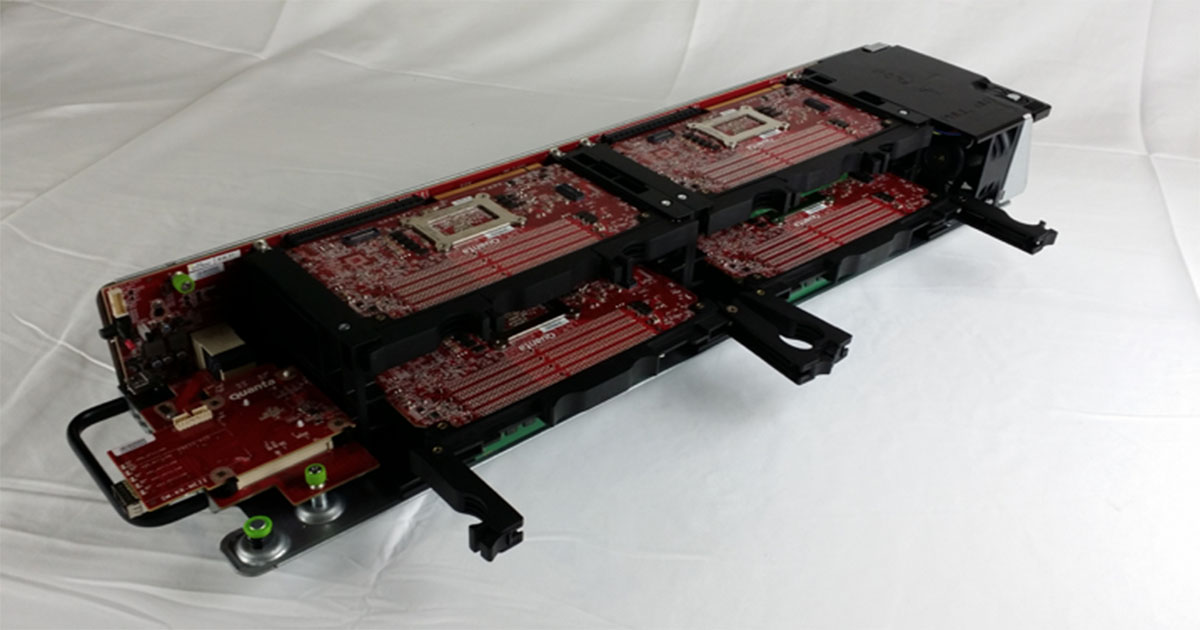
This post details the redesign of Facebook's web servers to improve performance per watt. Key contributions include a collaborative effort with Intel to develop a new one-processor Xeon-D CPU (Broadwell-D) with a lower TDP (65W), and a redesigned server infrastructure (Mono Lake boards and Yosemite sleds) that doubles the number of CPUs per rack within the existing 11kW power budget. This approach eliminates NUMA issues and improves overall data center efficiency by achieving higher compute density without exceeding power constraints. The post also highlights the potential for LLC cache partitioning to further optimize memory bandwidth and performance.
More from the Data Center Energy Efficiency and Optimization trail
- Lights Out, Systems On: Validating Instant Power Loss Readiness
- Capacity Efficiency at Meta: How Unified AI Agents Optimize Performance at Hyperscale
- Investing in Infrastructure: Meta’s Renewed Commitment to jemalloc
- Open Source Is Good for the Environment
- Design for Sustainability: New Design Principles for Reducing IT Hardware Emissions