Making floating point math highly efficient for AI hardware
Nov 8, 2018Jeff Johnson
Summary
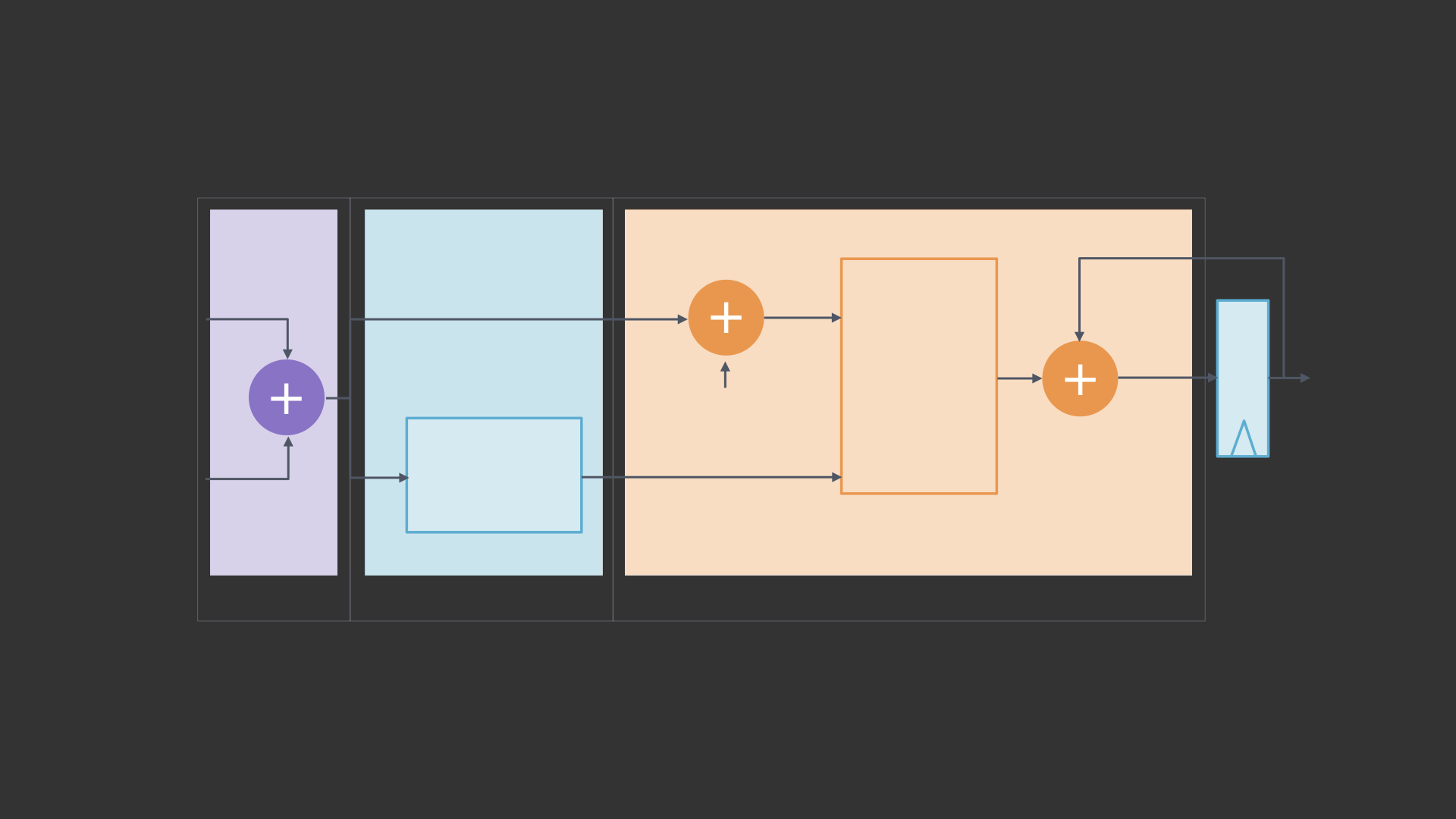
This post introduces a novel approach to optimizing floating-point arithmetic for AI hardware, aiming to improve efficiency and accuracy compared to traditional integer quantization techniques. It details the inefficiencies in current floating-point implementations (large word size, general fixed-point and floating-point machinery, IEEE 754 specific machinery) and proposes solutions such as reducing word size through tapered floating point (inspired by posits) and avoiding complex multipliers/dividers by using fraction maps. The research paper 'Rethinking floating point for deep learning' and open-source hardware designs/software are referenced.
More from the AI Research and Development trail
- An Organizational Second Brain: Building an AI That Learns From Experts
- From User Sequences to Scaling Laws: A Multi-Stage Architecture for Meta’s Ads Ranking
- GEM Training: How Meta Doubled the Efficiency of Its LLM-Scale Ads Foundation Model
- Exploring Hierarchical Interest Representation For Meta Ads Deep Funnel Optimization
- Meta’s AI Storage Blueprint at Scale