Using AI for new visual storytelling techniques in VR
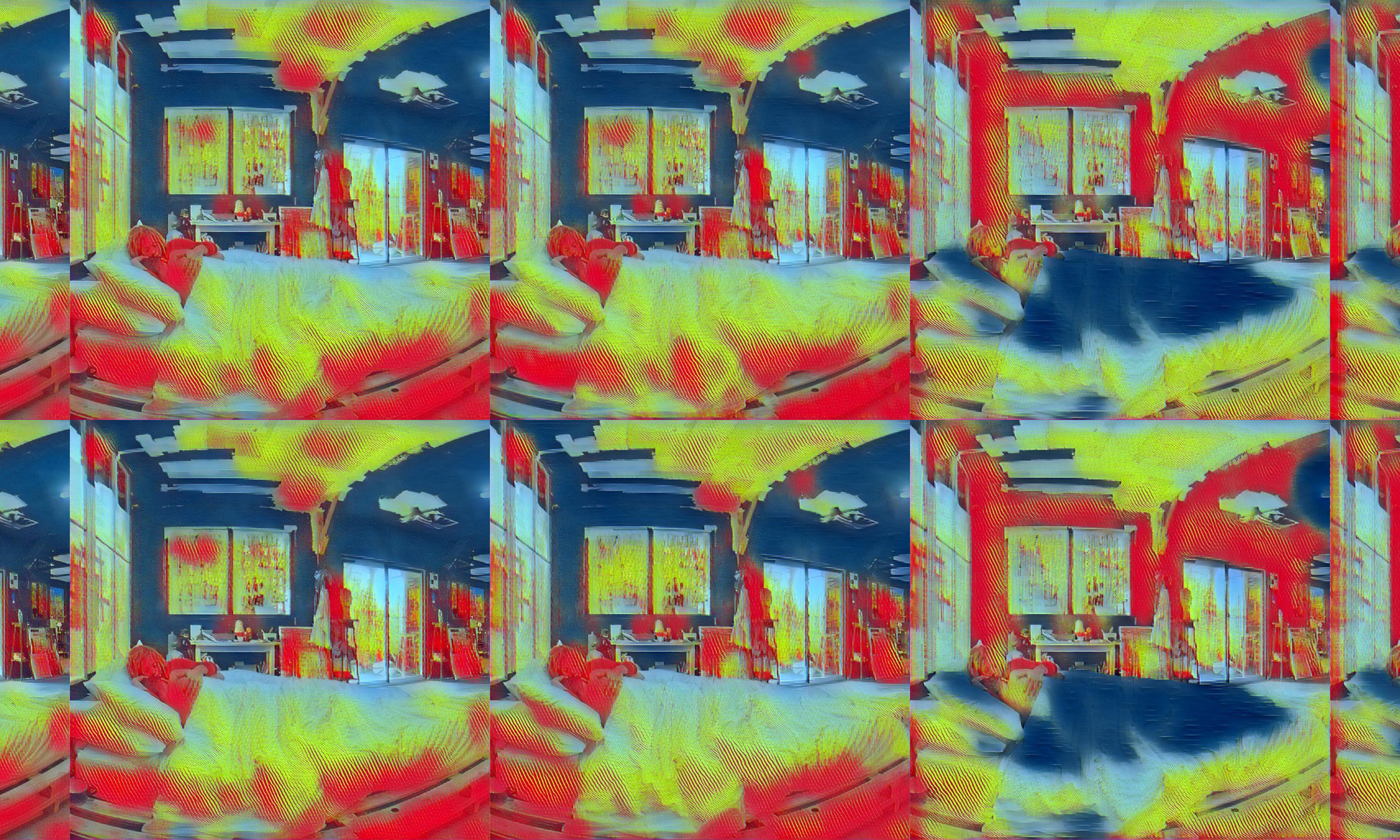
This post details the application of AI style transfer techniques to generate special effects for a VR film ('Alteration'). It describes the challenges of applying style transfer to high-definition, 360-degree, stereoscopic VR content, including memory and time constraints, and the subjective nature of optimizing against aesthetic opinions. The post outlines the process of retraining neural networks with larger image resolutions (768x768) for VR frames, the generation of high-resolution test images, and the application of models to video frames using CPUs due to RAM constraints. It also covers the technical considerations for stereoscopy, using disparity maps to ensure consistency between eyes. The work demonstrates AI's maturity as a creative tool for filmmakers.
More from the AI Research and Development trail
- An Organizational Second Brain: Building an AI That Learns From Experts
- From User Sequences to Scaling Laws: A Multi-Stage Architecture for Meta’s Ads Ranking
- GEM Training: How Meta Doubled the Efficiency of Its LLM-Scale Ads Foundation Model
- Exploring Hierarchical Interest Representation For Meta Ads Deep Funnel Optimization
- Meta’s AI Storage Blueprint at Scale