Beyond AI for Wafer Scale Compute: Setting Records in Computational Fluid Dynamics - Cerebras
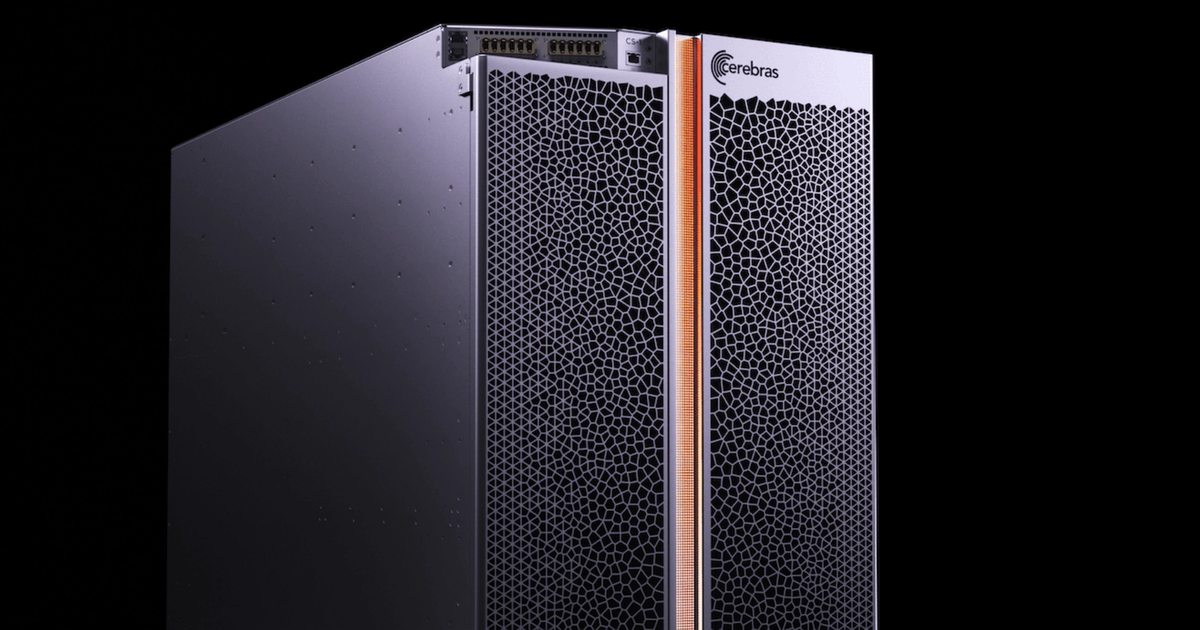
This post details how the Cerebras CS-1 wafer-scale computer was used to solve sparse linear equations for computational fluid dynamics modeling, achieving over 200x speedup compared to a leading US supercomputer. It highlights the CS-1's memory performance, on-wafer communication fabric bandwidth and low latency, and processor architecture optimized for high bandwidth computing as key enablers. The implementation mapped a 3D mesh of cells to cores on the wafer, utilizing local vector multiply-adds, sparse matrix-vector products requiring inter-core communication, and allreduce operations for dot products. The post contrasts this with conventional supercomputer cluster approaches that require coarser-grained data decomposition due to communication bottlenecks.
More from the Wafer-Scale Field Equation Modeling trail
- Real-Time Computational Physics with Wafer-Scale Processing [updated]
- TotalEnergies and Cerebras Create Massively Scalable Stencil Algorithm - Cerebras
- TotalEnergies and Cerebras: Accelerating into a Multi-Energy Future (Updated) - Cerebras
- Sandia Awards Major Contract to Cerebras Systems - Cerebras
- Cerebras Breaks Exascale Record for Molecular Dynamics Simulations - Cerebras