Simulating a neural operating system with Gemini 2.5 Flash-Lite- Google Developers Blog
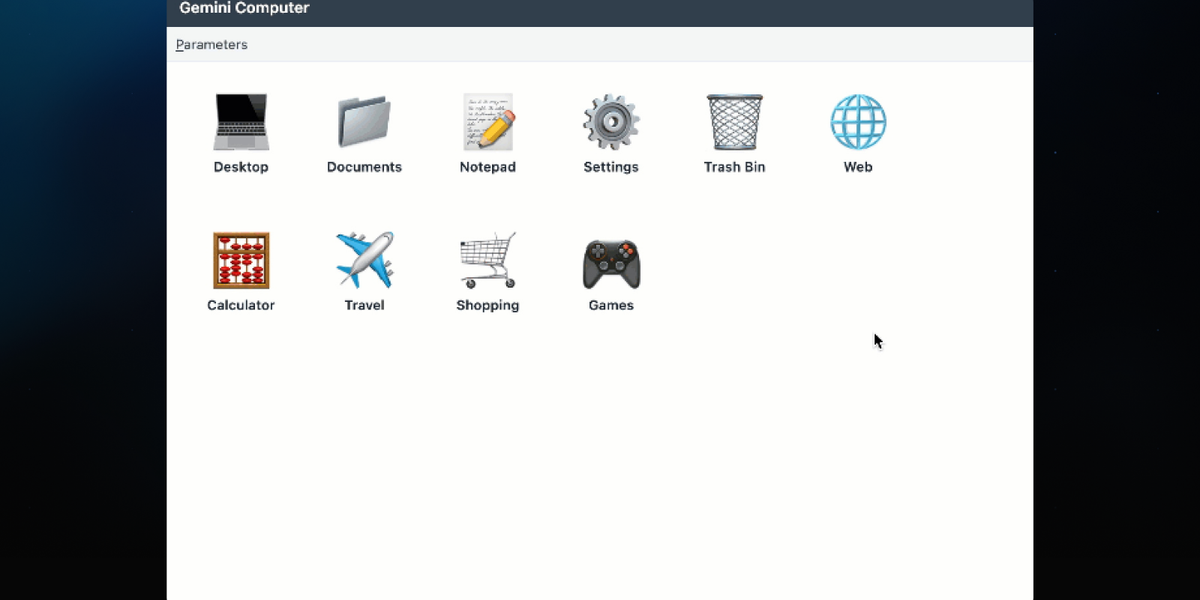
This post details a research prototype for a generative, infinite computer experience simulating an operating system. It outlines the technical approach of using Gemini 2.5 Flash-Lite to generate UI on-the-fly. Key technical contributions include: 1. Conditioning the model with a 'UI constitution' (system prompt with rules) and 'UI interaction' (JSON object of user actions). 2. Using a trace of past interactions for contextual awareness to tune UI variability. 3. Implementing progressive rendering by streaming HTML chunks from the model and appending them to the component's state for near-instantaneous UI materialization. 4. Achieving statefulness by using an in-memory cache to model a session-specific UI graph, serving stored versions of generated screens without re-querying the model.
More from the Agentic Application Middleware trail
- The Outer Loop, Insights First: An Ambient Quality Agent That Diagnoses Your Production Agent- Google Developers Blog
- Supercharge your development with the Google Developer Knowledge API ecosystem- Google Developers Blog
- Turn your REST APIs into MCP tools with Google Cloud API Gateway- Google Developers Blog
- Introducing Support for Local AI Models in the Antigravity SDK- Google Developers Blog
- Why client SDK generation belongs in the open- Google Developers Blog