Blogs
Shield Ai logo

Shield Ai

Engineering blog · shield.ai/blog

10posts0this week0watchers

Feature trails

4
Feature trailActive

Tracker C-UAS Counter-UAS Software

Tracker C-UAS is Shield AI's computer vision and deep learning software for counter-UAS operations. It analyzes EO/IR sensor data to detect and track difficult-to-see airborne objects, distinguishing them from clutter like birds or clouds. The system can maintain tracks through changing backgrounds and geolocate targets, passing information to engagement systems. It has been demonstrated to detect objects as small as 2x2 pixels and is being integrated with L3Harris's VAMPIRE system to provide a comprehensive counter-UAS solution. This post extends Hivemind's autonomy capabilities to an orbital satellite, demonstrating multi-objective optimization for imaging tasking, spacecraft health, battery state of charge, and pointing across a constellation, and increasing communication contact initiation.

3 posts · 2026

Timeline

Feature trailActive

Aechelon Visual Simulation and Synthetic Environments

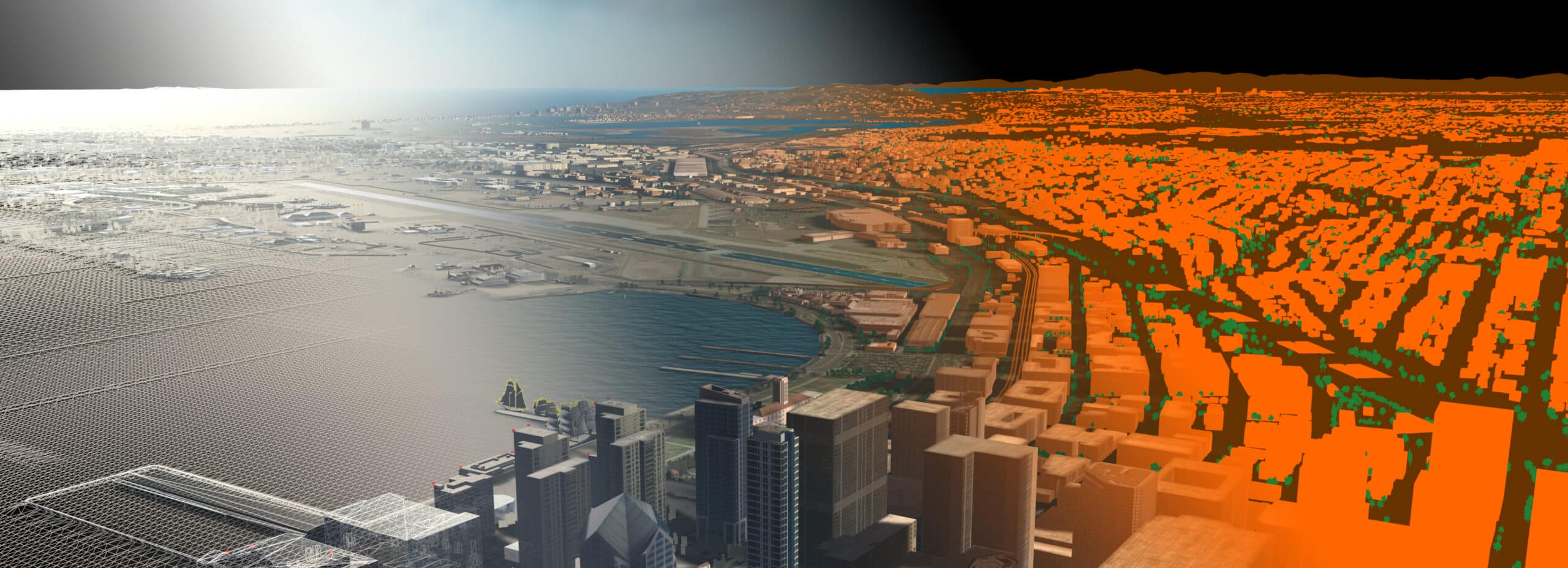
Aechelon's visual simulation capabilities are enhanced by integrating with Shield AI's Hivemind for autonomous systems. This integration focuses on creating a common training environment for both human pilots and autonomous systems, enabling them to learn and operate together. The core idea is to leverage high-fidelity simulation data to accelerate the development and improve the trustworthiness of autonomous systems by training them on a massive scale (e.g., one hundred million missions). This post details how simulation best practices, traditionally used for human training, are now being applied to generate the vast amounts of mission-relevant, synthetic data required for training and evaluating autonomous systems. It highlights the synergy between AI and simulation, where AI can assist in content creation and analysis for simulations, while simulations provide the controlled experience and data for AI learning. The goal is to enable humans and autonomous systems to train together in a shared mission context, ensuring predictable, bounded, and explainable behavior for autonomous teammates.

2 posts · 2026

Timeline

Feature trailActive

Hivemind Maritime Autonomy

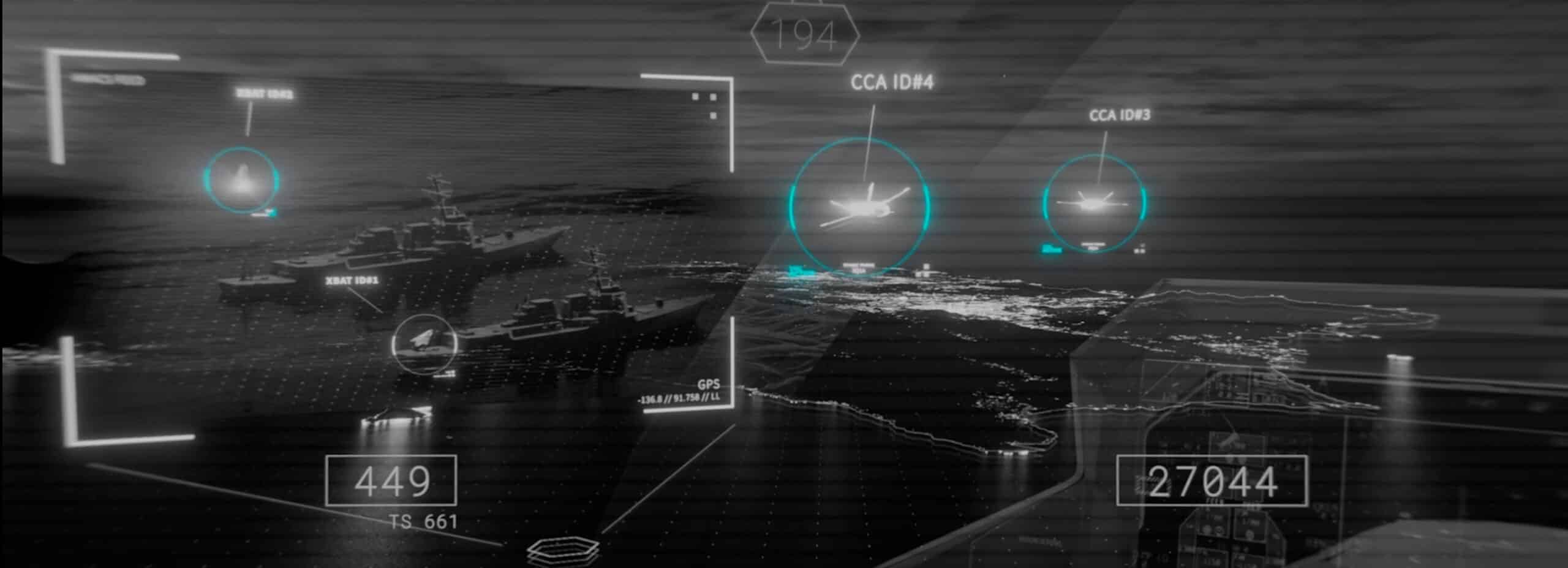
Hivemind continues to evolve its maritime autonomy capabilities, focusing on enabling coordinated, intent-driven ISR at scale. This involves pushing operator intent directly into autonomous USV teams, allowing them to dynamically prioritize and execute missions like identifying specific vessel types (e.g., pangas, distant-water fishing vessels). The system aims to reduce the burden on human operators by automating the process of building confidence in contacts, repositioning assets, cueing other assets, and fusing track data across platforms and domains. The latest iteration emphasizes autonomous mission execution, treating the maritime domain as a continuously evolving information problem to solve in real time, enabling autonomous systems to work alongside operators and across domains (air, sea, weapons systems).

13 posts · 2026

Timeline

Feature trailActive

X-BAT Vertical Takeoff Propulsion System

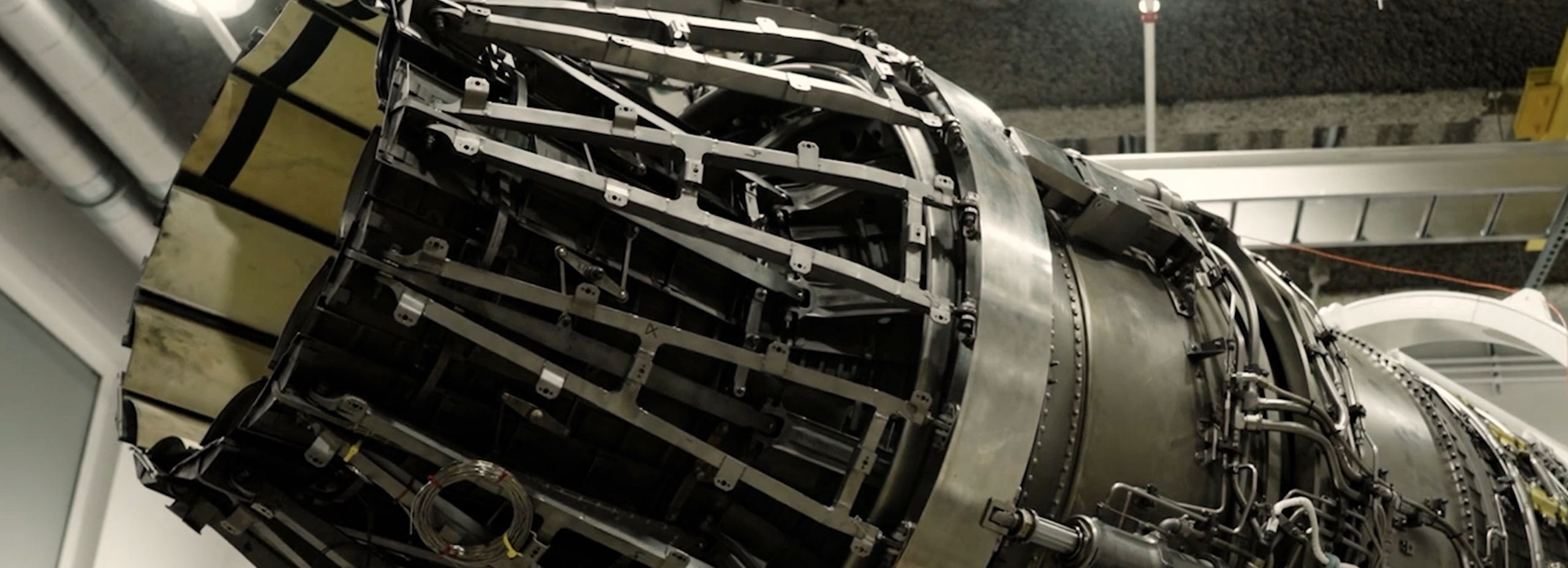
The X-BAT program continues to evolve its vertical takeoff and landing (VTOL) capabilities by integrating and re-engineering the Axisymmetric Vectoring Exhaust Nozzle (AVEN) technology. This post details the successful integration, actuation, and engine light-off testing of the AVEN with GE Aerospace's F110-GE-129E engine, adapting a 1990s F-16 thrust-vectoring nozzle for precise attitude control during hover and landing. Future iterations will focus on modern materials, guidance and control systems, and making the propulsion system faster, lighter, and more capable.

2 posts · 2026

Timeline