BlogsSpotify Feature Trails

Spotify logo

Spotify Feature Trails

See how major capabilities shipped, upgraded, and evolved across Spotify's engineering blog.

Feature trails

4

Data Lake Indexing for Point Queries

Active

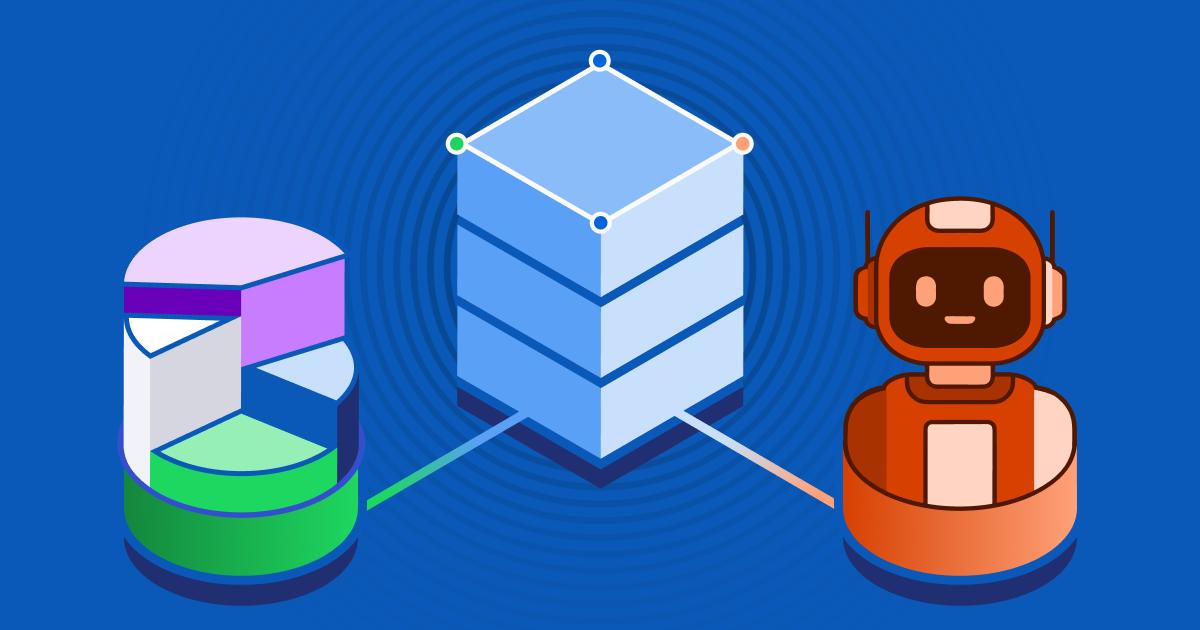
Spotify has developed Random Access Parquet (RAP), an external indexing system to enable fast point queries on large datasets stored in data lakes (like GCS). RAP maps keys directly to file locations and row numbers, allowing precise ranged reads of only the necessary data. This bypasses the overhead of distributed SQL engines for interactive use cases. Optimizations include sorting by key, co-grouping, one page per key, ZSTD frame resets within pages, storage alignment, and storing related fiel. This post details the development of an AI data assistant that leverages a "context layer" built from curated datasets, vetted question-SQL pairs, and business documentation to provide reliable data insights. This layer, organized into "clusters" owned by domain experts, enhances the LLM's ability to generate accurate SQL queries by providing crucial semantic and contextual information beyond raw schemas. The system also incorporates health monitoring for clusters and feedback loops from user interactions to maintain accuracy and relevance.

2 posts

Timeline

Podcast Publishing Pipeline Reliability

Active

Spotify is investing in broader improvements to the reliability of its podcast publishing pipeline. This includes building better capacity planning that accounts for traffic spikes and incident recovery, improving prioritization across publishing systems to ensure real-time content is processed ahead of background operations, extending rate limiting and backpressure mechanisms, and improving creator notification processes during incidents.

1 post

Timeline

AI-Assisted Developer Productivity Platform

Active

Spotify has significantly scaled developer productivity through AI-assisted coding tools and background agents like Honk. This platform leverages internal development tools like Fleetshift and Backstage to automate code modifications, manage migrations, and provide context for both human developers and AI agents. The focus has shifted from coding as a bottleneck to human decision-making and review, with a strong emphasis on standardization and consistency across the codebase to improve AI performance. The platform also supports multi-agent collaboration and integrates with developer workflows via Slack.

1 post

Timeline

AI-Assisted API Interaction

Active

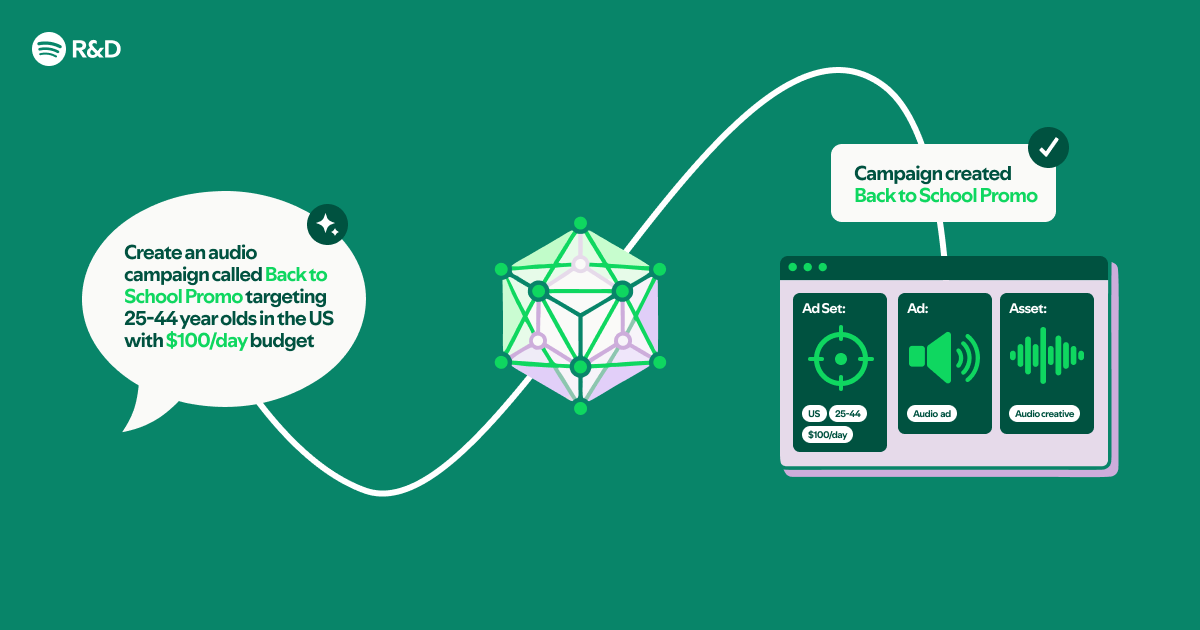
Spotify is developing AI-assisted tools to simplify interaction with its APIs. This includes building natural language interfaces and plugins for LLM agents that can translate user intent into complex API calls, orchestrate multi-step workflows, and leverage API specifications like OpenAPI for understanding and validation. The goal is to reduce the cognitive load for developers and advertisers by abstracting away API complexity.

1 post

Timeline