Blogs
Figure AI logo

Figure AI

Engineering blog · figure.ai/news

19posts0this week0watchers

Feature trails

6
Feature trailActive

Robot Fleet Decommissioning and Material Reclamation

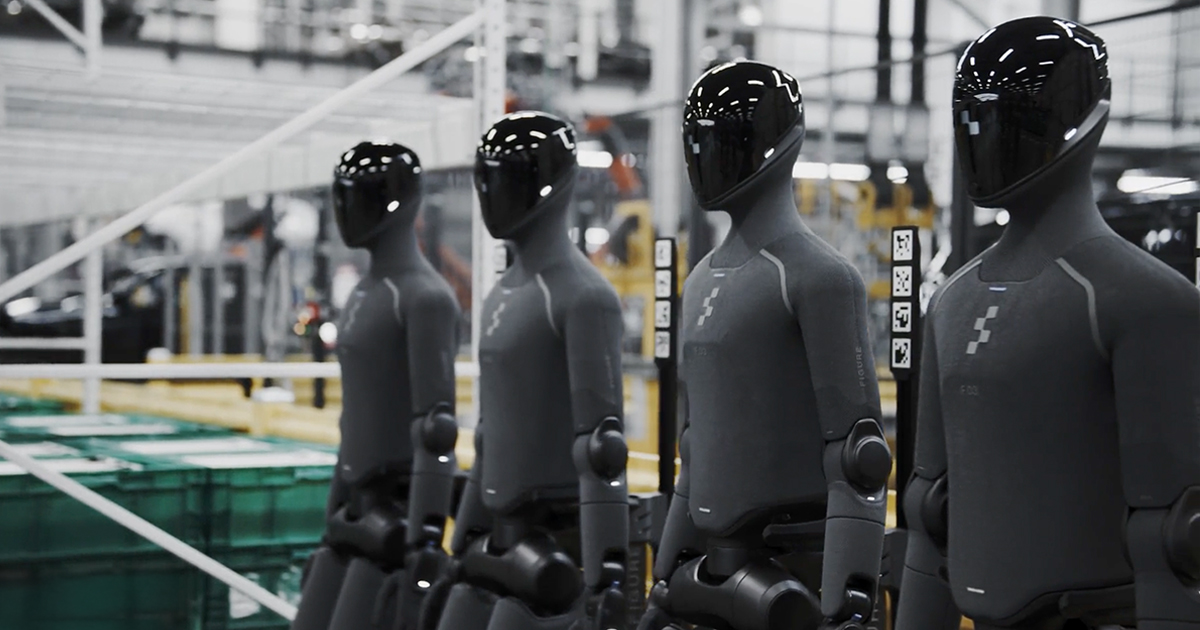
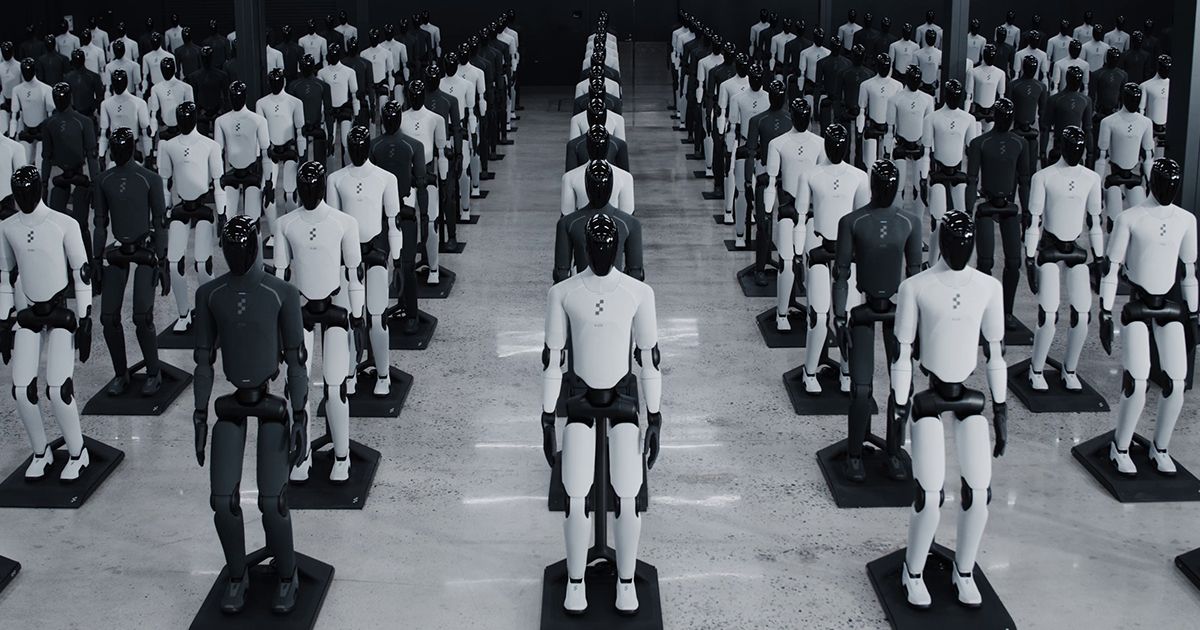
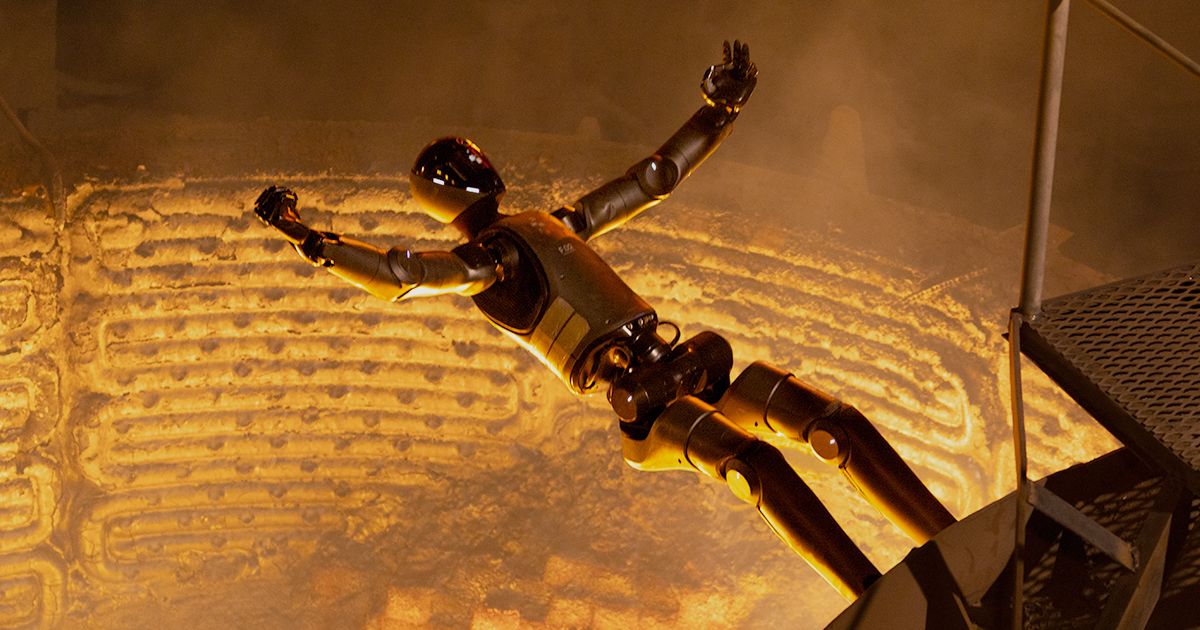
Figure AI has successfully decommissioned its F.02 robot fleet. This involved developing novel methods for safely disposing of robots with proprietary hardware and lithium-ion batteries, including training robots to autonomously jump into molten steel for material reclamation. The reclaimed metal is being used to create commemorative artifacts. This capability extends to managing the lifecycle of robot fleets and exploring sustainable material recovery.

1 post · 2026

Timeline

Feature trailActive

Humanoid Locomotion Control

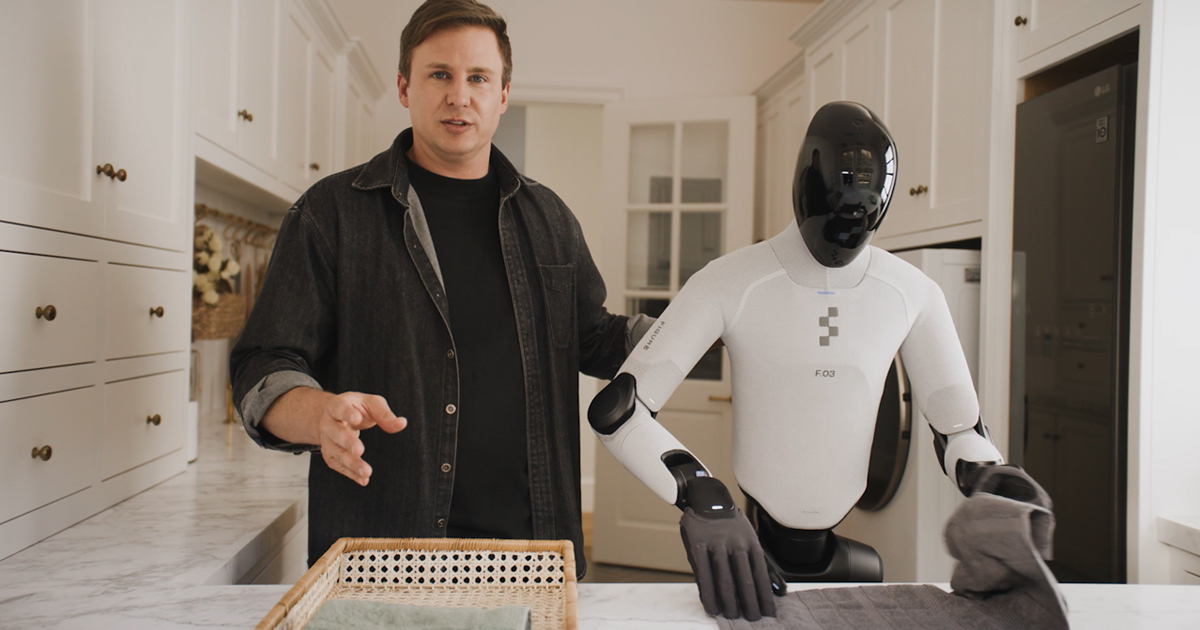
Helix 2.5, the latest iteration of Figure AI's neural network, demonstrates significant advancements in zero-shot generalization for humanoid robots. Building upon Helix 02's whole-body control capabilities, Helix 2.5 leverages pretraining on the 'Index' dataset to enable robots to perform complex tasks like tidying rooms, folding towels, and making beds in 30 previously unseen homes without any prior data collection or fine-tuning in those environments. This represents a major step towards robots understanding and adapting to new physical environments autonomously. The system shows improved efficiency in behavior specification and exhibits a human-to-humanoid robot transfer scaling law, suggesting predictable improvements with increased pretraining data.

2 posts · 2025–2026

Timeline

20252026
Feature trailActive

Physical Dataset Collection and Processing

Figure AI has launched 'Index', a proprietary pipeline for collecting and processing a massive, diverse physical dataset for robot training. This system ingests over 30 minutes of video uploads per second from a global network of 'Creators'. The pipeline includes five stages: filtering for technical, visual, and semantic quality; fraud review; deduplication to maintain diversity; rebalancing using task quotas and embedding-based clusters; and hierarchical text caption generation. The goal is to enable the generalization of AI models like Helix for robotics. The system has scaled to over 264,000 app downloads across 100+ countries with over 44,000 weekly active users, processing 16M videos and paying out $15M to Creators. Figure AI plans to invest over $1B in data and compute in the next 12 months.

1 post · 2026

Timeline

Feature trailActive

Helix 02 Dynamic Whole-Body Control

Helix, a generalist Vision-Language-Action (VLA) model, has been enhanced for humanoid logistics and general-purpose tasks. It now handles a wider variety of package types (deformable poly bags, flat envelopes) with improved dexterity and speed (4.05s/package). Key architectural improvements include temporal vision memory for stateful perception and robustness to interruptions, integration of force feedback for a sense of touch enabling precise grips, and state history for faster, more reactive control. This latest iteration, 'Helix: A Vision-Language-Action Model for Generalist Humanoid Control', introduces full-upper-body control (35-DoF at 200Hz), multi-robot collaboration, and zero-shot generalization to novel objects via a 'System 1, System 2' VLA architecture. System 2 (VLM) handles scene understanding and language comprehension at 7-9 Hz, while System 1 (visuomotor policy) translates these into precise continuous actions at 200 Hz. The model is trained end-to-end on a multi-robot dataset, with inference optimized for onboard embedded GPUs. This enables immediate commercial deployment and significantly alters robotics' scaling trajectory by allowing new skills to be specified via natural language.

13 posts · 2025–2026
Timeline

20252026
Feature trailActive

High-Volume Robot Manufacturing

Figure AI has established BotQ, a high-volume manufacturing facility capable of producing up to 12,000 humanoid robots annually. This initiative involves vertically integrated manufacturing, the development of supporting software infrastructure (MES, PLM, ERP, WMS), and the utilization of robots to build other robots. The process redesign includes rethinking robot architecture for mass production, shifting from CNC machining to tooled processes like injection molding and diecasting, and building a robust supply chain and manufacturing team. The facility also incorporates advanced automation and AI-driven robotics for assembly tasks.

1 post · 2025–2026

Timeline

20252026
Feature trailCooling

F.03 Battery System

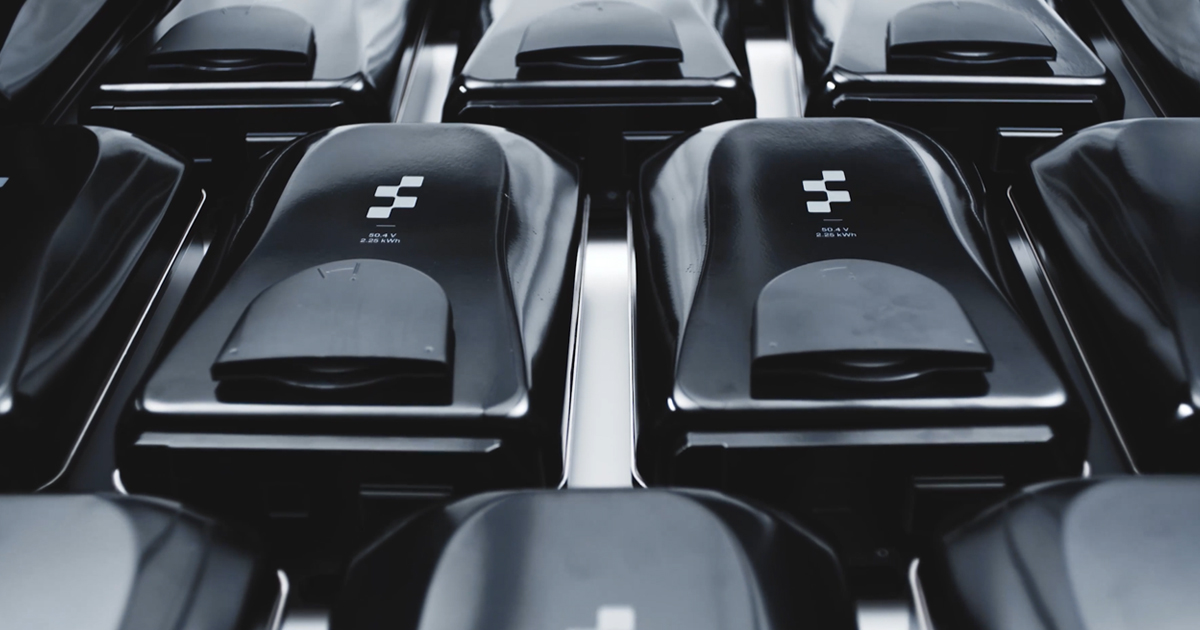
The F.03 battery represents a significant advancement in humanoid robot energy systems, featuring a 2.3 kWh capacity for 5 hours of runtime, improved energy density, 2 kW fast charging with active cooling, a custom Battery Management System (BMS), and a multi-layer safety architecture targeting both UN & UL certification. It incorporates multi-function components, structural battery design, active cooling integrated into die casting, and an anti-propagation/flame containment system. The battery is now in mass production at BotQ with a cost reduction of 78% over F.02.

1 post · 2025

Timeline

20252026