BlogsFigure AI Feature Trails

Figure AI logo

Figure AI Feature Trails

See how major capabilities shipped, upgraded, and evolved across Figure AI's engineering blog.

Feature trails

4

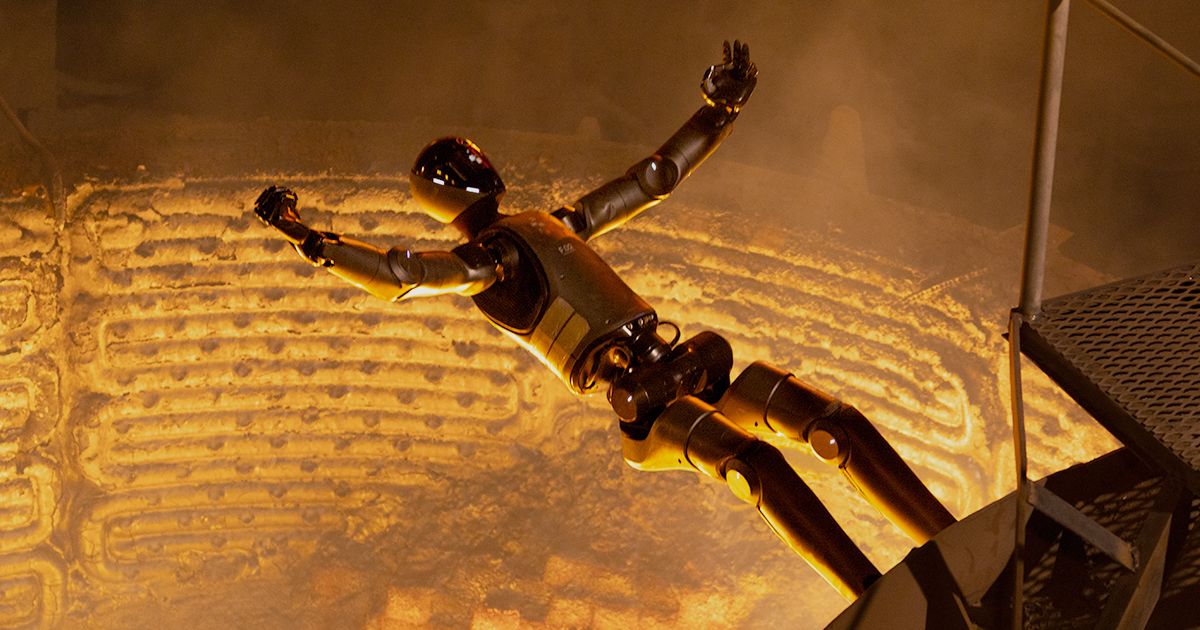
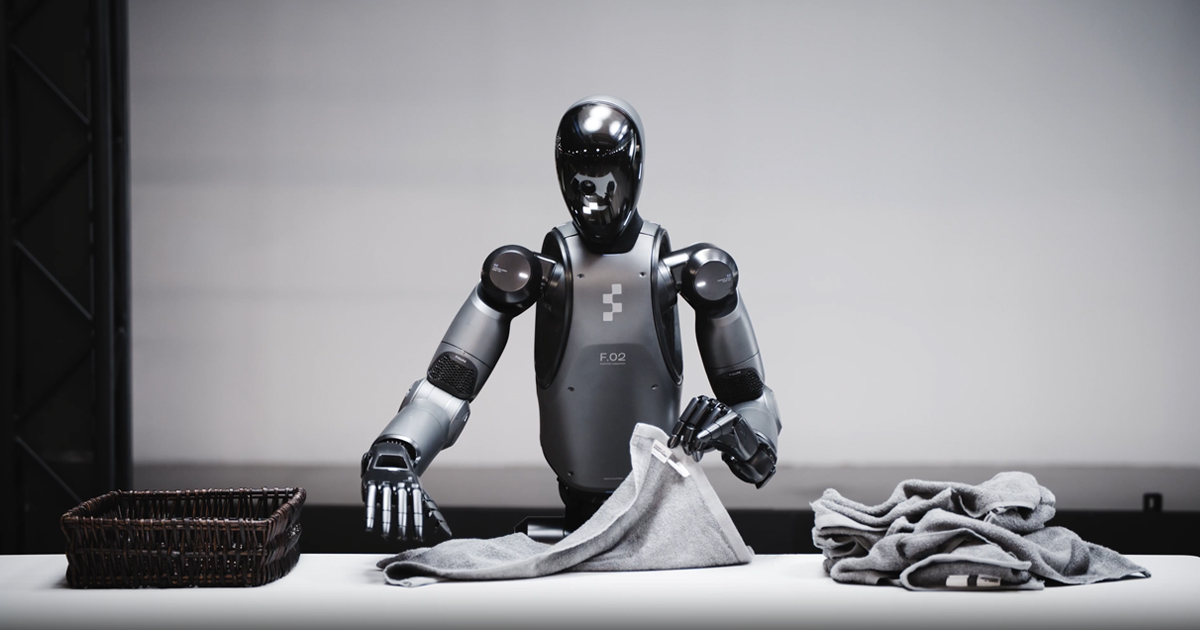
Helix 02 Dynamic Whole-Body Control

Active

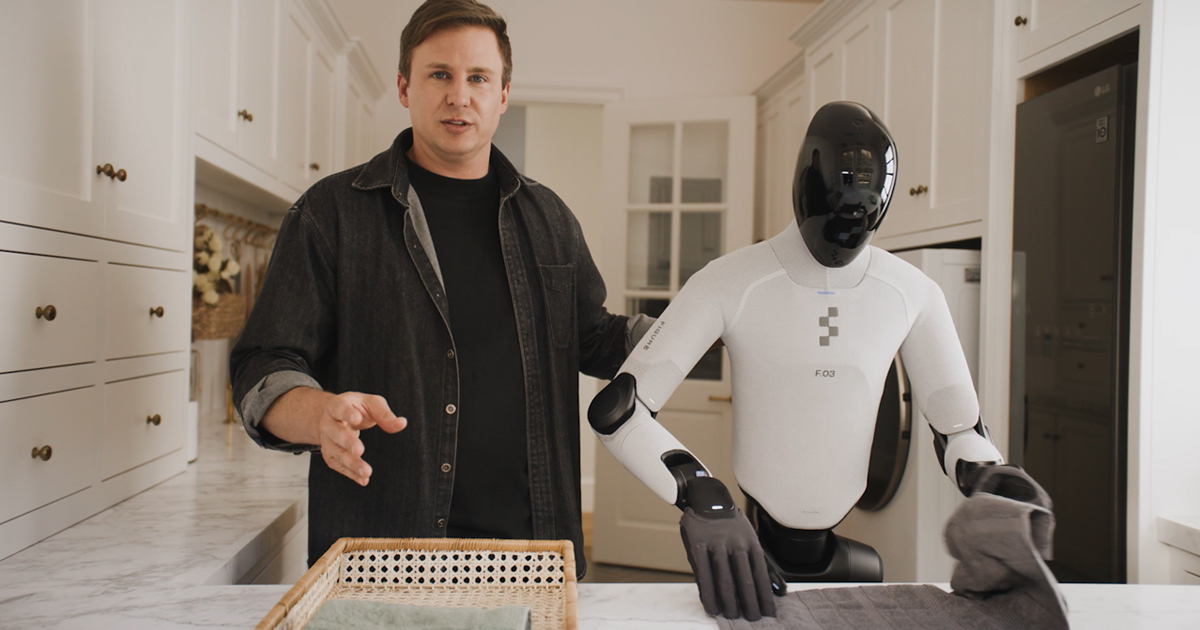
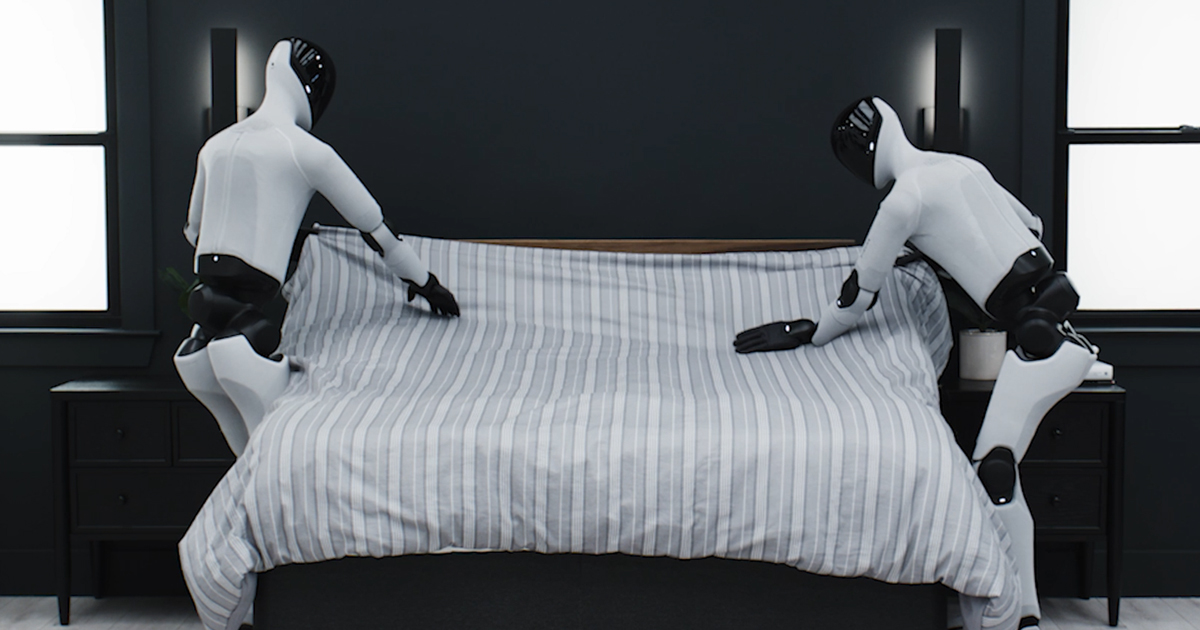
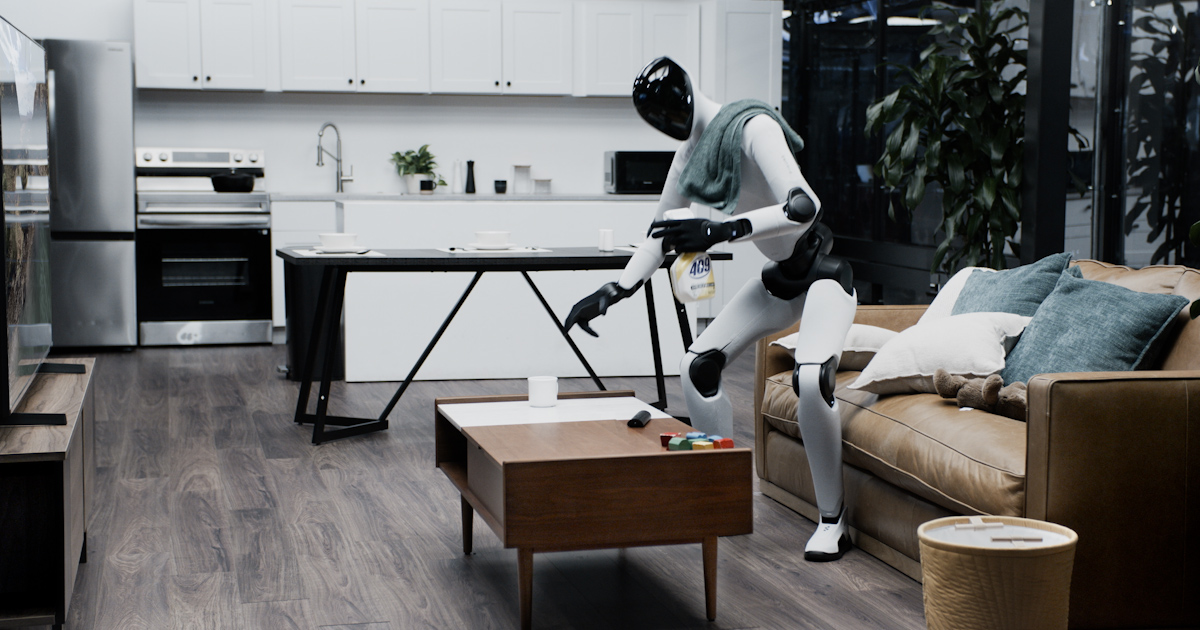
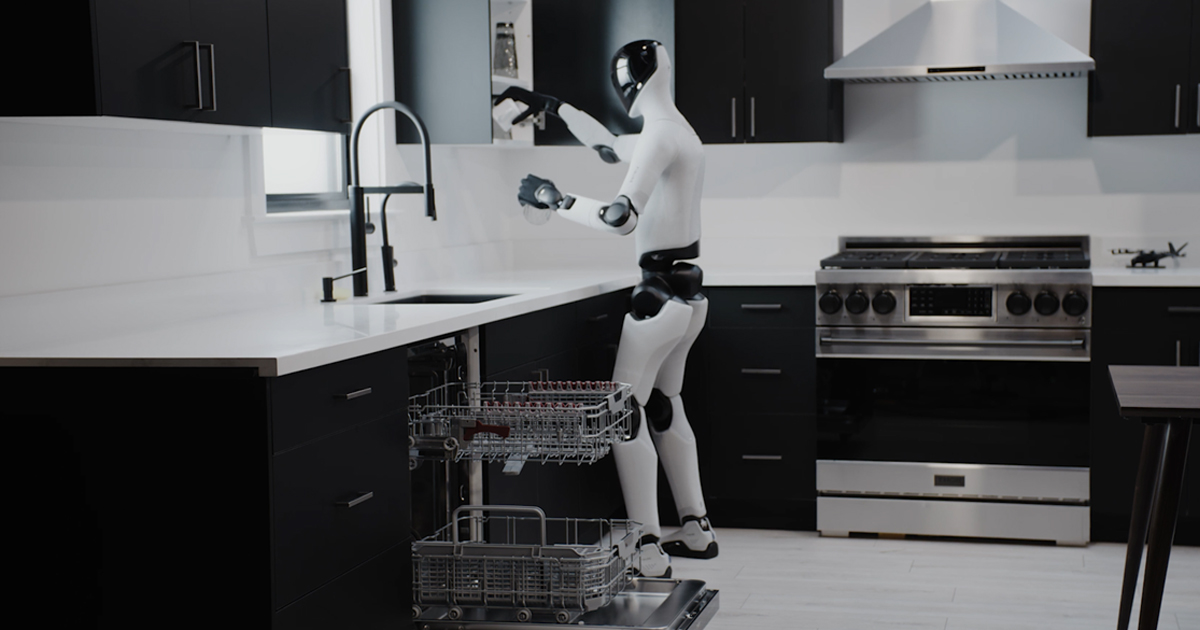
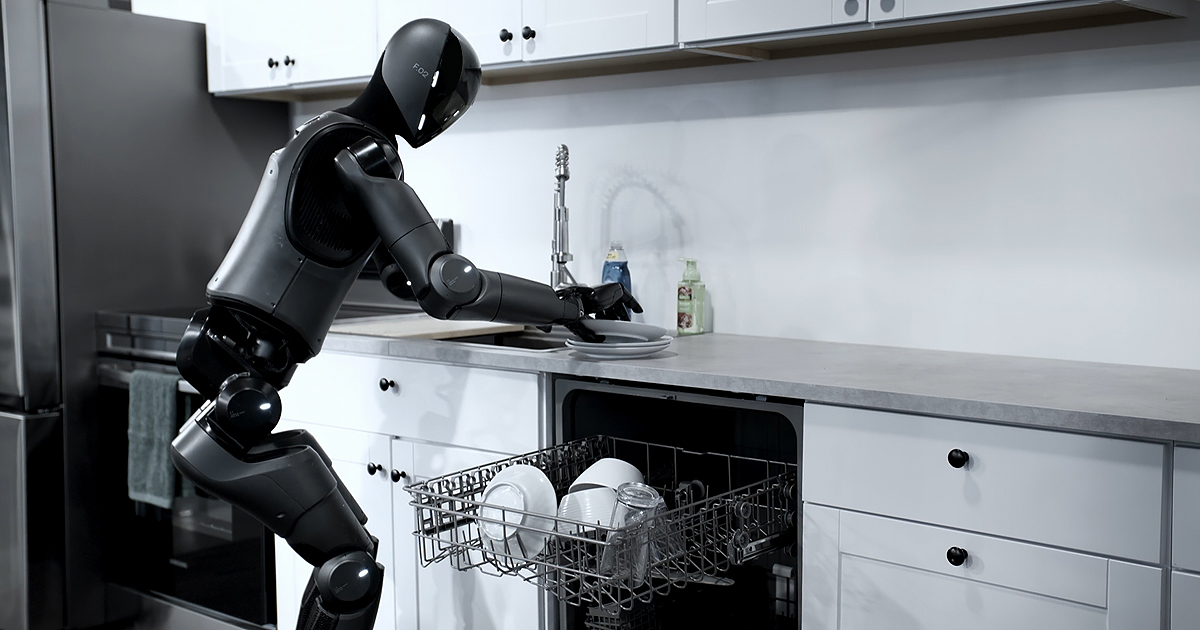
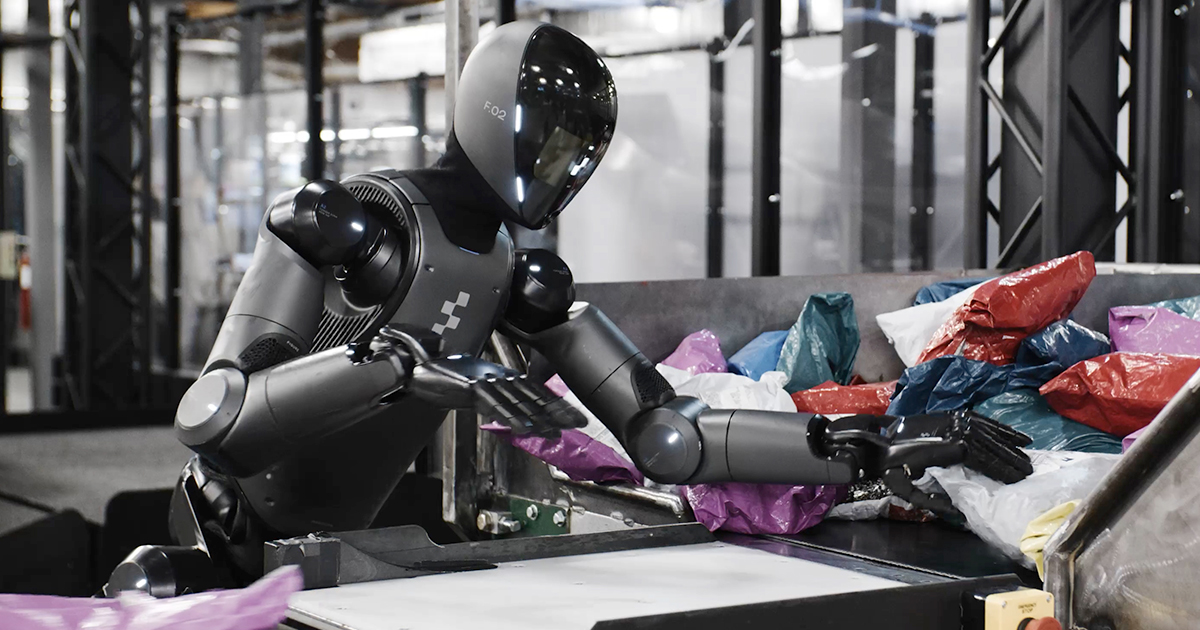
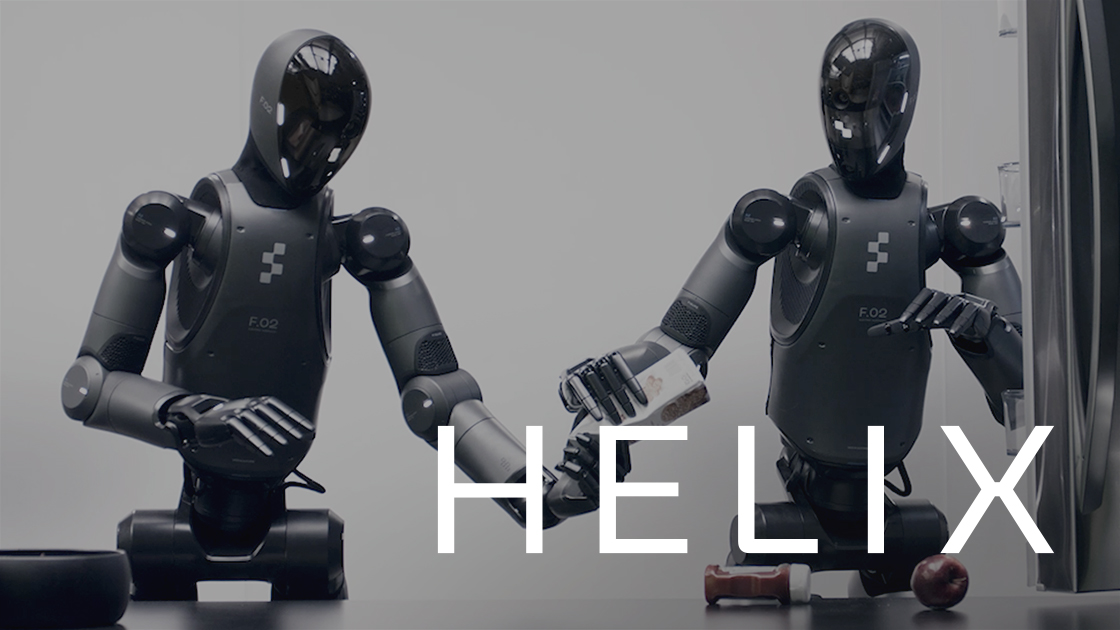
Helix, a generalist Vision-Language-Action (VLA) model, has been introduced, enabling full-upper-body control, multi-robot collaboration, and zero-shot object manipulation. It utilizes a 'System 1, System 2' architecture with a VLM for scene understanding and a reactive visuomotor policy for high-rate control. The model is trained end-to-end on a multi-robot dataset and deploys efficiently on embedded GPUs for commercial readiness. Helix can now pick up virtually any small household object based on implicit stereo vision, multi-scale visual representation, learned visual proprioception for cross-robot transfer, and a 'Sport Mode' for test-time speed up. It has been applied to real-world logistics package manipulation and triaging, demonstrating improved precision, adaptability, and speed.

13 posts

Timeline

20252026

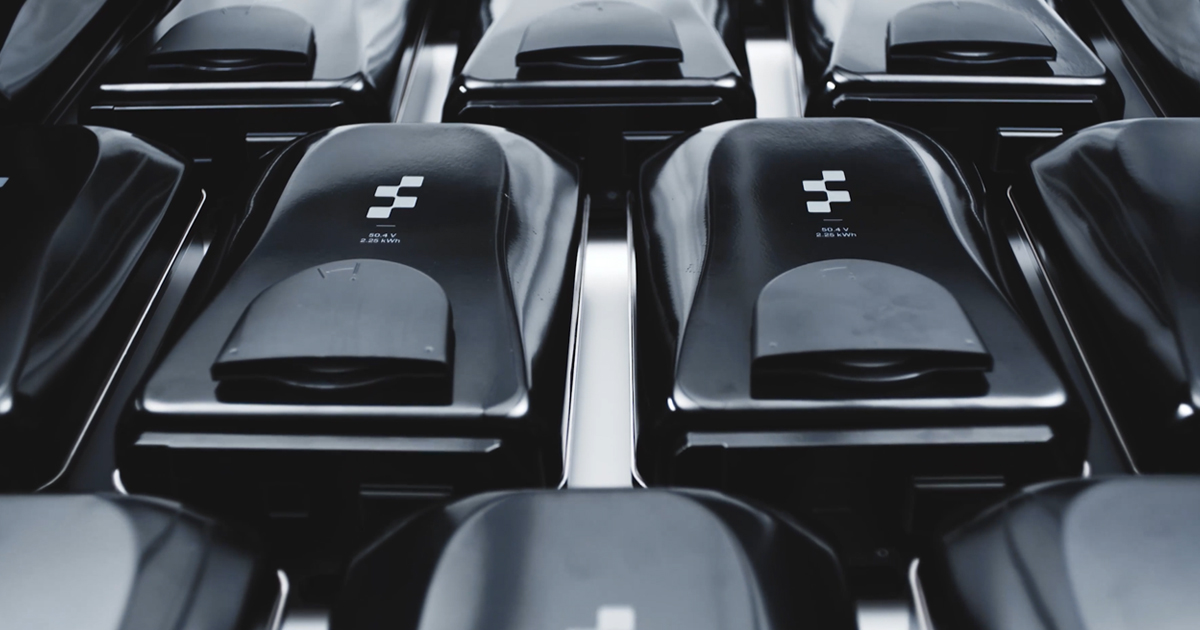
F.03 Battery System

Cooling

The F.03 battery represents a significant advancement in humanoid robot energy systems, featuring a 2.3 kWh capacity for 5 hours of runtime, improved energy density, 2 kW fast charging with active cooling, a custom Battery Management System (BMS), and a multi-layer safety architecture targeting UN & UL certification. It incorporates multi-function components, structural battery design, active cooling integrated into die casting, and an anti-propagation/flame containment system. The battery is designed for high-volume production at BotQ, utilizing die casting, stamping, and injection molding. It is the first humanoid robot battery to be certified to UN38.3 and UL2271 standards.

1 post

Timeline

20252026

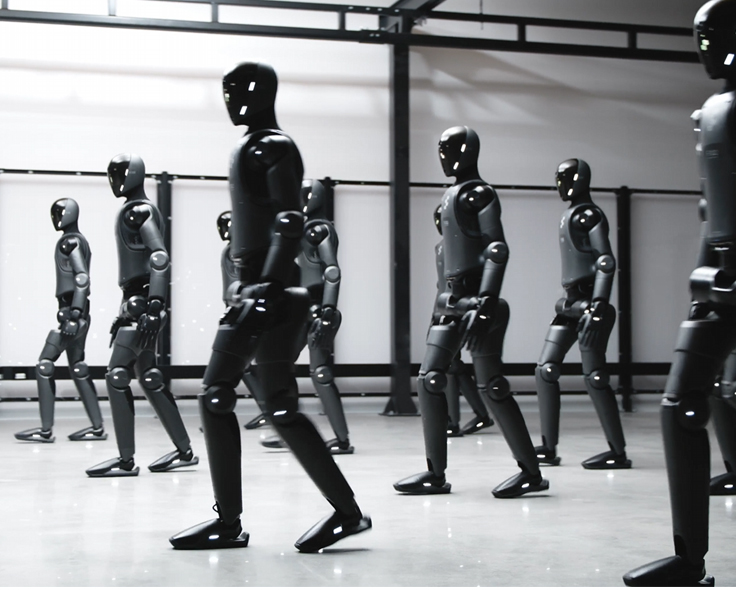
Humanoid Locomotion Control

Cooling

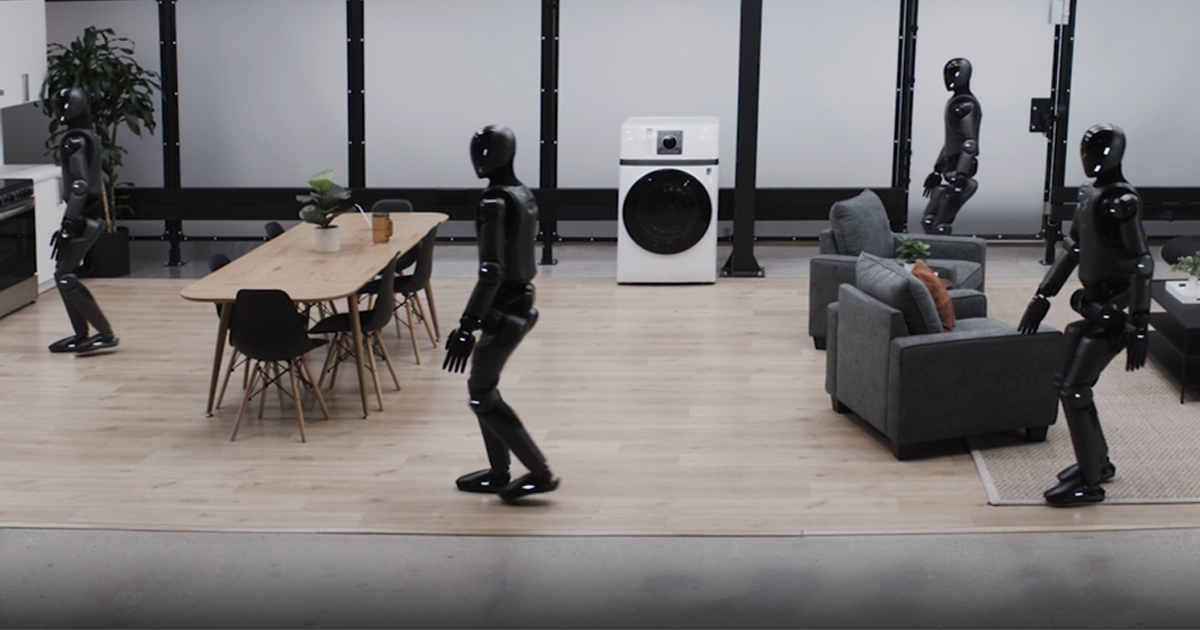
Figure AI has developed an end-to-end neural network for humanoid locomotion, trained using reinforcement learning (RL) in a high-fidelity physics simulator. This system enables Figure 02 robots to walk naturally, mimicking human gaits with heel-strikes, toe-offs, and synchronized arm swings. The approach leverages domain randomization and kHz-rate torque feedback for robust sim-to-real transfer, allowing policies to generalize zero-shot to real hardware across the entire robot fleet without additional fine-tuning. This facilitates rapid engineering iteration and scalable commercial operations.

1 post

Timeline

20252026

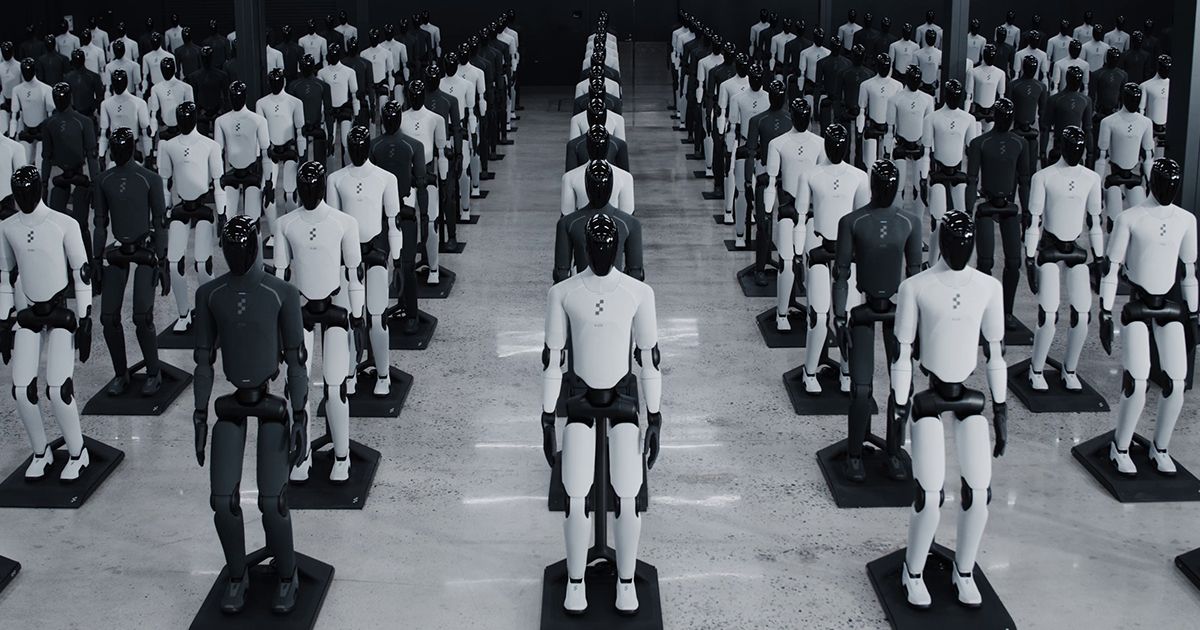
High-Volume Robot Manufacturing

Cooling

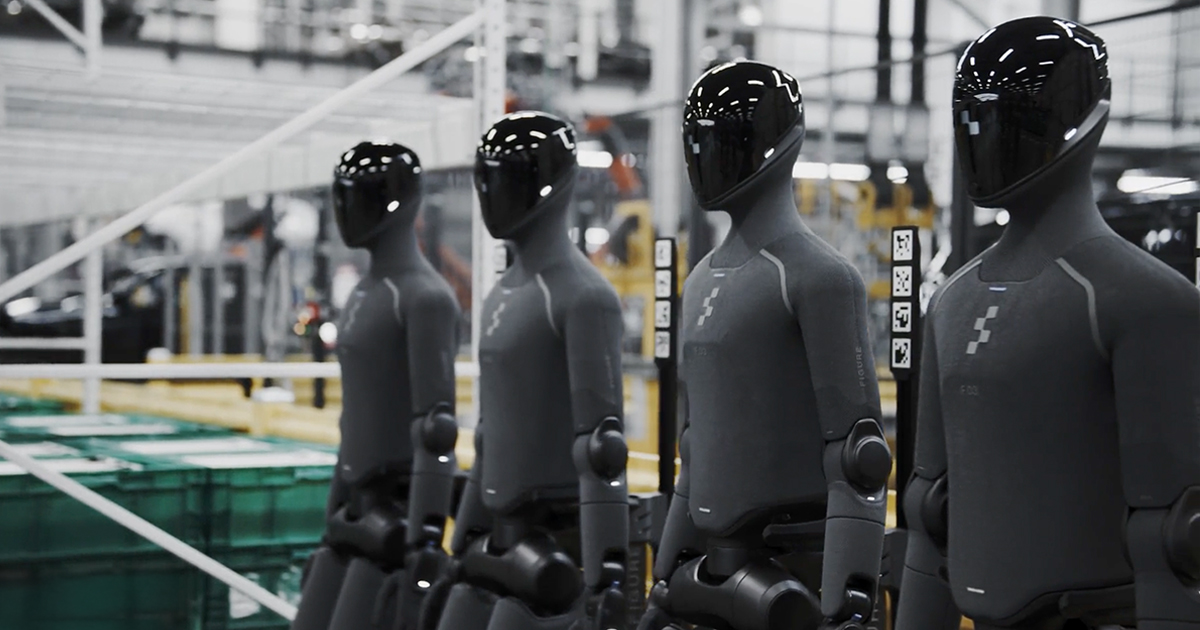
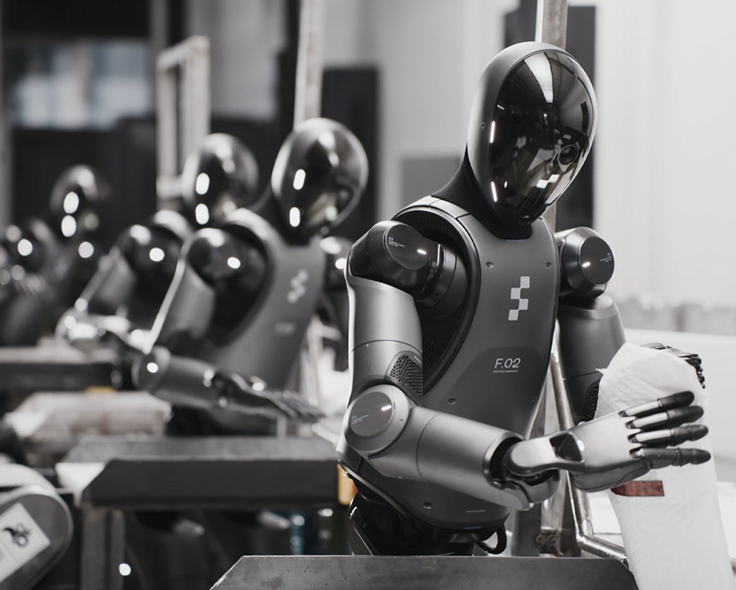
Figure AI has established BotQ, a high-volume manufacturing facility capable of producing up to 12,000 humanoid robots annually. This initiative involves vertically integrated manufacturing, the development of supporting software infrastructure (MES, PLM, ERP, WMS), and the utilization of robots to build other robots. The process redesign includes rethinking robot architecture for mass production, shifting from CNC machining to toled processes like injection molding and diecasting, and building a robust supply chain for custom components. A dedicated reliability team is in place to conduct lifecycle tests and inform design improvements. The manufacturing team focuses on optimizing assembly lines, selecting automation for quality and speed, and providing feedback for production cycle time reduction. The MES system acts as the backbone, integrating production aspects in real-time and monitoring process flow, genealogy, and test data.

1 post

Timeline

20252026