Blogs
Harvey logo

Harvey

Engineering blog · harvey.ai/en-US/blog

124posts0this week0watchers

Feature trails

25
Feature trailActive

Contract Negotiation Software

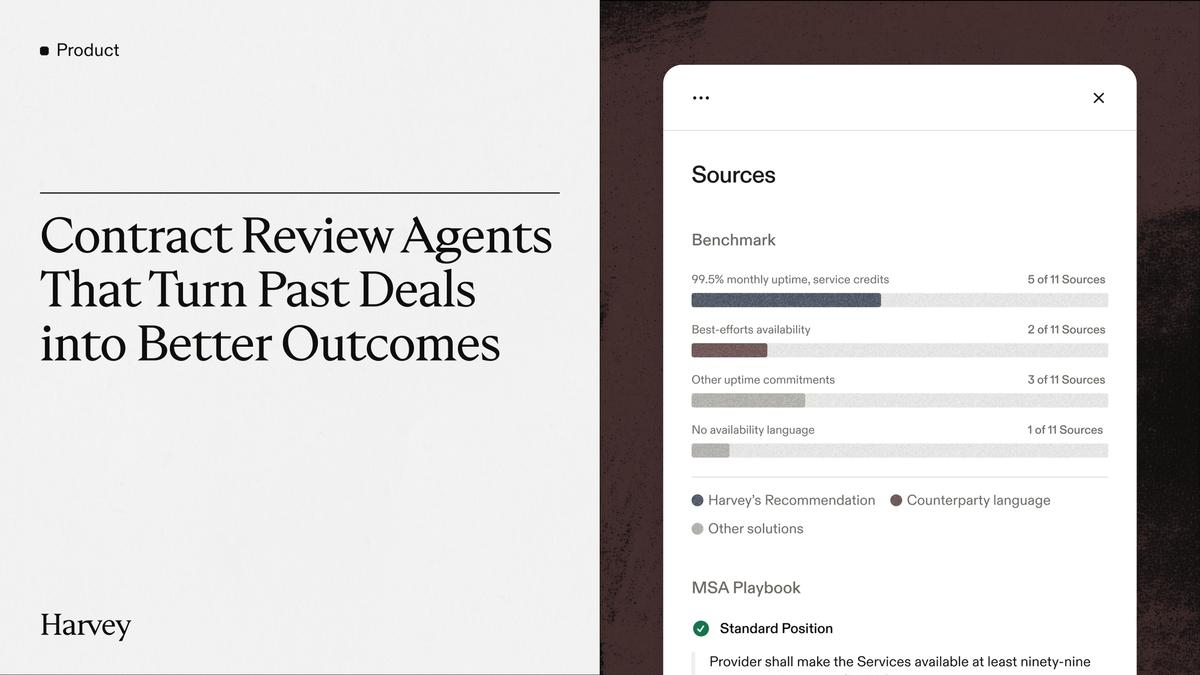
Harvey's Contract Negotiation Software continues to evolve, focusing on automating the redlining process through a structured six-step workflow. This involves codifying firm-specific negotiating positions, classifying contracts, deploying AI for first-pass review, implementing risk-tiered routing, reserving human review for complex issues, and iterating based on feedback. The emphasis is on workflow redesign rather than just technology purchase, aiming to improve efficiency and lawyer allocation. This post details the importance of comparing against organizational standards and the need for verifiable, grounded comparisons within existing workflows like Word and document management systems.

22 posts · 2025–2026

Timeline

20252026
Feature trailActive

Playbook Review Multi-Agent System

Harvey's platform continues to evolve its AI agent capabilities, shifting the paradigm from prompt-based assistance to task-oriented execution. The system now empowers agents to autonomously plan, research, execute, and deliver finished work products, with lawyers focusing on goal setting and final review. This evolution spans transactional work, litigation, compliance, and in-house operations, aiming to increase leverage by automating repeatable, high-volume tasks. The platform now integrates m

11 posts · 2024–2026

Timeline

20242026
Feature trailActive

Review Algorithm

Harvey's Review Algorithm continues to evolve, focusing on enhancing AI evaluation through a multi-pronged approach. This includes leveraging domain expert feedback for curated retrieval datasets and side-by-side LLM comparisons, alongside developing automated evaluation pipelines for continuous monitoring and regression testing. The system now incorporates advanced metrics like precision, recall, and NDCG for retrieval, and Likert-scale ratings and A/B preference tests for answer quality. This post details the application of these evolving AI capabilities within the legal discovery process, specifically focusing on relevance determination and privilege review, and outlines the critical elements of a defensible AI discovery protocol. It highlights the tradeoffs between traditional TAR and generative AI review, emphasizing the importance of rigorous validation methodologies, audit trails, and transparent meet-and-confer disclosures for court acceptance.

21 posts · 2024–2026

Timeline

20242026
Feature trailActive

AML AI Detection Systems

Harvey's platform continues to evolve its AI agent capabilities, shifting the paradigm from prompt-based assistance to task-oriented execution. The system now empowers agents to autonomously plan, research, execute, and deliver finished work products, with lawyers focusing on goal setting and final review. This evolution spans transactional work, litigation, compliance, and in-house operations, aiming to increase leverage by automating repeatable, high-volume tasks. The platform now integrates custom models and LLM systems, such as the Tax AI Assistant developed in alliance with PwC and OpenAI, which combines curated tax datasets with Harvey's LLM expertise and is fine-tuned with feedback from PwC's tax experts. This system answers complex tax queries with accurate citations to source material, powered by in-house models and semantic search technology, and further specialized on tax datasets and expert-annotated examples. Human-guided model training is used to expand specialized models to more tax jurisdictions.

25 posts · 2024–2026

Timeline

20242026
Feature trailActive

Document Processing Scalability

Harvey's document processing capabilities have been significantly scaled to handle tens of millions of documents weekly, a 26x increase from the previous year. This was achieved by re-architecting the pipeline into distinct, independently scalable systems for extraction, chunking/embedding, and indexing. Key improvements include the adoption of a new Job Framework for durable and observable background work, the introduction of Unified Document Format (UDF) to manage intermediate formats efficiently, and enhanced AI models for classification and risk extraction. The platform now supports AI-powered due diligence workflows, including document classification, contract analysis, cross-document pattern recognition, and synthesis/reporting, enabling faster and more consistent analysis of large document sets in M&A and other transactions.

19 posts · 2025–2026

Timeline

20252026
Feature trailActive

Vault Upload Performance and Reliability

Harvey's Vault system allows deal teams to process large volumes of documents, perform bulk extractions of key provisions (e.g., change-of-control, assignment restrictions, indemnity caps), and surface these results in structured review tables linked to source documents. This significantly reduces review time and enables reviewers to move directly to findings. The system is designed for enterprise readiness, with integrations and a focus on traceability and auditability. The capability is further enhanced with increased file limits per project (10,000 documents), one-click workflows for common document types with high recall scores (e.g., Merger Agreements at 99.66%), customizable review tables with proactive data type suggestions, and integration into Assistant for seamless querying of Vault documents. Firms can also create and share custom extraction workflows. The system continuously works with the latest embedding and storage systems to improve document processing time and limits.

7 posts · 2024–2026

Timeline

20242026
Feature trailActive

AI Demand Letter Generation

Harvey's AI Demand Letter Generation capability has been enhanced with specialized modes (Assist and Draft) tailored to different use-cases, iterative functionality for refining and expanding on initial responses, and faster processing, higher-quality outputs, and enhanced document processing capabilities. Assist Mode is optimized for summaries, analyses, and searches, while Draft Mode is purpose-built for generating and revising detailed long-form content. Iteration is supported through follow-up questions and revisions, with improved memory for long prompts and large documents. Performance improvements include a 60% reduction in hallucinations, a 23% improvement in cited source accuracy, an 80% improvement in time to first word, and better support for Excel files and multiple languages.

16 posts · 2024–2026

Timeline

20242026
Feature trailActive

Policy Gap Analysis Automation

Harvey's Policy Gap Analysis capability has been enhanced to automate the process of comparing organizational policies against regulatory benchmarks. This includes identifying external, internal-consistency, control, and operational gaps. The system leverages AI to synthesize benchmarks into discrete obligations, compare entire policy estates, and check for evidence of operational adherence. The analysis can be rerun continuously as benchmarks or policy estates change, transforming it from a per-project effort to an ongoing, automated process. This iteration focuses on improving the AI's ability to interpret regulatory change, map obligations to existing policies and contracts, and draft policy updates, while maintaining attorney oversight and providing an audit-ready record.

1 post · 2026

Timeline

Feature trailActive

US Case Law Knowledge Source

Harvey's platform continues to evolve its AI-powered legal research capabilities, focusing on the integration and reasoning over authoritative legal sources. The system leverages advanced AI to move beyond traditional keyword-based searches, providing synthesized, reasoned answers grounded in primary and secondary legal content. This evolution emphasizes source transparency, verification, and the ability to handle complex legal questions efficiently. The platform aims to complement, rather than replace, traditional legal research methods by providing direct access to millions of US case law opinions, enabling faster research, analysis, and drafting within a single platform. It integrates with existing tools like the Word Add-In and Agent Builder for repeatable workflows.

8 posts · 2024–2026

Timeline

20242026
Feature trailActive

Lease Agreement Analysis

Harvey's Lease Agreement Analysis capability allows legal teams to extract and compare key terms across multiple lease agreements, generating structured, side-by-side summaries. This includes base rent, rent adjustments, term, extension options, use of premises, assignment rights, indemnity, and events of default. The system organizes extracted terms into a structured table, linking each term to its source section in the lease. Outputs can be exported to Word or Excel, enabling proactive and efficient analysis. The capability is further enhanced by the ability to compare extracted terms against client playbooks, identifying deviations and surfacing issues that require attention. This transforms lease review from a static summary process into a dynamic, queryable legal dataset that actively supports decision-making and accelerates deal closing by organizing obligations, deadlines, and responsible parties into structured checklists.

1 post · 2026

Timeline

Feature trailActive

AI Prompt Engineering Framework

Harvey's platform continues to evolve its AI agent capabilities, shifting the paradigm from prompt-based assistance to task-oriented execution. The system now empowers agents to autonomously plan, research, execute, and deliver finished work products, with lawyers focusing on goal setting and final review. This evolution spans transactional work, litigation, compliance, and in-house operations, aiming to increase leverage by automating repeatable, high-volume tasks. The platform now integrates m

8 posts · 2025–2026

Timeline

20252026
Feature trailActive

Connector Library

Harvey's Connector Library integrates with various legal tools (Google Drive, Gmail, iManage, NetDocuments, PitchBook, Intralinks, Datasite, Box) via native APIs and MCP to centralize data and knowledge within Harvey workflows. This allows users to pull and update documents, data, and institutional knowledge directly within Harvey, reducing context fragmentation and manual stitching. The system emphasizes security with rigorous reviews and granular admin controls. MCP connectors enable faster in

9 posts · 2025–2026

Timeline

20252026
Feature trailActive

Cloud Agent Infrastructure

Harvey's Cloud Agent Infrastructure, embodied by Spectre, has evolved into a collaborative cloud agent platform. Spectre provides a durable, isolated, and collaborative environment for executing agent runs, moving beyond local coding agents. It integrates with existing systems like GitHub, Datadoc, and Linear, offering reviewable artifacts and enabling cross-functional collaboration. Key technical primitives include durable run records, ephemeral workers, sandboxed execution, a robust harness for orchestrating agent runs, and a centralized model inference client library for managing AI model performance reliably across millions of daily requests. This library encapsulates multiple features and relies on a distributed key-value store, an in-house proxy service, and a custom-built model health tracker to enable scalable, fault-tolerant interaction with AI model inference servers and maximize their availability. The system implements active load balancing and monitoring of LLM resources across all environments to optimize utilization and maintain consistent performance and a reliable user experience. A centralized quota & rate limiting system using a Redis-backed approximate sliding-window token bucket algorithm prevents server degradation and handles bursty traffic. A thin proxy forwards model requests made outside of the Kubernetes cluster back through the cluster to the model servers, compatible with the OpenAI API spec, adding security and instrumentation. Granular observability and strict burn rate alerts around SLAs ensure rapid response to model-related incidents. Detailed accounting of every prompt and output token consumed is collected via an in-house telemetry events pipeline and exported to Snowflake.

10 posts · 2025–2026

Timeline

20252026
Feature trailActive

Multi-Model AI Platform

Harvey's platform continues to evolve its AI agent capabilities, shifting the paradigm from prompt-based assistance to task-oriented execution. The system now empowers agents to autonomously plan, research, execute, and deliver finished work products, with lawyers focusing on goal setting and final review. This evolution spans transactional work, litigation, compliance, and in-house operations, aiming to increase leverage by automating repeatable, high-volume tasks. The platform now integrates multiple leading foundation models (Anthropic, Google, OpenAI) and provides users with auto-routing to the best model for a given task, or the option to select a specific model. This multi-model approach allows for optimization of individual model strengths for specific sub-tasks within complex agents and workflows. The platform also emphasizes transparent evaluation through benchmarks like BigLaw Bench and expert reviews to guide model selection and demonstrate system performance.

9 posts · 2025–2026

Timeline

20252026
Feature trailActive

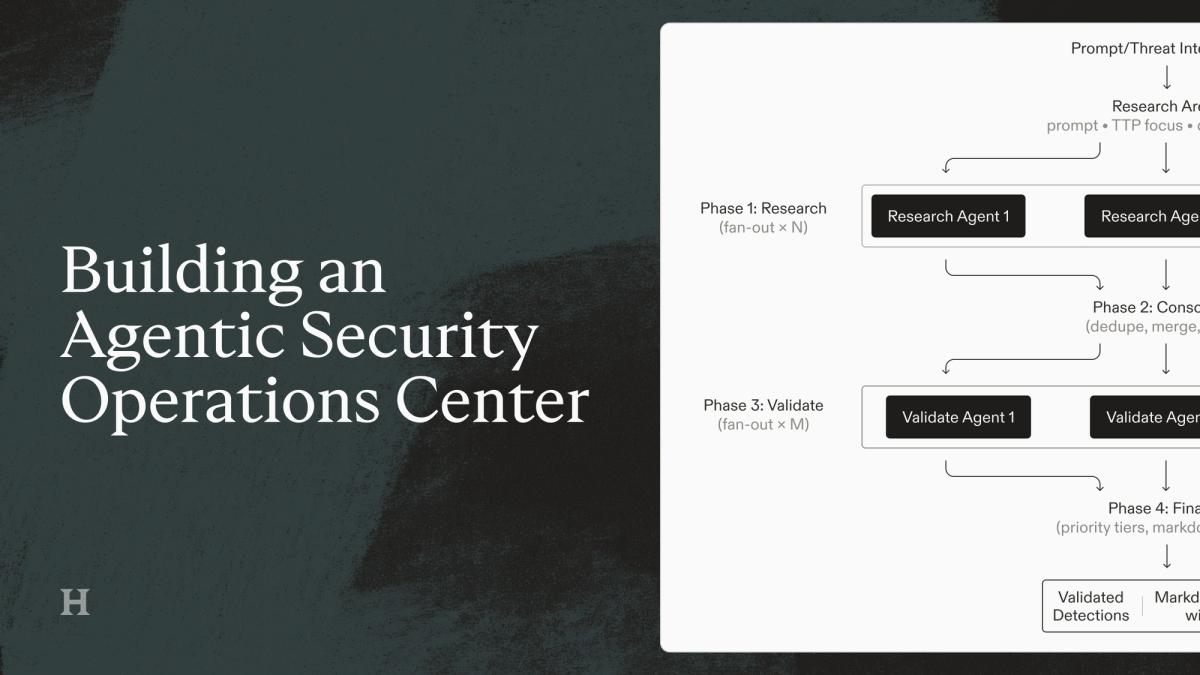
Agentic Security Operations Center

Harvey's Agentic Security Operations Center (SOC) is a persistent, agent-native system built around a world model of Harvey's threat surface. It continuously hunts, triages, investigates, authors detections, and learns from interactions, all gated by human review on production changes. The data layer is optimized with ClickHouse for high-volume telemetry ingestion and analysis, enabling faster agent iteration. The SOC operates in a round-the-clock model with daily reports, hourly alert triage, and a daily threat-watch workflow. This system has significantly increased detection coverage while decreasing alert volume through automated tuning and deep-dive investigations.

3 posts · 2026

Timeline

Feature trailActive

Security by Design Program

Harvey's security posture continues to evolve, emphasizing a 'Provably Secure' internal mantra. This involves deep engineering into access control, encryption, and data lifecycle management. Key advancements include zero data access principles enforced through RBAC and network segmentation, Infrastructure as Code (IaC) for reproducible and auditable environments, and robust encryption (AES-256) for data in transit and at rest. The platform supports Bring Your Own Key (BYOK) for enhanced customer control and has implemented hardware tokens for FIDO2-based MFA to protect against phishing. The security team represents 10-20% of the engineering organization and focuses on proactive, offensive-minded defense, going beyond compliance to address AI-specific risks like prompt injection and sensitive information disclosure by ensuring customer data is used only at inference time and not for model training.

1 post · 2025–2026

Timeline

20252026
Feature trailActive

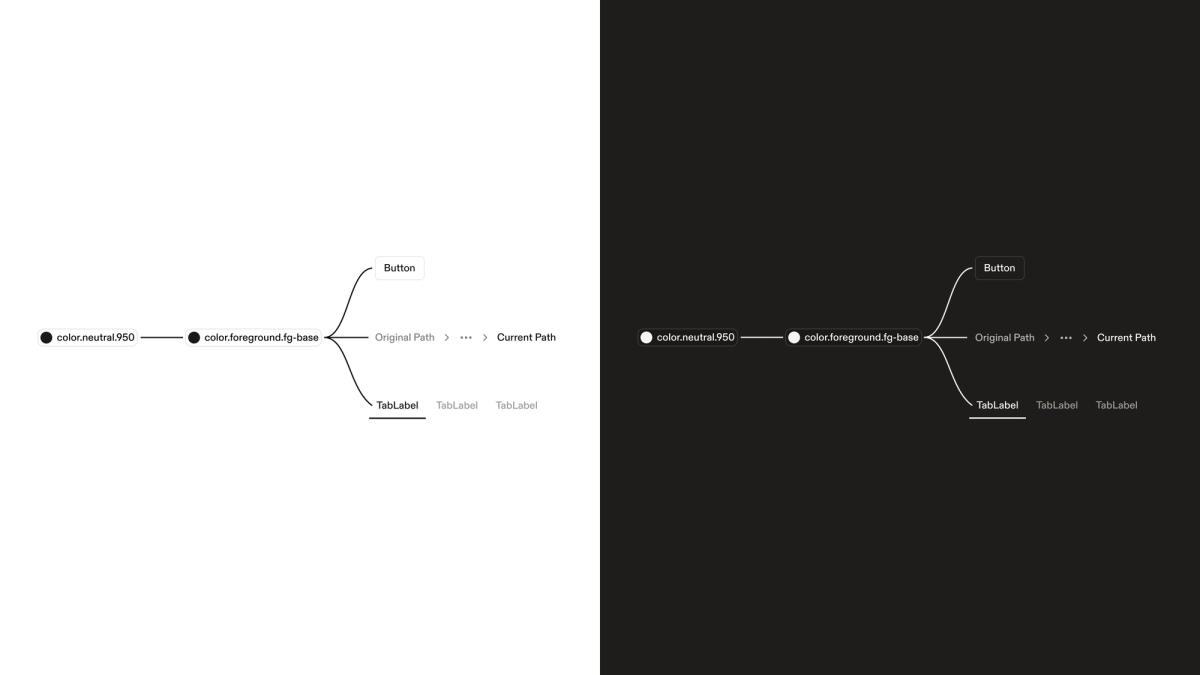
Design System Rebuild

Harvey's design system has been rebuilt from the ground up to address product complexity and team scaling. The new system establishes a semantic token architecture, automates token maintenance via the Figma API, and provides a structured approach to component rebuilding and migration. This aims to improve consistency, quality, and development velocity across the organization, with future investments in adapting components for platform-specific constraints (mobile, Office add-ins) and tighter bra

1 post · 2026

Timeline

Feature trailActive

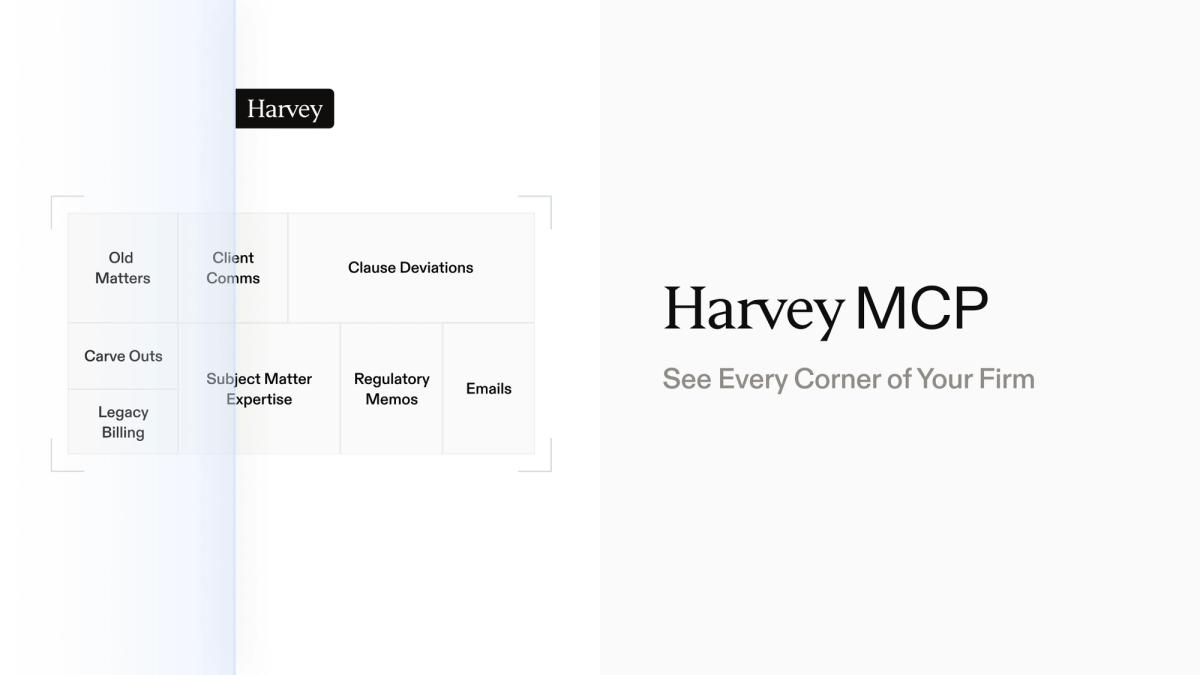
Model Context Protocol (MCP) Integration

Harvey is adopting the Model Context Protocol (MCP) to enable more flexible and standardized connections between AI systems and external data sources and tools. This allows Harvey to operate as both an MCP client, orchestrating tool calls across external services, and an MCP server, making its capabilities accessible to other systems. This enhances customization, control, and integration with third-party and internal legal tools, while maintaining centralized governance. The platform is also integrating with various legal tools via native APIs and MCP to centralize data and knowledge within Harvey workflows, reducing context fragmentation and manual stitching. The system emphasizes security with rigorous reviews and granular admin controls. MCP connectors enable faster integration.

2 posts · 2025

Timeline

20252026
Feature trailActive

Admin Controls and Identity Management

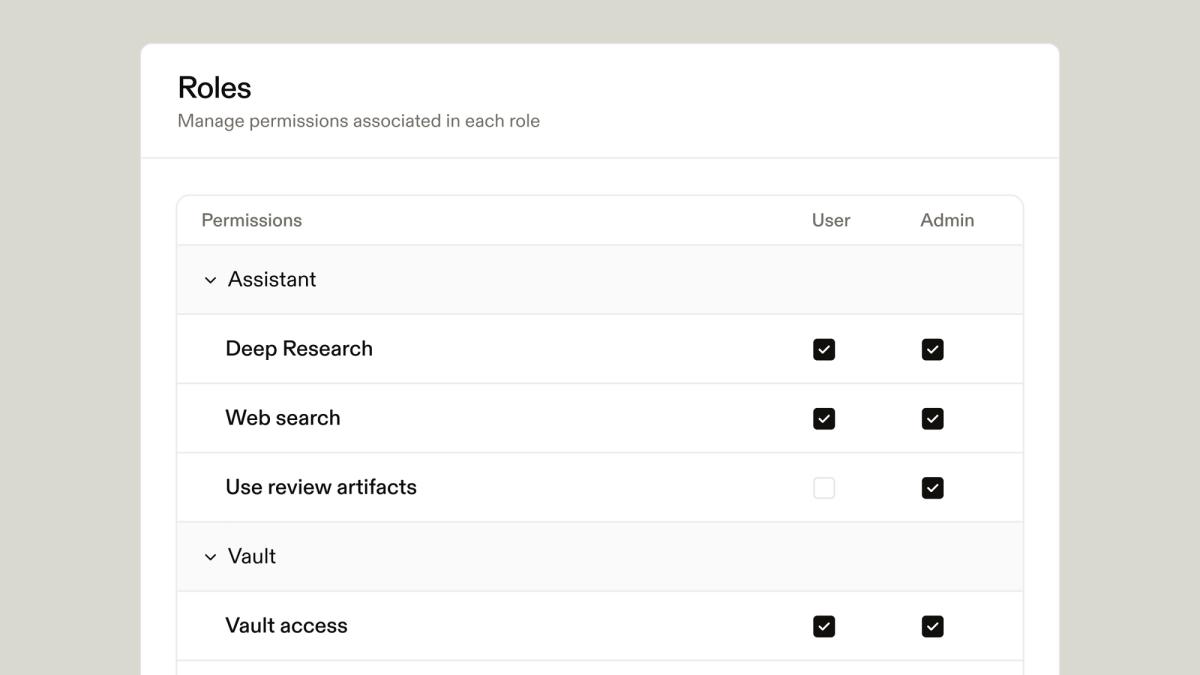
The platform now offers enhanced admin controls for feature management, user grouping, and identity provider synchronization. This includes a centralized settings experience for enabling features and controlling user/role access, dynamic user groups that mirror organizational structures for instant permission configuration, and automated user provisioning and group syncing via SCIM support for identity providers like Entra AD and Duo. These features aim to simplify governance, improve security and maintain enterprise-grade security with ease.

1 post · 2025

Timeline

20252026
Feature trailCooling

Document-Wide Edits in Word Add-In

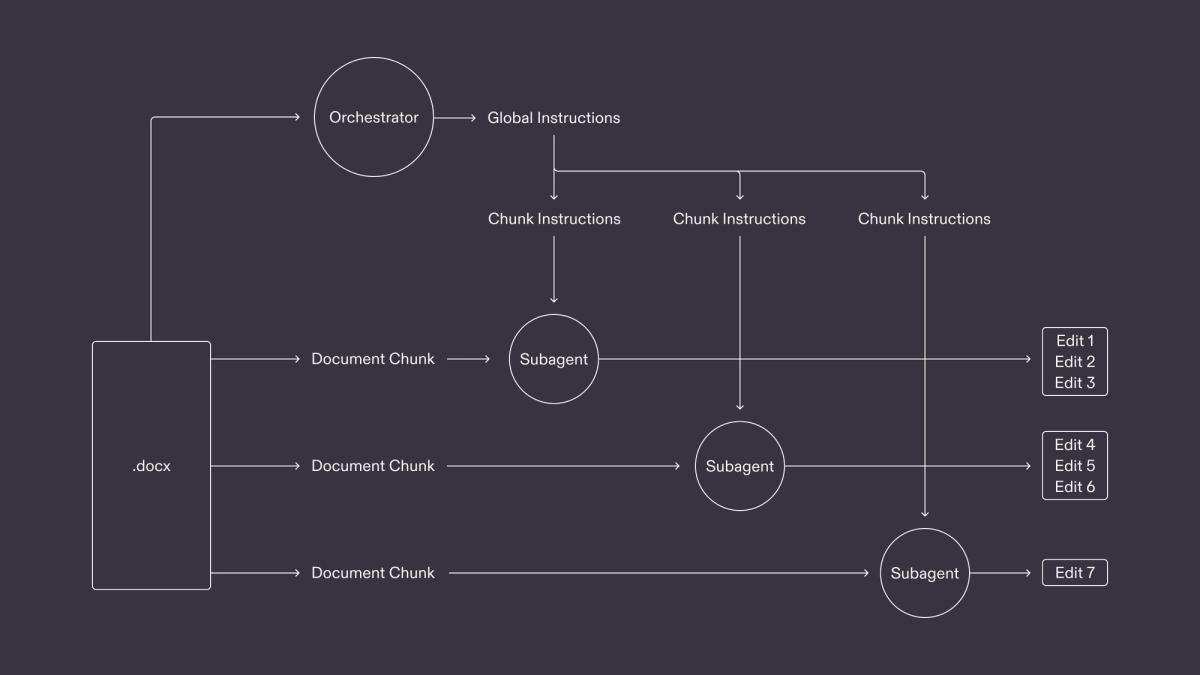
Harvey's Word Add-In now supports document-wide edits, enabling users to apply single queries across 100+ page documents for tasks like conforming agreements to checklists, ensuring consistent term application, converting drafts to templates, revising documents with external content, shortening lengthy texts, repurposing documents for different contexts, switching drafting postures, and performing large-scale proofreading. This is achieved through an orchestrator-subagent architecture that addresses OOXML complexity and mitigates LLM 'lost in the middle' effects by decomposing requests into targeted tasks for localized execution, while maintaining global consistency. The system also incorporates a robust offline evaluation framework combining automated metrics and expert review to accelerate iteration and ensure quality.

1 post · 2025

Timeline

20252026
Feature trailCooling

Mobile Apps

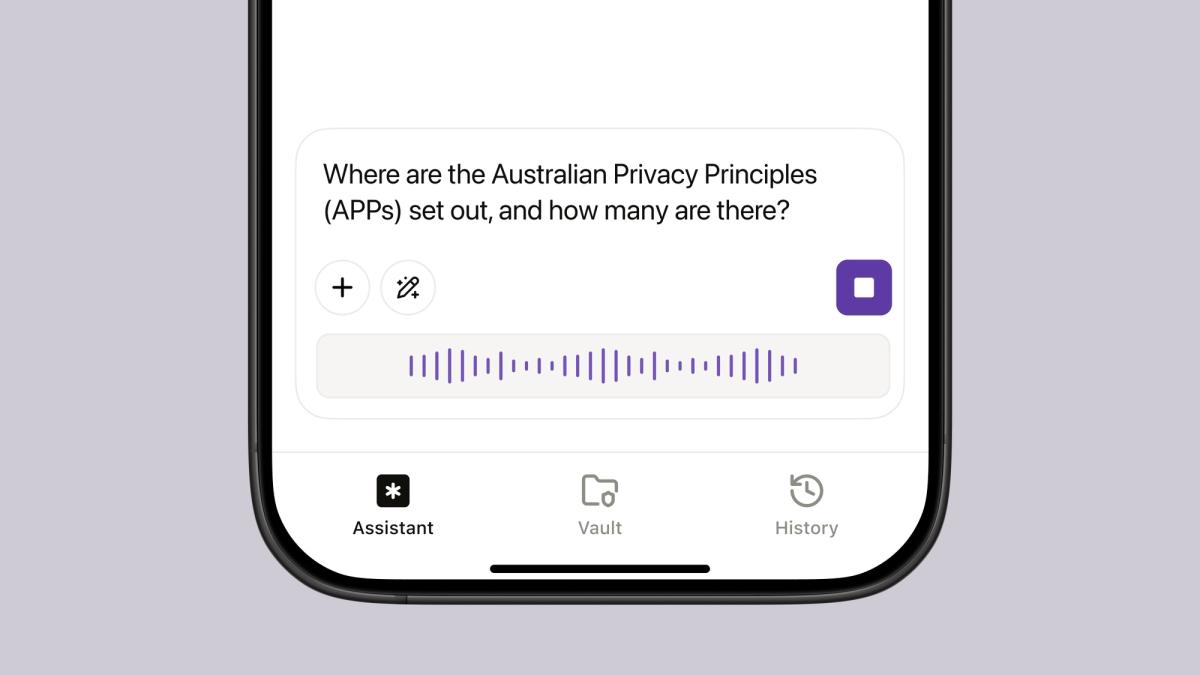
Harvey is extending its AI-powered legal work capabilities to mobile platforms with the launch of new iOS and Android apps. These apps will allow users to prompt Assistant by voice, scan and upload files directly from their phones, and access core Harvey functionality like the Assistant, 'Improve' button, and Vault projects. This initiative aims to provide seamless AI assistance across devices and contexts, meeting legal professionals wherever they work. Voice prompting is also being introduced to the web app.

2 posts · 2025

Timeline

20252026
Feature trailCooling

Retrieval System Benchmarking

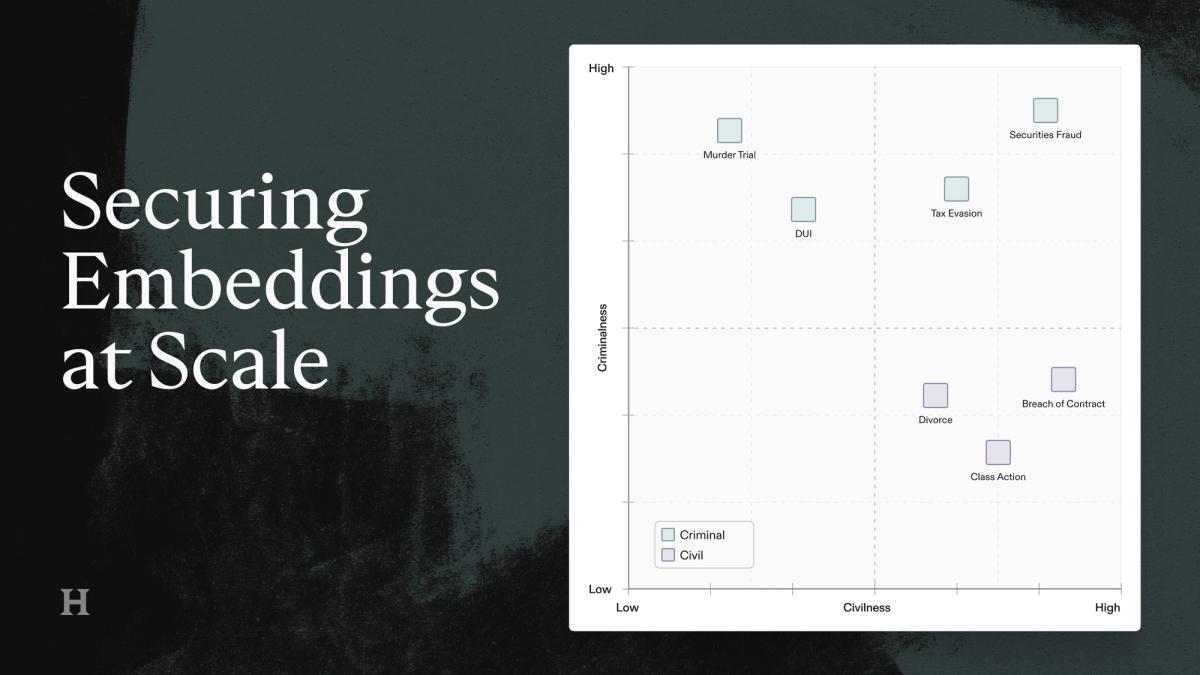
Harvey's retrieval system has been benchmarked against common embedding-based and reranking methods using the BigLaw Bench Retrieval dataset. The system demonstrates superior performance, identifying up to 30% more relevant content across diverse legal document types, including contracts and research databases. This is attributed to the incorporation of metadata, task-specific features like recency, and LLM-based reasoning for relevancy judgments. Future work will extend benchmarks to more legal document types and explore custom embedding models. This post details a partnership with Voyage AI to fine-tune an embedding model on US case law, reducing irrelevant material by nearly 25% compared to off-the-shelf models and achieving this with 1/3 of the embedding dimensionality, leading to storage and latency benefits. This custom model, voyage-law-2-harvey, is combined with other proprietary search methods to further improve retrieval accuracy.

2 posts · 2024–2025

Timeline

20242026