BlogsOpenAI Feature Trails

OpenAI logo

OpenAI Feature Trails

See how major capabilities shipped, upgraded, and evolved across OpenAI's engineering blog.

Feature trails

4

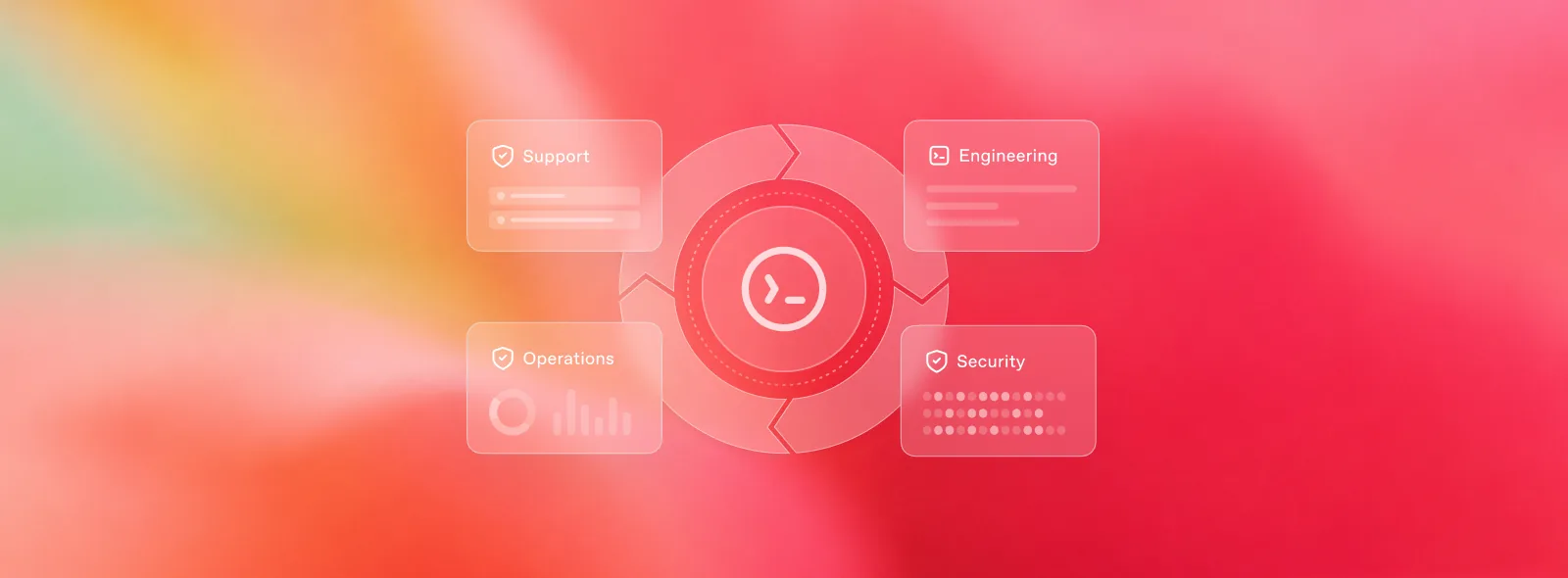
Agentic Execution Environment

Active

This feature thread tracks the evolution of OpenAI's capabilities for building and running long-horizon, knowledge-work-oriented agents. Initially, the focus was on enabling agents to perform complex tasks beyond single-turn interactions. This involved introducing core primitives like Skills for reusable procedures, an upgraded Shell tool for execution within containerized environments (both hosted and local), and server-side Compaction to manage context windows for extended runs. The introduction of the ChatGPT mobile app's 'Remote' feature enhances this by providing a mobile control plane for starting, directing, reviewing, and organizing work running on development machines. New capabilities include remote host connections, worktrees, goals, side chats, inline code review, queued and steering prompts, attachments, skills and plugins, archived chats, and security controls, enabling serious engineering work from a mobile device.

15 posts

Timeline

20252026

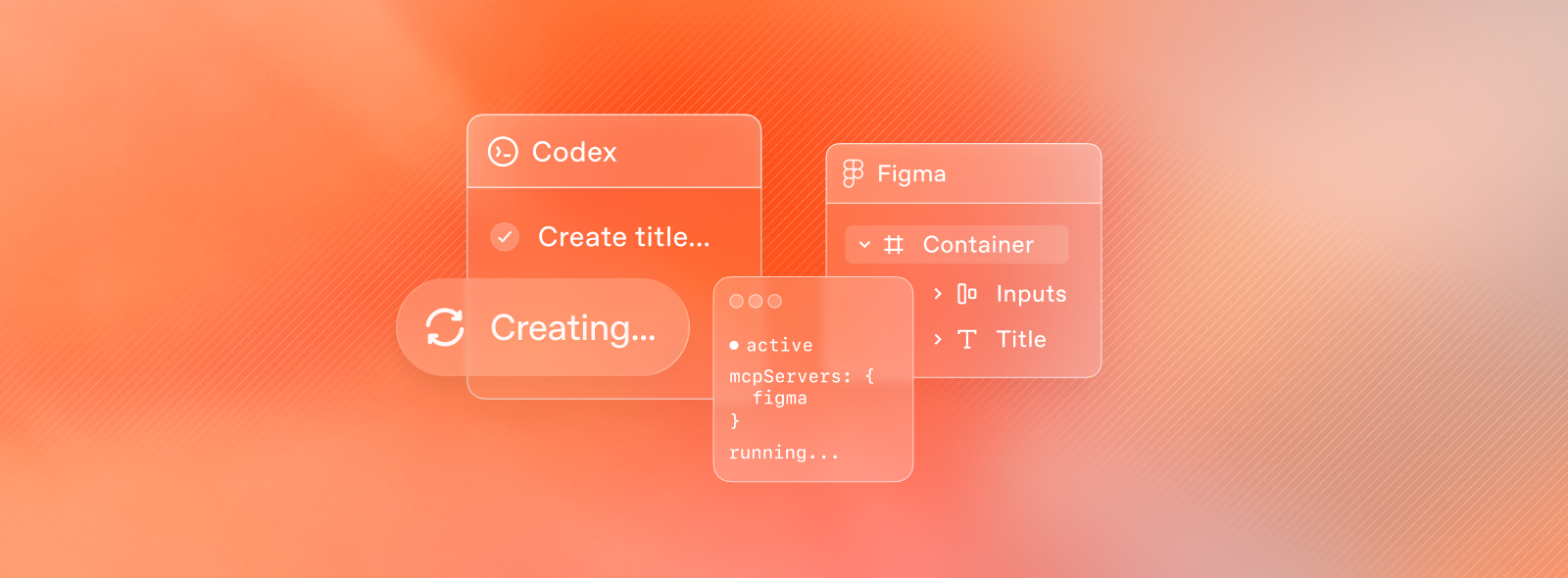
AI-Assisted Content Generation and Documentation

Active

This feature thread tracks the evolution of OpenAI's capabilities for leveraging AI models to assist in the creation, refinement, and translation of technical content and documentation. Initially, this focused on Codex for code generation and documentation. The introduction of ChatGPT Apps expands this by enabling developers to integrate their products as capabilities within ChatGPT conversations. These apps can 'Know' new data, 'Do' actions, or 'Show' information in richer UIs than plain text. This post introduces custom repository rules for Codex Code Review, allowing developers to define specific checks within `AGENTS.md` to catch recurring issues like API contract preservation, data privacy in logs, and cross-service dependencies. This enhances the ability of coding agents to perform code reviews by providing them with context-specific guidance, improving the efficiency and accuracy of the review process, especially in large codebases or when contributors are unfamiliar with repository history.

8 posts

Timeline

20252026

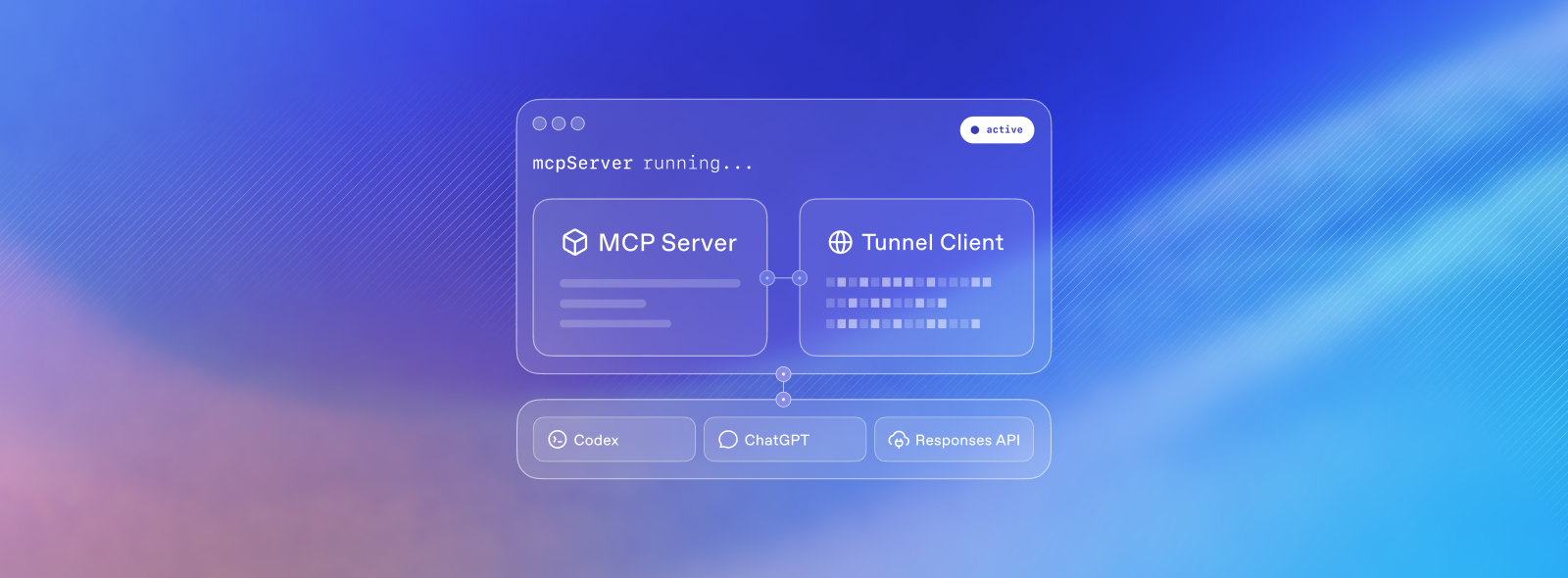
Secure MCP Tunnels

Active

This feature thread tracks the evolution of OpenAI's capabilities for securely connecting private MCP servers to hosted AI products. Initially, the focus was on enabling private servers to be reachable without exposing them to the public internet. This involved developing the Secure MCP Tunnel, which allows customers to run a client within their private environment that establishes an outbound HTTPS connection to OpenAI. This client receives MCP requests, forwards them to local servers, and returns responses through the same connection, preserving the server's private network boundary. The design emphasizes outbound-only connectivity, explicit destination configuration, compatibility with MCP streaming and notifications, and a customer-run, inspectable client. The system also extends to support REST APIs through a feature called Harpoon, enabling controlled access to private APIs without opening inbound network access.

1 post

Timeline

AI-Powered Voice and Audio Capabilities

Active

This feature thread tracks the evolution of OpenAI's AI-powered voice and audio capabilities, encompassing speech-to-text, text-to-speech, and real-time speech-to-speech interactions. Initially, the focus was on releasing core audio models and API features to enable developers to build new user experiences. Subsequent updates have concentrated on improving the reliability, quality, and efficiency of these models for production voice workflows, including reducing word-error rates, minimizing hallucinations, and enhancing developer ergonomics. The Realtime API has graduated to General Availability with significant improvements in model quality, reliability, and API shape, including features like image input, long context support, asynchronous function calling, EU data residency, and hosted prompts. New features include conversation idle timeouts, enhanced long conversation and context handling with configurable truncation strategies, asynchronous function calling with placeholder responses, and improved tracing capabilities. Sideband connections for SIP and WebRTC are now supported for secure server-side logic.

3 posts

Timeline

20252026