BlogsWeaviate Feature Trails

Weaviate logo

Weaviate Feature Trails

See how major capabilities shipped, upgraded, and evolved across Weaviate's engineering blog.

Feature trails

8

Search Mode Effort Tiers

Active

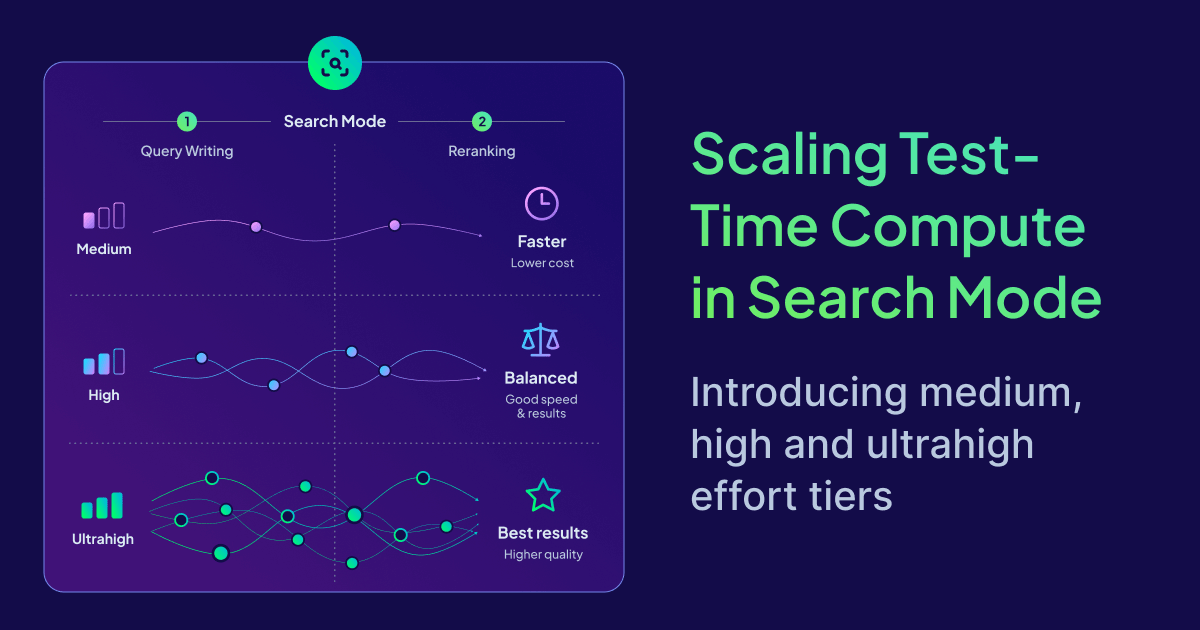
Introduces the 'effort' parameter for the Query Agent's Search Mode, allowing users to control the trade-off between compute, latency, and accuracy. Three tiers (medium, high, ultrahigh) scale computation at query writing and reranking stages. Benchmarks demonstrate consistent accuracy gains with higher effort across various retrieval tasks, particularly on reasoning-intensive problems.

1 post

Timeline

Semantic Search for Creative Assets

Active

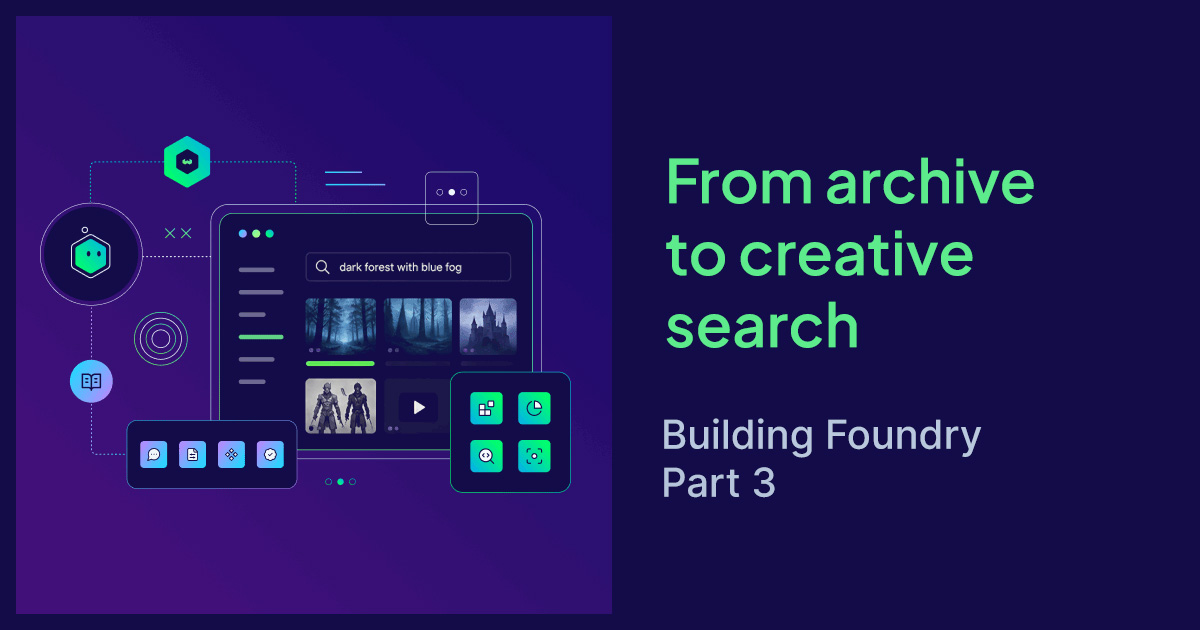
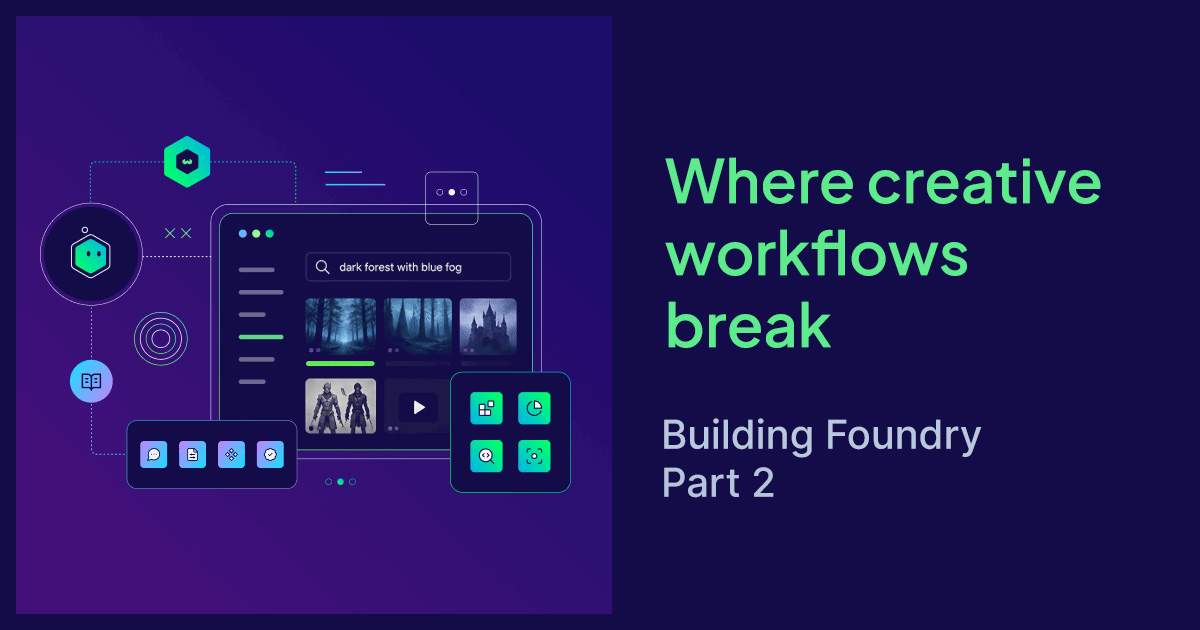
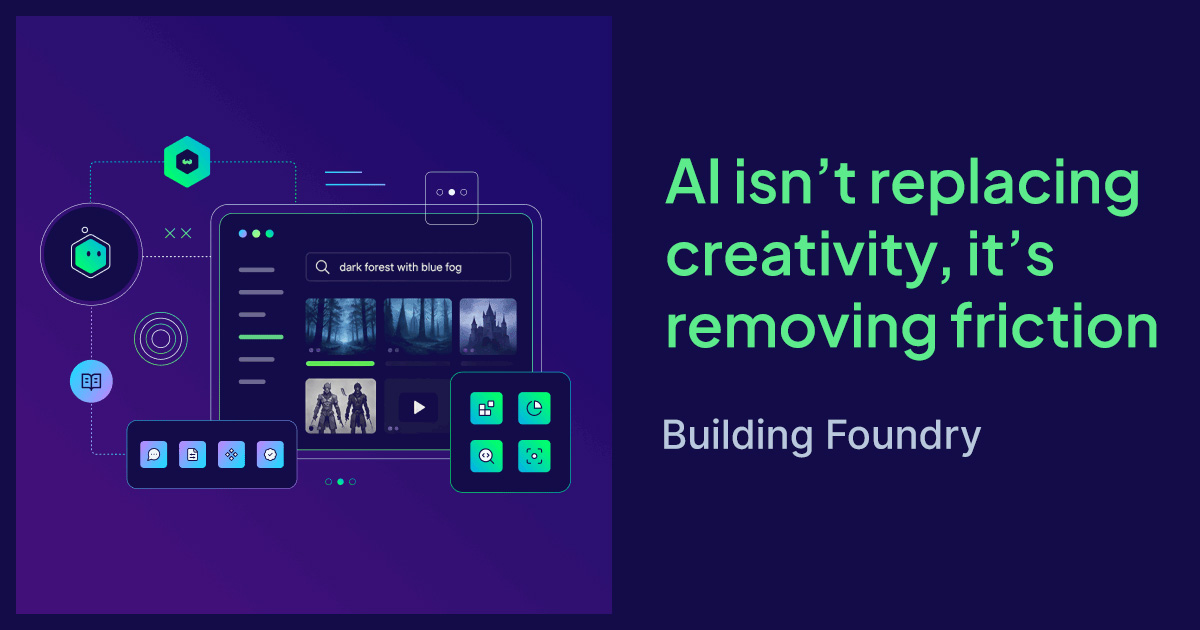
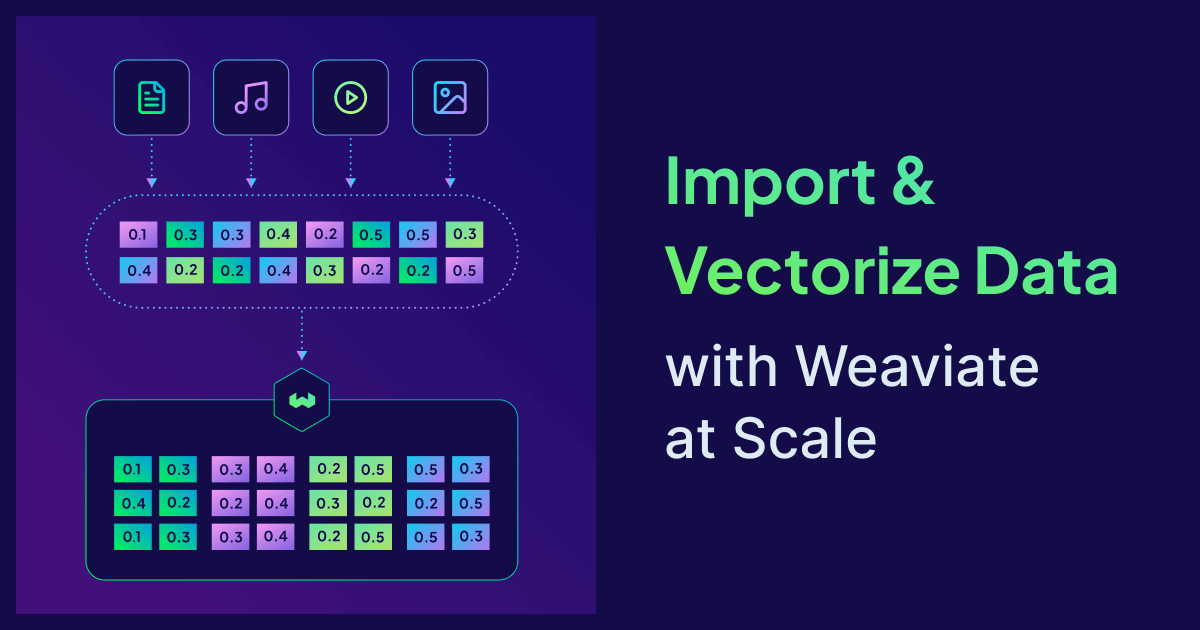
This post introduces the concept of applying semantic search and vector databases to creative asset management, addressing the challenges of retrieval and organization in creative workflows. It explains how AI can be used as a workflow layer to make existing work more accessible by converting media into vector embeddings for retrieval based on meaning rather than keywords. The post outlines the ingestion process and the role of vector databases in storing embeddings alongside original content. This post extends this to multimodal embeddings, enabling search across text, images, audio, and video by mapping them into a shared embedding space. It details the use of natively multimodal embedding models like Gemini Embedding 2 and discusses design decisions such as native vs. bridge-based embedding, chunking strategies for non-text data, and dimension size with Matryoshka Representation Learning (MRL). It provides practical examples of building multimodal systems using Weaviate, Gemini Embedding 2, and Gemini 3 Flash for searching audio without a transcript, searching images with text queries, and performing multimodal RAG with video.

4 posts

Timeline

Query Profiling

Active

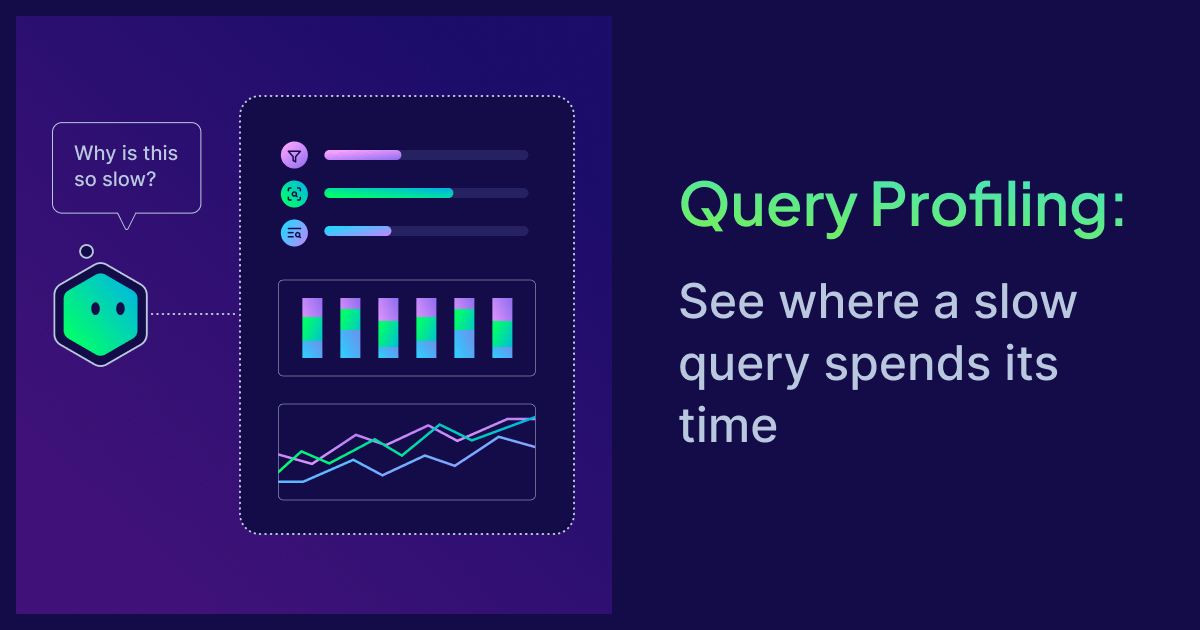
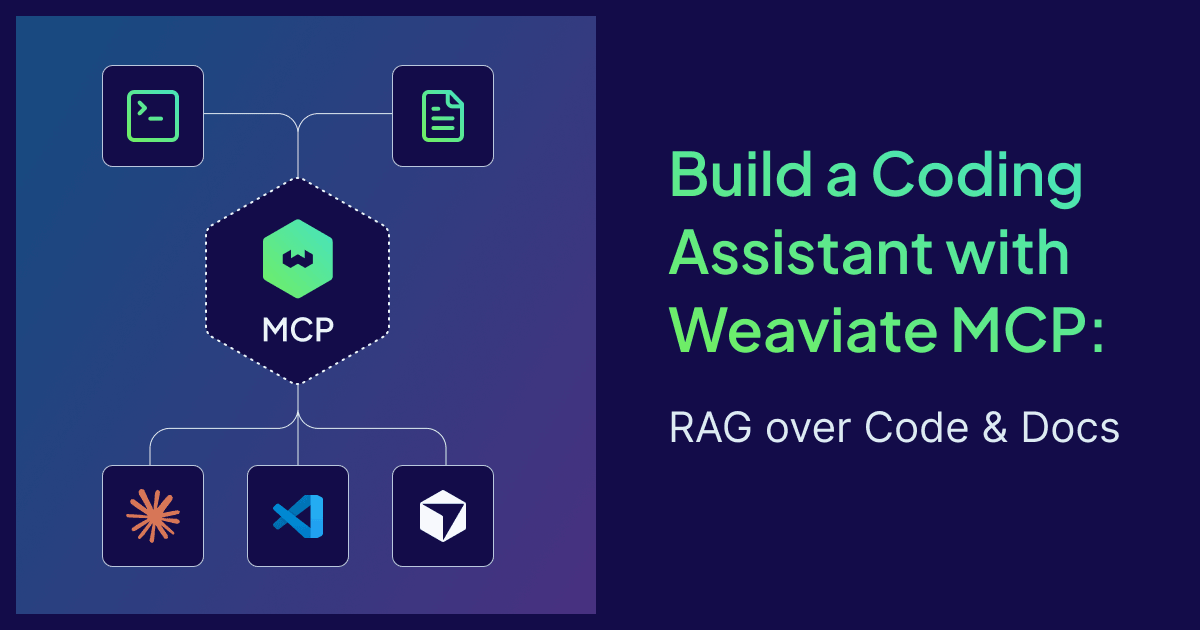
Introduces query profiling as a per-query, opt-in debugging tool to provide detailed timing breakdowns of query execution stages (filter, vector search, object hydration, keyword scoring) across the entire cluster. This replaces the previous node-per-node slow query log for real-time, granular performance analysis. This post extends the concept of query analysis to the Model Context Protocol (MCP) server, enabling hybrid search over code and documentation for coding assistants. It details the in-query profiling feature, providing per-shard timing breakdowns for any search request by setting `query_profile=True` in `MetadataQuery`. The profile is structured per shard and per search type (`vector`, `keyword`, `object`), with metrics like `vector_search_took`, `filters_ids_matched`, `knn_search_layer_N_took`, `kwd_method`, and `total_took`. For hybrid search, you get both vector and keyword sections per shard. For multi-node clusters, the coordinator aggregates timings from every shard — each entry includes the node that executed it, making performance imbalances easy to spot. Profiling uses the same instrumentation as slow query logging, so overhead is minimal when enabled and zero when disabled.

3 posts

Timeline

Weaviate Release Notes

Active

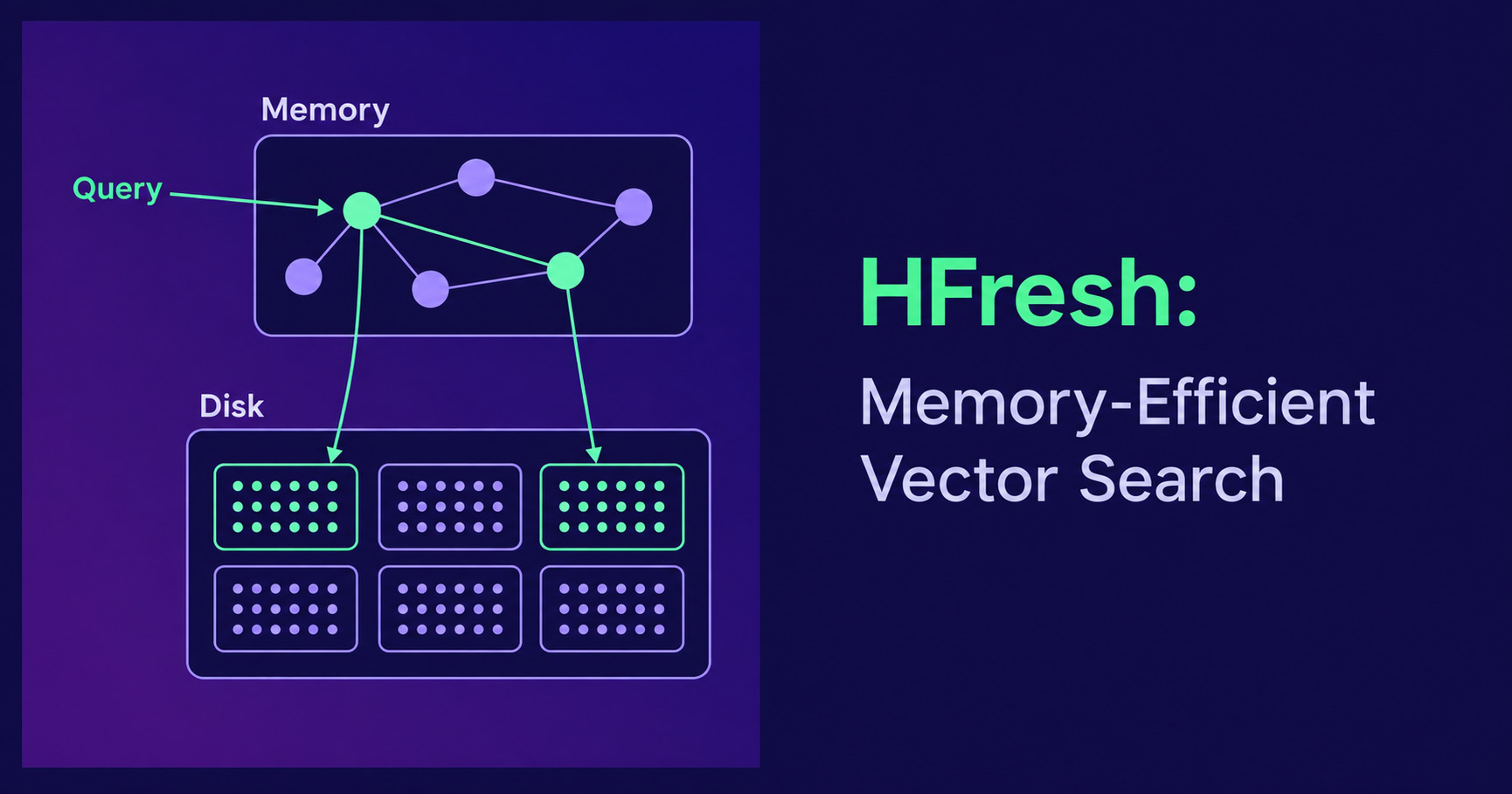
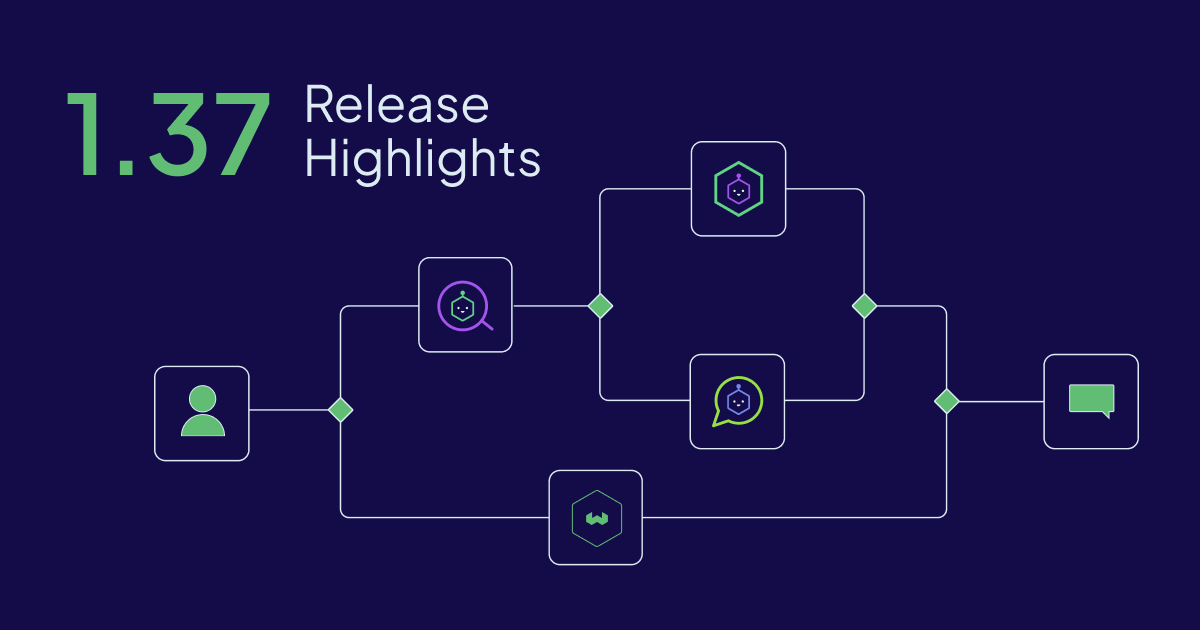
This post details the release of Weaviate v1.36, introducing HFresh (a new disk-based vector index in technical preview), and bringing Server-side Batching, Object TTL, Async Replication Improvements, Drop Inverted Indices, and Backup Restoration Cancellation to general availability. These updates focus on indexing performance, data lifecycle management, and operational reliability at scale.

2 posts

Timeline

Engram: Managed Memory and Context Service

Active

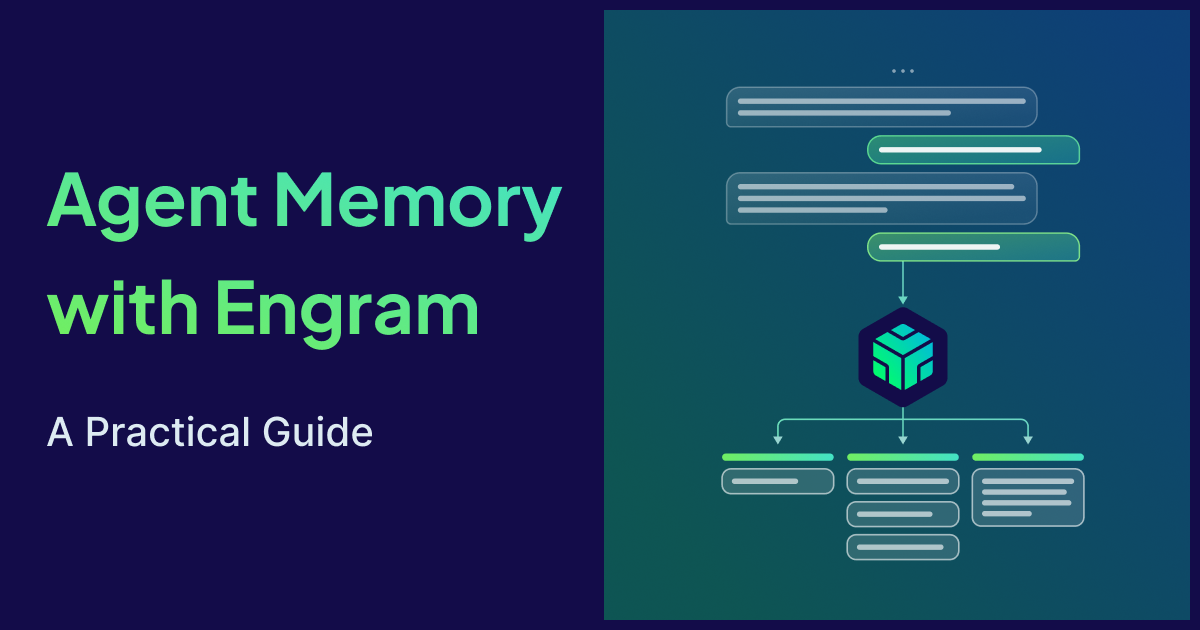
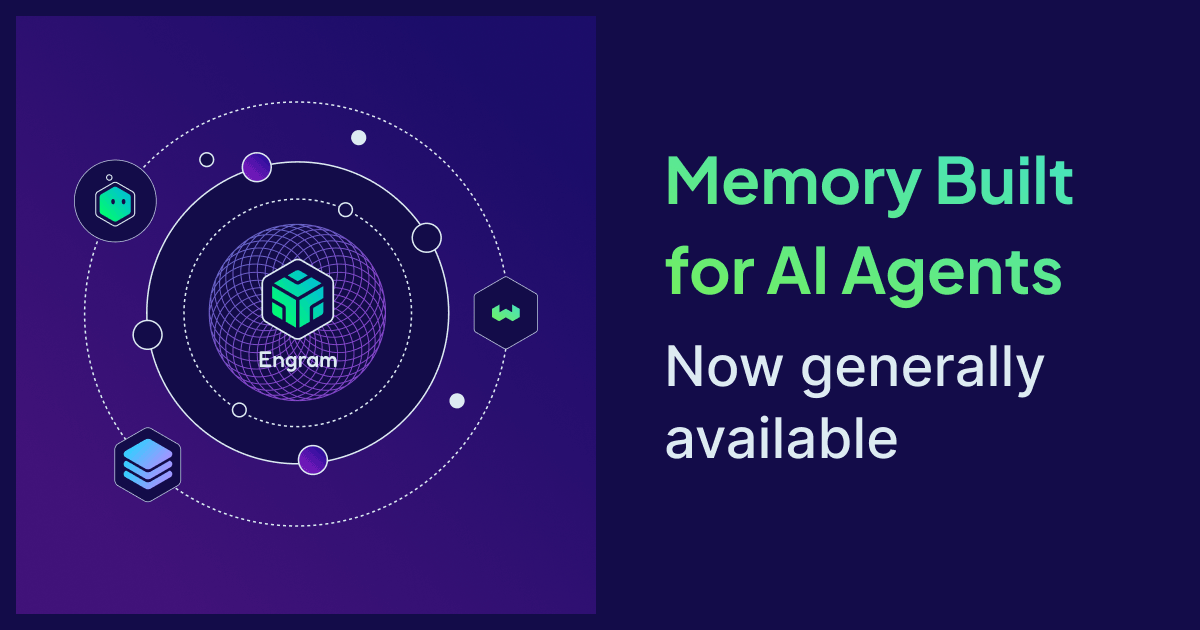
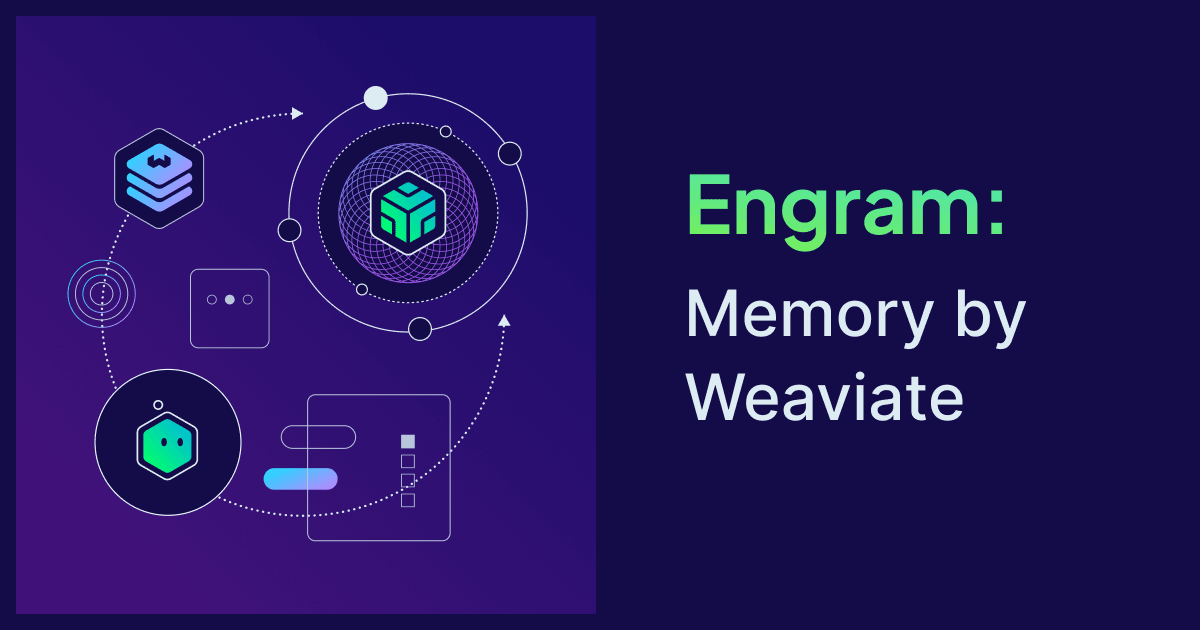
Engram is Weaviate's managed memory and context service, designed to help agents orchestrate workflows, learn from experience, and anchor decisions to trusted knowledge. It transforms raw agent events into structured, durable, and scoped memories, serving them via Weaviate's hybrid semantic and keyword retrieval. Engram features asynchronous pipelines for extraction, reconciliation, and persistence of clean memory states, with templates for personalization, continual learning, and multi-agent sy. This post introduces Weaviate Agent Skills, a repository that acts as a bridge between coding agents and Weaviate's infrastructure, providing Weaviate-specific scripts for cluster management, data lifecycle, agentic search, and advanced retrieval, as well as end-to-end project blueprints (cookbooks) for building applications with Weaviate and modern frameworks.

4 posts

Timeline

Text Analysis for Hybrid Search

Active

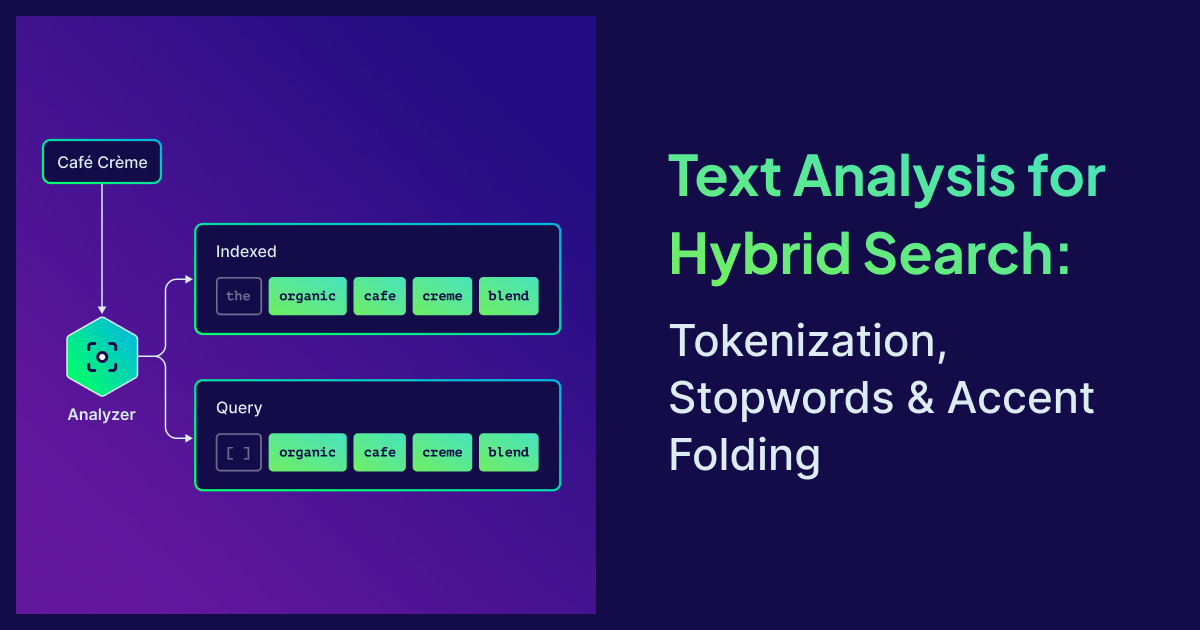
This post introduces and details enhancements to Weaviate's text analysis capabilities for hybrid search. It covers tokenization methods (word, lowercase, whitespace, field, and language-specific options), accent folding for multilingual support, and per-property stopword management. A new `/v1/tokenize` endpoint is also introduced for verifying tokenization results. These features aim to improve the recall and accuracy of the BM25 component in hybrid search by providing more control and observability over text processing.

1 post

Timeline

Weaviate Managed C# Client

Active

The Weaviate Managed C# Client provides an Entity Framework Core-inspired experience for .NET developers, enabling schema definition via C# attributes, type-safe LINQ queries, and automatic schema creation and migration. It supports features like named vectors, cross-collection references, batch operations, and Retrieval-Augmented Generation (RAG) directly within the .NET ecosystem.

1 post

Timeline

Enterprise Authentication and Authorization

Active

This post details how Weaviate can be secured for enterprise environments by integrating with enterprise identity providers (IdPs) via OpenID Connect (OIDC) for authentication. It covers Role-Based Access Control (RBAC) at scale, using OIDC groups to manage roles dynamically, and implementing multi-tenant security to isolate data for different clients. The post also emphasizes the importance of audit logging for compliance, demonstrating how Weaviate's features help meet stringent enterprise security requirements. It also introduces programmatic user management with API keys and built-in roles for simpler setups.

2 posts

Timeline