BlogsDropbox Feature Trails

Dropbox logo

Dropbox Feature Trails

See how major capabilities shipped, upgraded, and evolved across Dropbox's engineering blog.

Feature trails

4

Universal Content Processing Platform

Active

Dropbox's Riviera platform, initially for file previews, has evolved into a universal content processing platform. It now handles complex transformations for various products like Search, Replay, Sign, and AI-powered features like Dash. The platform's architecture, based on reusable transformations and a plugin model, allows for easy extension to support new file formats and workloads. Riviera is now being exposed externally via APIs and Model Context Protocol tools to enable developers to build. This evolution includes optimizing AI model inference for efficiency and cost-effectiveness through techniques like low-bit inference, enabling faster and more reliable AI-powered search and understanding across user content.

3 posts

Timeline

Design-to-code security traceability

Active

Dropbox built a system using Model Context Protocol (MCP) and Dash to automatically retrieve relevant threat models during code review, bridging the gap between design decisions and code implementation. This system uses foundational LLMs to compare documented security requirements with proposed code changes, improving the visibility and enforcement of security policies. The initial analysis showed that only 12% of implementing PRs explicitly linked back to their threat models, with 69% of connec. This post details how LLMs are used to amplify human labeling efforts to improve the relevance of Dash search results. By combining human-labeled data with LLM-generated labels, Dropbox is able to train more effective relevance models at scale, leading to better search outcomes within Dash.

2 posts

Timeline

AI Agent Platform for Engineering

Active

Dropbox is evolving its engineering practices beyond AI code generation tools to AI agent platforms like Nova. Nova allows engineers to describe tasks in natural language, and AI agents execute these tasks within a controlled environment, interacting with the codebase, running tests, and iterating on failures. This platform aims to accelerate the broader software development lifecycle by handling scoped tasks, including feature development, migrations, test remediation, and bug investigation. The relevance judge for Dash has been optimized using DSPy, enabling a transition to a more cost-effective model while maintaining or improving accuracy by systematically adapting prompts and leveraging structured feedback for iterative refinement. This optimization process minimizes disagreement with human relevance judgments and ensures output reliability.

3 posts

Timeline

Magic Pocket Storage Efficiency

Active

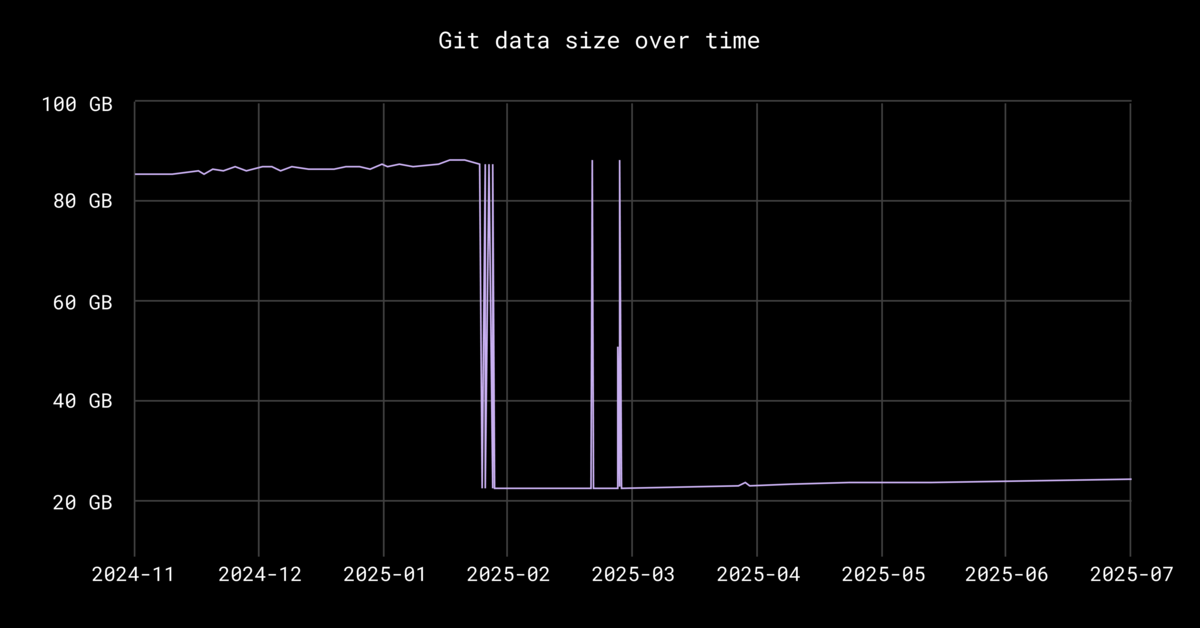
Dropbox's Magic Pocket, an immutable blob store, faced increased storage overhead due to fragmentation caused by a new service that led to severely under-filled volumes. The existing L1 compaction strategy was insufficient to reclaim space efficiently from these sparse volumes. To address this, Dropbox developed a multi-strategy approach, including improvements to steady-state compaction and new methods for cleaning up the sparsest volumes, aiming to reduce overhead below previous baselines. This post details how Dropbox reduced its monorepo size from 87GB to 20GB by identifying and addressing an issue with Git's delta compression heuristic, which was inefficiently packing internationalization files due to their directory structure. By working with GitHub to implement a more aggressive repack strategy with tuned parameters, they significantly improved clone times and reduced operational risk.

2 posts

Timeline