Blogs
Dropbox logo

Dropbox

Engineering blog · dropbox.tech

120posts0this week0watchers

Feature trails

58
Feature trailActive

Universal Content Processing Platform

Dropbox Dash has evolved from a traditional RAG pipeline to an agentic AI system. This evolution is driven by advancements in context engineering, focusing on improving the precision and relevance of information provided to AI models. Key strategies include consolidating retrieval tools into a single universal search index, filtering context through a knowledge graph to prioritize relevance, and introducing specialized agents for complex tasks like query construction. The integration of Mobius L Reclaim, a calendar assistant, has evolved to be AI-native by building an agent platform that connects LLMs to Reclaim's scheduling logic and calendar context. This platform allows users to describe scheduling goals in natural language, which an agent interprets and translates into Reclaim's internal 'Schedule Action' operations. A 'Preview Mode' was developed to allow users to review AI-proposed changes before applying them to their actual calendars, ensuring consistency and user control. The system connects directly to model providers and owns the agent loop, tools, and context gathering to maintain flexibility and control.

13 posts · 2018–2026

Timeline

20182026
Feature trailActive

Infrastructure Efficiency and Optimization

Dropbox's ongoing efforts to improve infrastructure efficiency, focusing on planning, continuous optimization of the active fleet (including Deep Sleep and workload balancing), and extending hardware lifecycle. This capability evolves to address growing demand, particularly from AI workloads, by maximizing resource utilization and minimizing waste. This post details how Dropbox reduced its monorepo size by 77% (from 87GB to 20GB) by addressing Git's delta compression heuristics, significantly improving developer velocity and mitigating operational risk associated with repository size limits.

3 posts · 2020–2026

Timeline
20202026
Feature trailActive

Magic Pocket Storage Efficiency

Dropbox's Magic Pocket, an immutable blob store, faced increased storage overhead due to fragmentation caused by a new service that led to severely under-filled volumes. The existing L1 compaction strategy was insufficient to reclaim space efficiently from these sparse volumes. To address this, Dropbox developed a multi-strategy approach, including improvements to steady-state compaction and new methods for cleaning up the sparsest volumes, aiming to reduce overhead below previous baselines. This post details the new strategies for reclaiming space from under-filled volumes, including a new 'donor-less' compaction strategy and a targeted cleanup of the sparsest volumes, which successfully reduced storage overhead by 15% and improved effective replication.

9 posts · 2016–2026

Timeline
…20172026
Feature trailActive

AI Agent Platform for Engineering

Dropbox is evolving its engineering practices beyond AI code generation tools to AI agent platforms like Nova. Nova allows engineers to describe tasks in natural language, and AI agents execute these tasks within a controlled environment, interacting with the codebase, running tests, and iterating on failures. This platform aims to accelerate the broader software development lifecycle by handling scoped tasks, including feature development, migrations, test remediation, and bug investigation. This post details the platform's architecture, its use in CI failure remediation, dependency upgrades, and emerging workflows, highlighting the importance of validation, context handling, and integration with existing tools like Bazel and RenovateBot.

4 posts · 2024–2026

Timeline
20242026
Feature trailActive

Design-to-code security traceability

Dropbox built a system using Model Context Protocol (MCP) and Dash to automatically retrieve relevant threat models during code review, bridging the gap between design decisions and code implementation. This system uses foundational LLMs to compare documented security requirements with proposed code changes, improving the visibility and enforcement of security policies. The initial analysis showed that only 12% of implementing PRs explicitly linked back to their threat models, with 69% of connections recoverable only through semantic search. The system aims to reduce manual cross-referencing and surface security findings invisible without the threat model.

2 posts · 2026

Timeline
Feature trailActive

Low-Bit Inference Optimization

Dropbox is actively working on optimizing AI model inference through low-bit quantization techniques. This involves exploring various quantization formats, understanding their trade-offs in terms of accuracy, performance, and hardware utilization, and adapting these techniques to different AI workloads and hardware generations to achieve efficient and cost-effective AI-powered features like Dropbox Dash. This post details the different types of quantization, why and when they're needed, and the key optimization challenges required to deploy advanced AI models in production, including pre-MXFP and MXFP formats.

1 post · 2026

Timeline
Feature trailActive

Feature Store for Real-time AI

Dropbox developed a hybrid feature store for its Dash AI product to power real-time ranking and AI-driven search. The system integrates on-premises and cloud environments, leveraging Feast for orchestration, Spark for computation, and a custom Go serving layer with Dynovault (DynamoDB-compatible) for low-latency online lookups. It employs a multi-part ingestion strategy (batch, streaming, direct writes) to balance feature freshness with computational efficiency and infrastructure load, enabling real-time AI capabilities. The Go serving layer replaced a Python implementation to achieve sub-100ms latency targets, and intelligent change detection in batch ingestion reduced update times from over an hour to under five minutes.

1 post · 2025

Timeline
20252026
Feature trailActive

LLM Quantization Optimization

Dropbox's Mobius Labs team developed Half-Quadratic Quantization (HQQ), a novel data-free quantization technique for large machine learning models, particularly LLMs. HQQ significantly speeds up the quantization process (e.g., 50x faster for Llama-2-70B compared to GPTQ) while achieving competitive compression quality. It minimizes errors in model weights by incorporating a sparsity-promoting loss and using a Half-Quadratic solver with closed-form solutions, enabling inference in half-precision.

2 posts · 2025

Timeline

20252026
Feature trailCooling

GPU Server Liquid Cooling Infrastructure

Dropbox is exploring and prototyping liquid cooling solutions for GPU servers to address the increasing thermal demands of AI workloads. This initiative aims to reduce operating temperatures, improve performance, and potentially lead to power and space efficiencies within data centers, preparing the infrastructure for next-generation hardware. The team built a lab setup, tested core components, and demonstrated significant benefits: 20–30°C lower operating temperatures under stress, quieter performance, and the potential for power savings and environmental benefits.

1 post · 2025

Timeline

20252026
Feature trailCooling

Advanced Team-Based File Encryption

Dropbox developed an advanced key management solution for team-based file encryption, addressing customer needs for unique team keys anchored in HSMs. The system uses a three-tiered encryption scheme (TEK, NEK, BEK) to enable fast file copies and limit security risks. It incorporates key caching for performance and a chain-of-custody system for integrity. This solution also influences encryption approaches for AI tools like Dropbox Dash. The implementation now supports zero-knowledge, end-to-end encryption for team folders, where files are encrypted on the customer's device before upload, with keys managed centrally by the team. This approach reduces the risk of data loss, shifts key management burden from individuals to the team, and simplifies user experience. It supports automatic and manual device registration modes, with key rotation for enhanced security when team members change. The system uses AES-256-GCM for symmetric file encryption and Hybrid Public Key Encryption (HPKE) with ECC for asymmetric key wrapping. It does not cover device security, metadata visibility, or insider threats beyond external access controls.

2 posts · 2024–2025

Timeline

20242026
Feature trailCooling

Server Hardware Architecture

Dropbox's ongoing efforts to improve infrastructure efficiency, focusing on planning, continuous optimization of the active fleet (including Deep Sleep and workload balancing), and extending hardware lifecycle. This capability evolves to address growing demand, particularly from AI workloads, by maximizing resource utilization and minimizing waste. This post details the design and deployment of their seventh generation server hardware, including specialized tiers for compute (Crush), database (Dexter), and storage (Sonic), as well as new GPU tiers (Gumby and Godzilla). Key improvements include higher core count CPUs (84-core AMD EPYC 9634), increased memory capacity (512GB), DDR5 memory, 100Gb networking, NVMe gen5, and a new storage chassis designed to minimize vibration and heat. The database platform saw a 30% increase in IPC and higher base frequency, leading to reduced replication lag. The storage platform aims for 200Gbps throughput and is 400G-ready.

6 posts · 2019–2025

Timeline

20192026
Feature trailCooling

Async Task Framework

Dropbox's asynchronous platform has evolved significantly, moving from a collection of disparate, difficult-to-manage systems to a unified, event-driven architecture. This evolution, guided by a Messaging System Model (MSM), addresses challenges in developer efficiency, reliability, operability, scalability, and extensibility. The platform now handles over 30 million tasks per minute, supports AI innovations like Dropbox Dash, and integrates Change Data Capture (CDC) use cases. The MSM standardizes the platform into five logical layers, simplifying interfaces and enabling consistent delivery guarantees and data sources.

2 posts · 2020–2025

Timeline

20202026
Feature trailCooling

Internal Load Balancing Service

Dropbox's internal load balancing service, Robinhood, has evolved to address uneven load distribution and improve reliability. The latest iteration leverages PID controllers for more effective load management, leading to significant hardware cost savings and better handling of AI workloads. The system architecture includes a load balancing service, proxy, and routing database, with detailed strategies for handling LBS restarts, cold start nodes, and missing load reports. It supports load balancing based on CPU utilization and/or in-flight requests. Cross-data center routing is handled via locality configuration.

6 posts · 2017–2024

Timeline

20172026
Feature trailQuiet since 2024

LLM Security Research and Mitigation

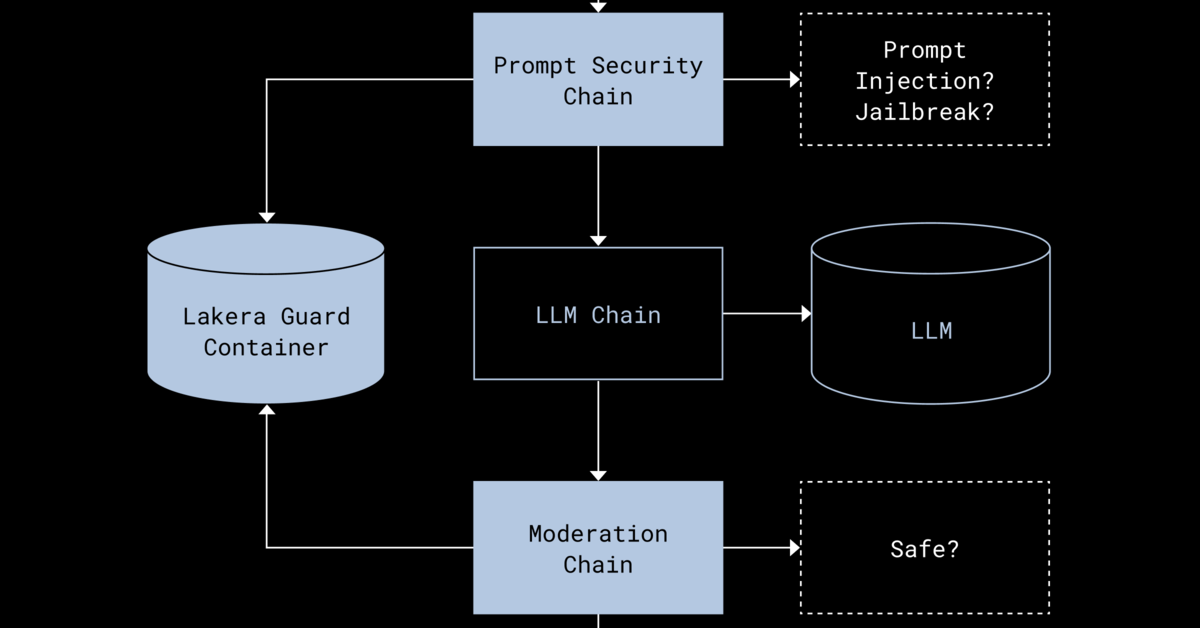
Dropbox engineers conduct ongoing security research on large language models, identifying vulnerabilities such as repeated token attacks. They have developed methods to exploit and demonstrate these vulnerabilities, including extracting training data. This research informs the development of new attack vectors and the discovery of gaps in existing mitigation strategies, leading to the identification of multi-token repeat vulnerabilities. The findings are shared with model providers like OpenAI. Dropbox has also implemented Lakera Guard as an in-house service to secure LLM-powered applications, focusing on prompt injection and content moderation. This involves deploying Lakera Guard as a Docker container, integrating it into LangChain-based security chains, and measuring its impact on latency and security coverage. The company is planning to expand this integration across all LLM-using products.

2 posts · 2023–2024

Timeline

20232026
Feature trailQuiet since 2024

OAuth App Scope Customization

Dropbox's OAuth system allows developers to define maximum scopes for their apps. This capability has evolved to enable further customization of requested scopes during the authorization flow. Developers can now specify a subset of enabled scopes via the `/oauth2/authorize` URL, and can also use the `include_granted_scopes` parameter to incrementally add new permissions. This provides finer-grained control over app permissions, enhancing user trust and privacy by requesting only necessary scopes.

5 posts · 2020–2024

Timeline

20202026
Feature trailQuiet since 2024

Scalable Consistent Metadata Caching

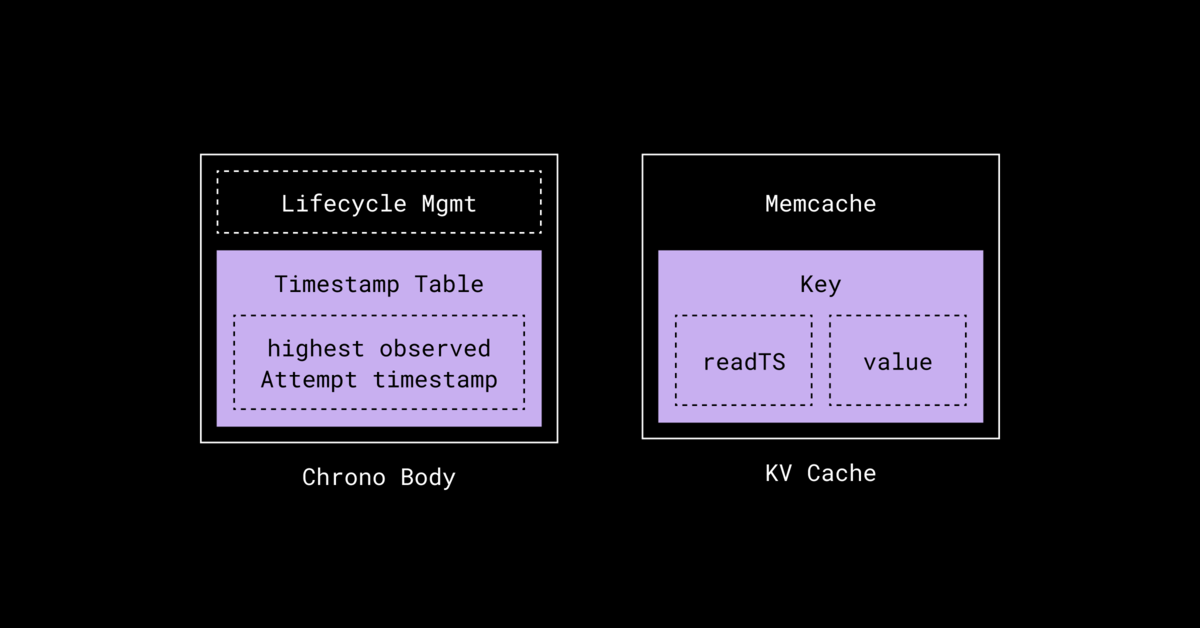
Dropbox developed Chrono, a scalable and consistent caching system built on top of its key-value storage system, Panda. Chrono addresses the challenge of serving high-volume read QPS while upholding read-after-write consistency guarantees for metadata clients. It achieves this by decoupling write attempt tracking from data caching, allowing for independent scaling of components and ensuring that stale cache entries are detected and avoided. This enables new high-volume metadata workflows involving search and AI.

1 post · 2024

Timeline

20242026
Feature trailQuiet since 2024

API Server Certificate Rotation

Dropbox is updating its API servers with certificates issued from a new root starting in 2026. This requires updates to SDKs that implement certificate pinning to ensure continued API access. Affected SDKs include Java, .NET, and Python, with specific version requirements for compatibility. Unaffected SDKs include JavaScript, Objective-C, and Swift. Third-party libraries may also be impacted. This post details the specific SDK version requirements for SwiftyDropbox 10.0.0-beta.3 to maintain compatibility.

2 posts · 2023–2024

Timeline

20232026
Feature trailQuiet since 2024

Team Content Discovery

Dropbox is updating its team space functionality to improve scalability and privacy. This involves introducing new API features and behavioral changes to better support team spaces. The system now provides distinct member home folders and team shared Dropbox features, along with new namespace types and root folder IDs for team members. These updates allow applications to better determine team configurations and access team content, including handling multiple team folders and member-specific roots. The API has been enhanced to support these evolving team space structures, ensuring applications can adapt to new ways of accessing and managing team-owned content.

2 posts · 2023–2024

Timeline

20232026
Feature trailQuiet since 2023

400G Networking Infrastructure

Dropbox has designed and launched its first data center architecture using 400 gigabit per second (400G) ethernet technology. This upgrade significantly increases bandwidth, reduces power usage and cabling footprint, and streamlines data center interconnects. The new design leverages advanced technologies like digital signal processing for higher data rates and uses 400G direct attach copper (DAC) cabling for energy-efficient spine-leaf interconnections. The top-of-rack interconnects utilize 400G.

3 posts · 2018–2023

Timeline

20182026
Feature trailQuiet since 2023

ML-based Date Format Identification in File Names

Dropbox developed an ML model to accurately identify various date formats within file names, improving the functionality of its automated naming conventions feature. This system moves beyond rule-based approaches to handle inconsistent and ambiguous date representations, enabling more effective file organization and retrieval. The ML model uses supervised learning for multi-class classification, with components for annotation, tokenization (using SentencePiece), and classification, leveraging transfer learning and synthesized data generation.

3 posts · 2021–2023

Timeline

20212026
Feature trailQuiet since 2023

JavaScript Bundle Optimization

Dropbox has been actively optimizing its JavaScript bundle sizes to improve web performance. This involved replacing an outdated custom module bundler with a more modern solution, Rollup. The new system implements automatic code-splitting and tree-shaking, significantly reducing the amount of JavaScript sent to the browser. This effort aims to decrease page load times and enhance the overall user experience by ensuring only necessary code is downloaded and executed. This post details the transition from a custom, manual bundler to Rollup, highlighting the benefits of automatic code-splitting and tree-shaking, and the phased rollout strategy.

1 post · 2023

Timeline

20232026
Feature trailQuiet since 2023

HTTP3 Network Latency Optimization

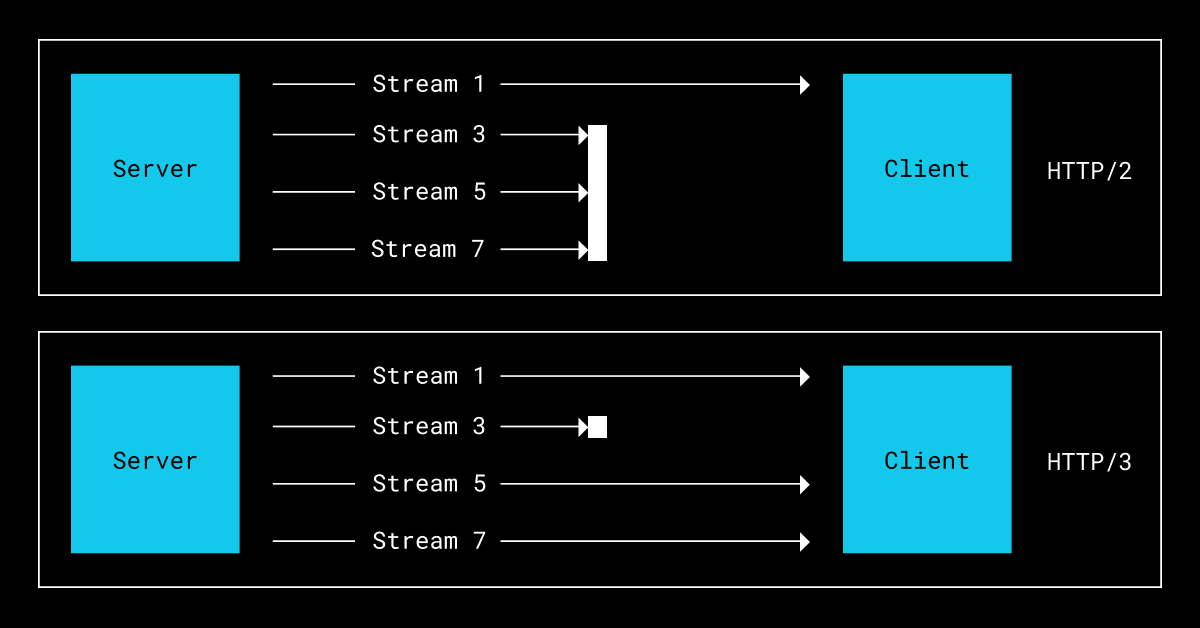
Dropbox is actively investigating and implementing network protocol upgrades to reduce latency across its services. This includes evaluating and deploying HTTP3 to improve connection establishment and reduce head-of-line blocking, particularly benefiting users in regions with higher network latency and at higher percentiles of latency distribution. The goal is to enhance the performance of critical features like search, file operations, and content suggestions.

1 post · 2023

Timeline

20232026
Feature trailQuiet since 2023

Core Web Serving Platform Rewrite

Dropbox re-architected its core web serving stack with the introduction of Edison, a new web framework, stack, and platform. This initiative replaced the legacy DWS webserver and its pagelet architecture with a Single Page Application (SPA) model. Edison enables isomorphic rendering, faster developer iteration cycles, and a more unified web surface, addressing technical debt accrued over 13 years and preparing the platform for future product evolution. This post details the migration of the HelloSign Editor from jQuery to React, improving fidelity, speed, and usability by consolidating the document viewer implementation across Editor, Signer, and Overlay components. The rewrite leveraged React's component model and Storybook for accelerated development and testing, and introduced a new frontend architecture for HelloSign's single-page application.

2 posts · 2020–2023

Timeline

20202026
Feature trailQuiet since 2023

Data Validation Framework

Dropbox developed a data validation framework to ensure the quality of data in its 55-petabyte Hadoop-based data lake. The framework uses SQL for checks, is integrated with Airflow for orchestration, and balances data availability with quality by performing checks after ingestion. It alerts on-call engineers via PagerDuty for failures and provides detailed error messages. The system aims to catch data quality issues like duplicates, missing mandatory fields, and incorrect business logic before data is used for analytics or ML.

2 posts · 2021–2023

Timeline

20212026
Feature trailQuiet since 2023

Experimentation

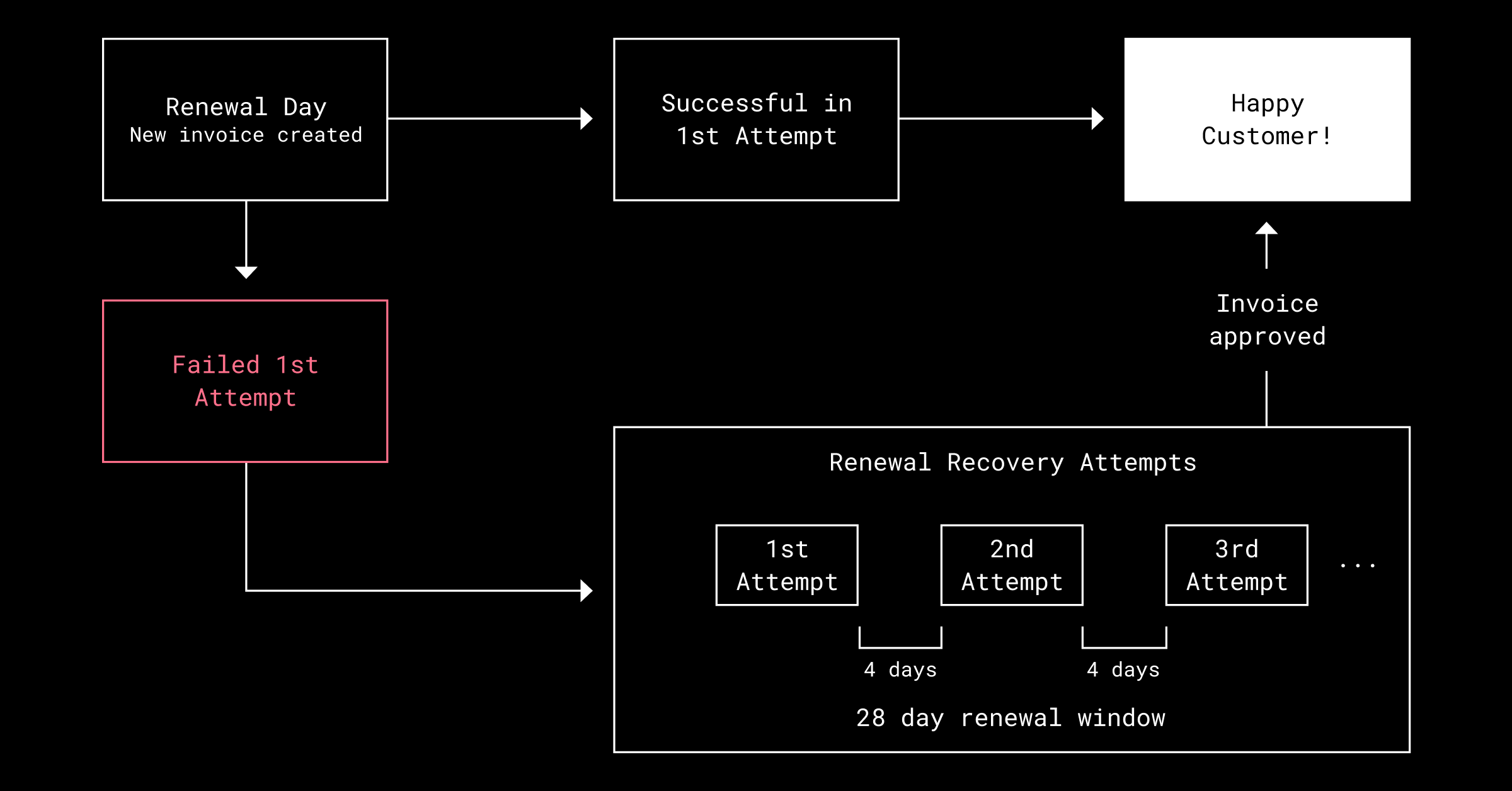
Dropbox has developed and deployed a machine learning system to optimize payment renewal attempts, reducing involuntary churn and improving customer retention. This system moves beyond static, rule-based retry logic to dynamically predict the best times to charge customers during renewal failures, leading to increased payment success rates and a more efficient billing process. The ML approach also simplifies the overall billing system complexity. This post details the development of Expected Revenue (XR) as a metric for A/B experiments, using Gradient Boosted Trees in TensorFlow to predict user lifetime value and enable faster, more accurate experiment analysis. The system leverages Airflow, Hadoop on AWS, Hive, Spark, and S3 for its architecture.

1 post · 2023

Timeline

20232026
Feature trailQuiet since 2022

Phishing Incident Response and Security Controls

Dropbox has experienced a phishing incident targeting GitHub accounts, leading to the compromise of some code repositories. The company responded by disabling access, rotating credentials, and conducting forensic analysis. To enhance security, Dropbox is accelerating the adoption of WebAuthn for multi-factor authentication across its environment to mitigate future phishing attacks. This capability evolves to address evolving threat landscapes and improve the resilience of access controls.

2 posts · 2021–2022

Timeline

20212026
Feature trailQuiet since 2022

SSRF Defense and Secure Request Framework

Dropbox has implemented a comprehensive framework to defend against Server-Side Request Forgery (SSRF) attacks. This includes a specific fix for a critical SSRF vulnerability in the branded sharing feature, the development of a secure-by-default web request framework deployed at the network/proxy layer (Envoy with HTTP RBAC filter), and the 'Auth Everywhere' initiative mandating authenticated, authorized, and auditable connections in production. These measures significantly reduce the risk of SSRF attacks.

2 posts · 2020–2022

Timeline

20202026
Feature trailQuiet since 2022

Web Performance Measurement

Dropbox is actively working on improving web performance measurement and optimization. This includes developing and open-sourcing tools like @dropbox/ttvc for Time To Visually Complete (TTVC) tracking, which provides a more user-centric view of page load performance than previous metrics like LCP. The company is also exploring and implementing network protocol upgrades like HTTP3 to reduce latency and optimizing JavaScript bundles for faster web experiences. Efforts are also underway to rewrite core web serving platforms for better performance and developer experience.

1 post · 2022

Timeline

20222026
Feature trailQuiet since 2022

Performant File Uploads

Dropbox has enhanced its API to support more performant file uploads, particularly for large volumes of larger files. This includes improvements to managing lock contention and parallelization. The updated API functionality allows for starting multiple upload sessions in batches and further parallelizing upload session requests. A new code sample demonstrates how to leverage these features and tune thread count parameters for optimal network utilization.

1 post · 2022

Timeline

20222026
Feature trailQuiet since 2022

Password Syncing and Conflict Resolution

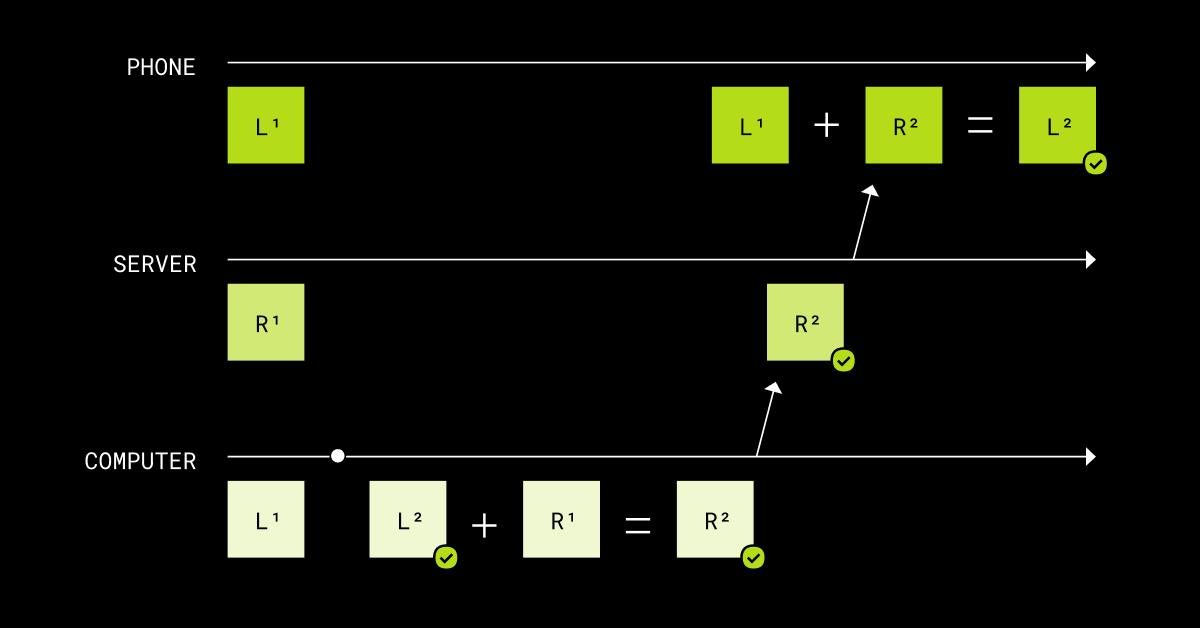
Dropbox Passwords has evolved its syncing mechanism to handle complex conflict resolution scenarios, particularly those arising from clock skew between devices. The system now employs a three-way merge strategy, incorporating a 'base' payload to track the most recently synced state on a client. This allows for more robust merging of local and remote changes, ensuring data integrity and preventing out-of-date information from overwriting newer updates, even in the presence of significant clock drift. This foundation supports new features like password sharing and payment card items.

1 post · 2022

Timeline

20222026
Feature trailQuiet since 2022

Disaster Readiness and Data Center Failover

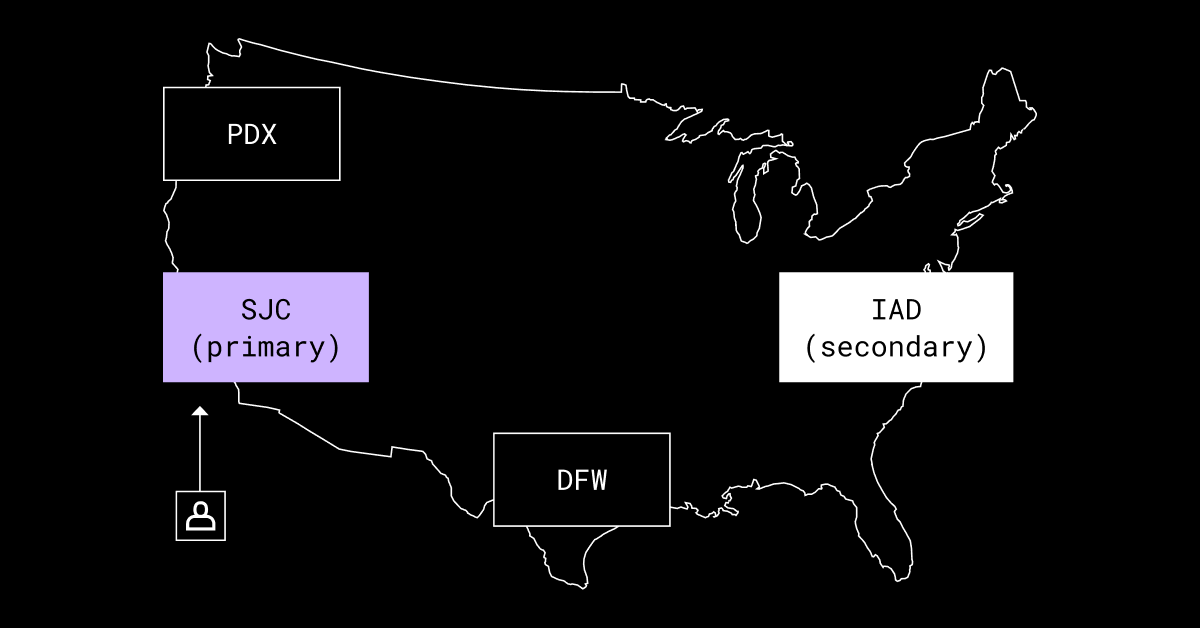
Dropbox has significantly improved its disaster readiness by reducing its Recovery Time Objective (RTO) through a year-long effort culminating in the physical unplugging of its San Jose data center. This involved transitioning from an active-passive to a more robust active-active architecture for its metadata stack, addressing complexities in MySQL replication, consistency, and data modeling. The creation of a dedicated Disaster Readiness (DR) team and the development of modular, safe failover tooling were key to achieving this.

1 post · 2022

Timeline

20222026
Feature trailQuiet since 2022

Gradle Build Performance Optimization

Dropbox is actively working on improving build performance for large monorepos, particularly for Android development. This includes developing and open-sourcing tools and plugins that allow engineers to focus on specific modules, reducing IDE sync times and overall build times. The goal is to enable faster iteration cycles and improve developer productivity by minimizing the amount of code Gradle and Android Studio need to process. This post details how the team reduced CI runtime from an average of 75 minutes to 25 minutes by optimizing Gradle, offloading work to Firebase Test Lab, and rearchitecting CI jobs for parallelism, specifically by implementing an Affected Module Detector to run only necessary tests.

2 posts · 2020–2022

Timeline

20202026
Feature trailQuiet since 2022

Mobile Camera Uploads Reliability and Performance

Dropbox's mobile camera upload feature has undergone a significant rewrite to improve reliability and performance. The Android implementation now uses native Kotlin and libraries like WorkManager and Room, replacing a problematic shared C++ library. This rewrite addresses platform-specific background restrictions, optimizes network usage with intelligent retries and backoff intervals, and enhances upload speed through parallel uploads and optimized memory management. The new system ensures photo uploads are more reliable and performant. The team also invested in measuring and optimizing app startup time, identifying and fixing performance offenders like Firebase Performance library initialization, feature flag migrations, and initial user loading. Practices like measuring third-party library impact and caching expensive computations were adopted to prevent future performance degradation.

2 posts · 2021–2022

Timeline

20212026
Feature trailQuiet since 2021

Realtime Collaborative Playback Synchronization

Dropbox Replay's Live Review feature enables real-time, synchronized playback for remote teams. This capability has evolved to address the complex challenge of maintaining consistent video playback state across multiple collaborators, even with concurrent user interactions. The system uses WebSockets and Protocol Buffers for communication, with a server-side sync service establishing a logical clock and 'happened-before' relationships to ensure all clients converge on the same playback state. This ensures a smooth and predictable user experience, approximating in-person screening room collaboration.

1 post · 2021

Timeline

20212026
Feature trailQuiet since 2021

Capture Native Code Integration

Dropbox Capture, a visual communication tool, initially relied on third-party shell-based libraries for native OS interactions like screen capture and GIF processing. To improve reliability, performance, and developer experience, the team developed a custom Rust library. This library, integrated via Neon bindings, allows direct, low-overhead calls to native OS code, enhancing screenshot and recording quality (up to 4K), enabling faster sharing, improving error handling and monitoring, reducing app size, and enabling new features.

1 post · 2021

Timeline

20212026
Feature trailQuiet since 2021

ML-based Payment Renewal Optimization

Dropbox developed and deployed a machine learning system to optimize payment renewal attempts, reducing involuntary churn and improving customer retention. This system moves beyond static, rule-based retry logic to dynamically predict the best times to charge customers during renewal failures, leading to increased payment success rates and a more efficient billing process. The ML approach also simplifies the overall billing system complexity.

1 post · 2021

Timeline

20212026
Feature trailQuiet since 2021

Firefly Search Engine

Dropbox developed Firefly, an instant, full-text search engine designed to scale with hundreds of billions of files. The system aims for sub-250ms query latency and sub-10-second indexing latency. It addresses the challenges of scale, query latency, and indexing latency by sharding the search index based on namespaces rather than individual users. Each token in the index is prefixed with its namespace ID to optimize query processing for user-specific namespaces. This post details the core idea behind the sharding strategy and the challenges of building a search engine at Dropbox's scale.

1 post · 2015–2021

Timeline

…20172026
Feature trailQuiet since 2021

Android Memory Leak Detection

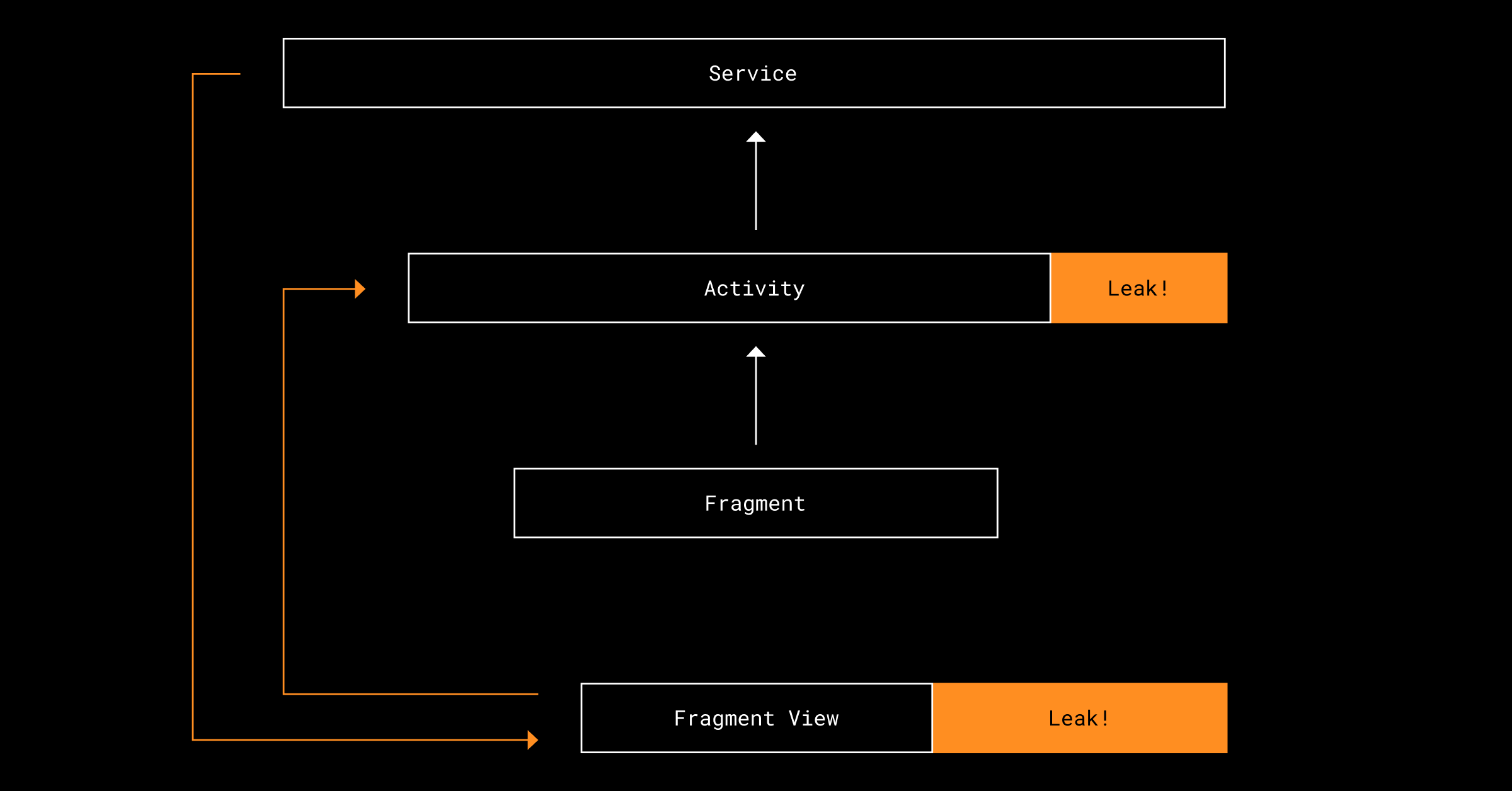
Dropbox is actively improving the reliability and performance of its Android applications by implementing robust memory leak detection and mitigation strategies. This includes leveraging tools like LeakCanary, integrating with bug tracking systems, and incorporating leak detection into CI/CD pipelines to catch issues early in the development cycle. The focus is on educating engineers about common leak patterns and providing them with the tools and knowledge to fix them, ultimately leading to more stable and performant mobile experiences.

1 post · 2021

Timeline

20212026
Feature trailQuiet since 2021

Paper Document API

Dropbox Paper files are now represented as .paper documents in the filesystem, enabling listing, moving, and exporting. New endpoints allow for creating, updating (including appending and prepending), and exporting Paper documents in various formats (Markdown, HTML, plain text). The update endpoint supports versioning to prevent conflicts with live edits.

1 post · 2021

Timeline

20212026
Feature trailQuiet since 2020

Android Path Normalization

Dropbox's Android app has historically struggled with sharing files and folders containing special characters or unusual naming conventions due to inconsistencies in path normalization logic between the server and the client. This post details the development and implementation of a novel, low-risk solution to address these issues. The approach involved a counterintuitive fix using a global static variable to gate a modified path normalization logic, controlled by the Stormcrow feature flagging system. This allowed for a safe rollout and eventual removal of the gating mechanism once the fix was proven reliable, ensuring user data integrity while resolving long-standing bugs related to file sharing and display.

1 post · 2020

Timeline

20202026
Feature trailQuiet since 2020

API Search Endpoint Evolution

Dropbox's API search endpoint has evolved from v1 to v2, offering significant improvements in performance (over 20% faster), reliability, and expanded file type support. The v2 endpoint allows for more granular control over search results through filtering by file extension and category, ordering by last modified time, and improved pagination. It also supports including filename highlights, mirroring the user interface experience. This evolution aims to provide developers with more powerful and efficient tools for accessing files within Dropbox.

1 post · 2020

Timeline

20202026
Feature trailQuiet since 2020

Sync Engine Rewrite and Testing

Dropbox's core sync engine, codenamed Nucleus, has undergone a significant rewrite to improve testability and robustness. This involved redesigning the protocol and data model to eliminate invalid states and simplify state representation. The new concurrency model, primarily single-threaded with offloaded I/O, enables deterministic randomized testing. This post details the architectural changes made to the sync engine to facilitate comprehensive automated testing, including randomized testing for performance regressions. The Apogee framework was developed to measure performance metrics (latency, CPU usage, disk I/O, memory usage, and network I/O) during end-to-end integration tests, aggregating and graphing results to detect performance regressions. Efforts to reduce measurement variability included static sharding of tests, running in Dropbox headless mode, using stage server variants, homogenous VMs with dedicated resources, and RAM disks for storage. This capability evolves to ensure the performance of the sync engine doesn't suffer during rollouts and to validate performance improvements.

4 posts · 2020

Timeline

20202026
Feature trailQuiet since 2020

Block Compression Optimization

Dropbox has implemented a modified Brotli encoder, codenamed Broccoli, to compress files before syncing. This optimization, layered into the block sync protocol, leverages redundancies in common file formats to reduce data on the wire, decrease bandwidth usage and latency, and decrease storage costs. The system allows for faster compression using multiple cores and in-process integration, and has led to significant reductions in median latencies and data transfer sizes. DivANS is a new framework for Brotli compression. Additionally, Dropbox developed a Rust-based decompressor for Brotli to ensure safety, determinism, and performance, sandboxing it with SECCOMP for enhanced security.

3 posts · 2016–2020

Timeline

…20172026
Feature trailQuiet since 2020

Mobile Analytics Integrity

Dropbox has invested in ensuring the integrity of user analytics on its mobile applications. This involves making analytics intentional (answering real business questions), credible (well-tested to prevent degradation), and discoverable (easy to find, understand, and use). The approach includes engineers actively participating in defining analytics requirements, designing instrumentation to answer specific business questions, and employing snapshot testing with instrumented UI tests to validate analytics events and attributes. This ensures data quality and enables reliable insights for feature success measurement and monitoring.

1 post · 2020

Timeline

20202026
Feature trailQuiet since 2020

Dropbox Transfer Product

Dropbox Transfer is a new product designed for sending large files, offering features like download confirmations, sender statistics, ephemeral links, and password protection. It was built as a distinct product to address specific user needs for file sending that differed from existing file sharing functionalities. The development involved an initial throwaway prototype for rapid learning and validation, followed by the construction of the enduring product, leveraging existing Dropbox infrastructure for storage and abuse prevention while building new product behaviors for sending.

1 post · 2020

Timeline

20202026
Feature trailQuiet since 2020

Dropbox Extensions Platform

Dropbox launched its Extensions platform to all developers, allowing them to integrate their applications directly into the Dropbox file experience. This enables users to launch workflows like file editing or e-signatures directly from Dropbox, leveraging OAuth 2.0 and the Dropbox API v2. Developers configure an Extension URI in their app settings to define where Dropbox redirects users and passes file references. This expands the ways third-party applications can interact with Dropbox files and user workflows.

1 post · 2020

Timeline

20202026
Feature trailQuiet since 2020

Client-side Language Transpilation

Dropbox has adopted and scaled Python static type checking using mypy across millions of lines of code. This initiative began as academic research and evolved into a core engineering practice, improving code understanding, maintainability, and developer productivity. The adoption involved standardizing type hinting syntax through PEP 484 and integrating mypy into development workflows, enabling faster iteration cycles and reducing bugs. The team also adopted CoffeeScript for its browser-side codebase, replacing JavaScript. This initiative involved rewriting over 23,000 lines of code, resulting in a 21% reduction in lines of code and tokens. The team implemented a server-side instrumentation for seamless recompilation during development and ensured production bundles remained unchanged in size and performance. This move aimed to improve code readability, maintainability, and developer productivity by leveraging CoffeeScript's syntactic sugar. The migration from CoffeeScript to TypeScript was a significant undertaking, involving the conversion of hundreds of thousands of lines of code. This effort improved code maintainability, reduced errors, and modernized the web platform.

2 posts · 2012–2020

Timeline

…20172026
Feature trailQuiet since 2019

Restrictive Folder Access Control

Dropbox introduced the ability for Business users to create folders with restricted audiences that do not inherit permissions from their parent folders. This allows for more granular control over access, enabling specific individual members or groups to be added to sub-folders, enhancing security and privacy for sensitive projects. The system supports creating new restricted folders and modifying existing ones via the Dropbox API, including endpoints for sharing, adding/removing members, and set

2 posts · 2019

Timeline

20192026
Feature trailQuiet since 2019

Threat Detection and Incident Response Platform

Dropbox's security team has developed a comprehensive platform for threat detection and incident response. This platform integrates security logs from various data stores, provides a unified interface for querying and analysis, and automates alert contextualization and response workflows. Key components include Alertbox for automated alert processing, a datasources library for abstracting data access, Covenant for interactive threat hunting using Jupyter notebooks, and Forerunner to orchestrate the integration between alerts and investigation notebooks. This capability aims to improve the efficiency and effectiveness of the security team in identifying and mitigating threats.

1 post · 2019

Timeline

20192026
Feature trailQuiet since 2019

Content Suggestion ML Infrastructure

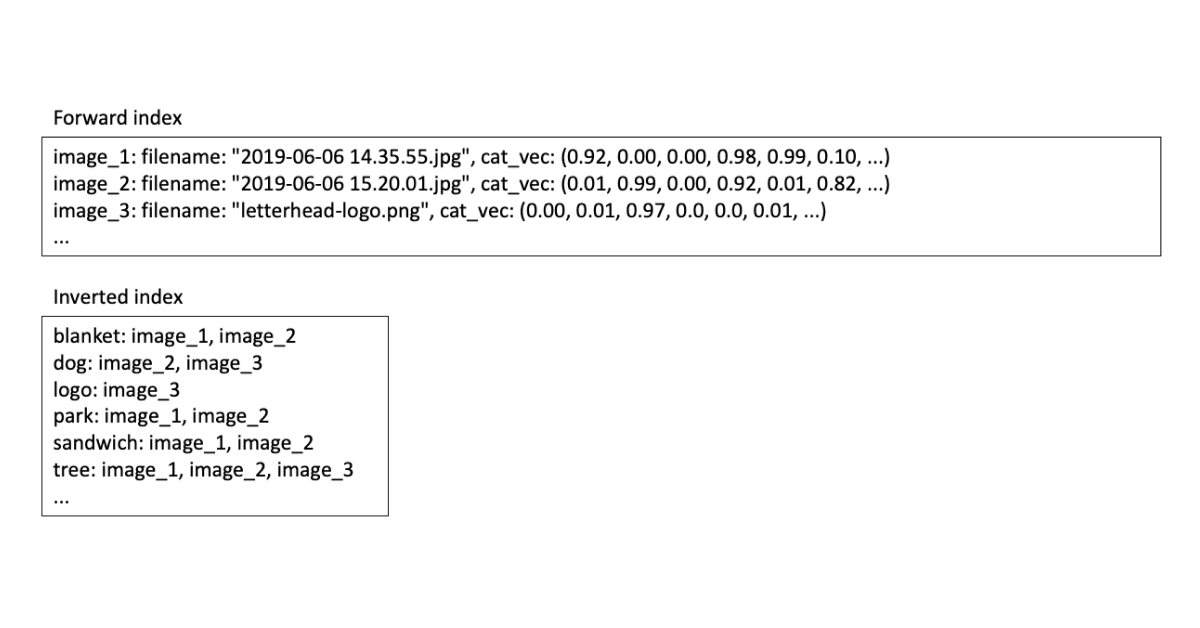
Dropbox is continuously improving its content suggestion capabilities by enhancing the underlying machine learning infrastructure and algorithms. This includes developing more sophisticated models to handle diverse content types (files, folders, cloud-based documents, Paper docs), incorporating richer signals like file extensions and filenames through embeddings and sequential models, and building improved tooling like dbxlearn for efficient hyperparameter tuning and experimentation. The goal is to provide users with more relevant and timely access to their important content.

1 post · 2019

Timeline

20192026
Feature trailQuiet since 2019

Python Static Type Checking

Dropbox has adopted and scaled Python static type checking using mypy across millions of lines of code. This initiative began as academic research and evolved into a core engineering practice, improving code understanding, maintainability, and developer productivity. The adoption involved standardizing type hinting syntax through PEP 484 and integrating mypy into development workflows, enabling faster iteration cycles and reducing bugs. The team also adopted CoffeeScript for its browser-side code and successfully migrated its entire desktop application from Python 2 to Python 3, involving a significant architectural shift to embed the Python runtime within native applications and a gradual rollout strategy.

2 posts · 2018–2019

Timeline

20182026
Feature trailQuiet since 2019

gRPC-based RPC Framework (Courier)

Dropbox developed Courier, a gRPC-based RPC framework, to standardize inter-service communication. Courier integrates gRPC with Dropbox's existing infrastructure for authentication, authorization, service discovery, stats, logging, and tracing. It provides features like service identity, TLS mutual authentication, ACLs, rate limiting, deadline propagation, and circuit-breaking to enhance security, observability, and reliability. The framework also includes introspection endpoints for debugging and performance optimizations like ECDSA keypairs for TLS handshakes.

1 post · 2019

Timeline

20192026
Feature trailQuiet since 2018

Desktop Crash Reporting

Dropbox has revamped its crash reporting pipeline for desktop Python applications, transitioning from a fragile in-process signal handler to an out-of-process Crashpad-based system. This new system significantly improves reliability by capturing native crashes, Python stack traces, and heap contents, even for early boot errors. A companion 'watchdog' process validates crash capture rates and classifies terminations. The integration of Crashpad required teaching it to handle Python's unique execution environment, including symbolication for mixed-language stack traces.

1 post · 2018

Timeline

20182026
Feature trailQuiet since 2018

JavaScript Utility Library Modernization

Dropbox has undertaken a strategic initiative to modernize its front-end JavaScript utility libraries. This includes migrating from older, unmaintained libraries like Underscore to actively developed and optimized alternatives like Lodash. The process involves creating custom, tree-shaken bundles of these libraries to minimize size and improve performance, integrating them into the existing build toolchain (Bazel), and managing type definitions for seamless developer experience. This effort aims to improve code maintainability, developer productivity, and overall web application performance.

1 post · 2018

Timeline

20182026
Feature trailQuiet since 2016

Document Scanning and Enhancement

Dropbox launched document scanning on iOS, enabling users to scan documents with their smartphone cameras and store them directly in Dropbox. This feature automatically detects documents, extracts them from the background, fits them to a rectangular shape, removes shadows, adjusts contrast, and saves them as PDF files. For Business users, OCR is also performed for search and copy-pasting. This post details the document detection pipeline, which uses a customized computer vision algorithm based on edge detection and Hough transforms, designed for real-time performance on mobile devices.

1 post · 2016

Timeline

…20172026
Feature trailQuiet since 2016

Lossless Image Compression Format

Dropbox developed and open-sourced Lepton, a streaming image compression format that achieves 22% lossless savings for JPEGs by predicting coefficients and using an arithmetic coder. It compresses at 5MB/s and decodes at 15MB/s, saving multiple petabytes of space. Lepton is used for archival and serving, with rigorous testing for determinism and security via seccomp. The format encodes AC coefficients using unary, sign, and standard binary representations, and optimizes DC coefficient compression by serializing them last and predicting them based on neighboring blocks and gradients.

1 post · 2016

Timeline

…20172026
Feature trailQuiet since 2012

Password Strength Estimation

Dropbox developed zxcvbn, an open-source password strength estimator that goes beyond naive entropy calculations to account for common password patterns (dictionary words, spatial patterns, sequences, etc.). This system aims to provide more accurate feedback to users, encouraging stronger password choices and better security. The initial implementation was used on dropbox.com/register and made available on GitHub. This post details the algorithm and compares its output to other password strength meters.

1 post · 2012

Timeline

…20172026