Generative AI for software engineers is more than code completion
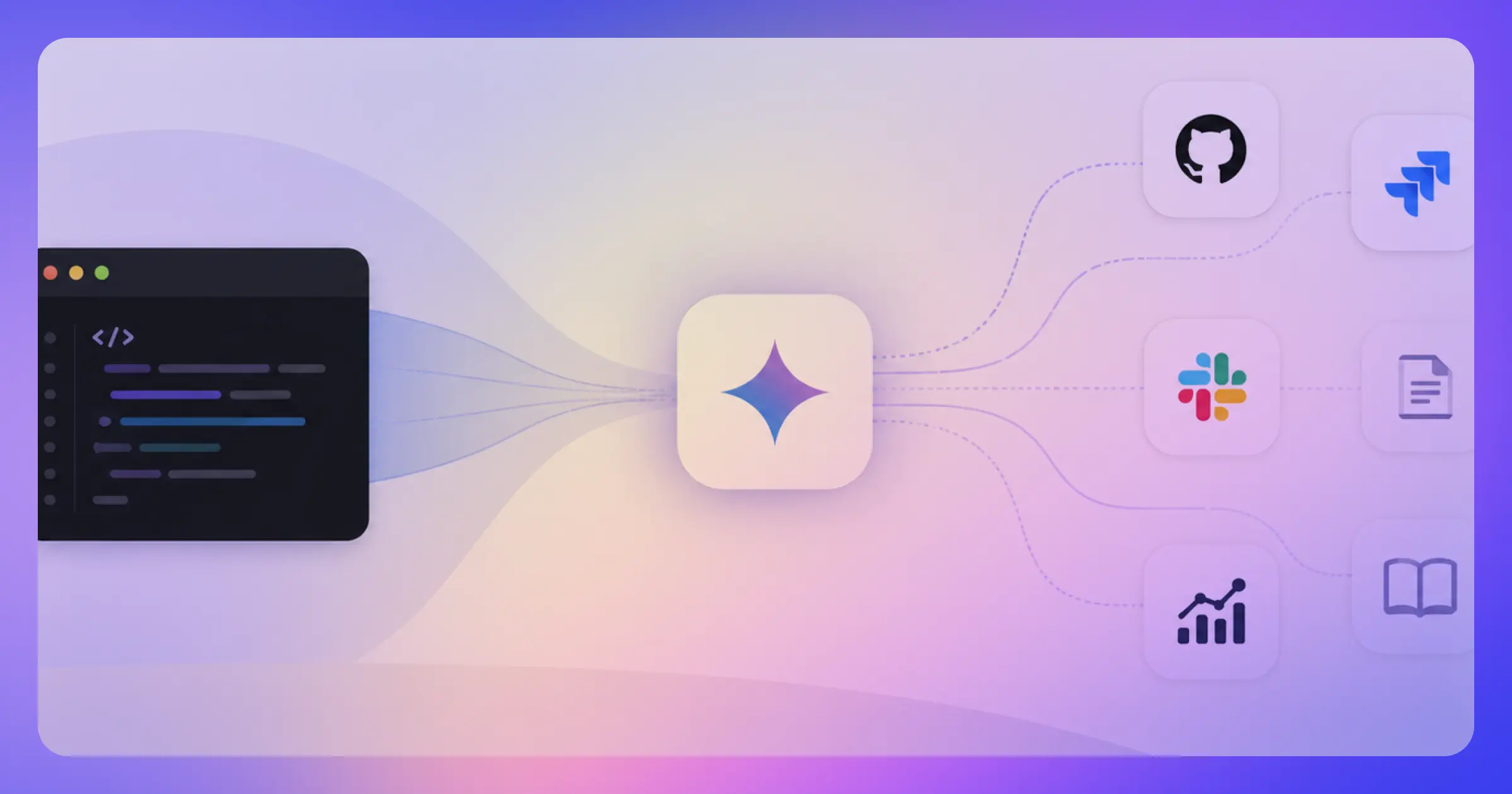
This post introduces the 'two-layer model' for AI in software engineering, comprising coding surfaces and a shared context layer. It argues that the bottleneck has shifted from code creation to context assembly, leading to an 'AI productivity paradox' characterized by outcome, trust, and safety gaps. The post highlights how a dedicated context layer, like Glean's, connects to core engineering systems (GitHub, Jira, Slack, etc.) to build a permission-aware enterprise graph. This context layer enables AI tools to provide engineers with relevant information for onboarding, daily coding, and incident management, thereby improving efficiency and reducing rework. It emphasizes the importance of trust, governance, and explainability, and proposes a four-question rubric for evaluating AI tools.
More from the Agent Orchestration Platform trail
- AI Agents for Financial Compliance: How Enterprise AI Is Solving the Regulatory Reporting Challenge
- From enterprise search to enterprise context: what AI agents actually need
- Scale AI usage without runaway spend with Glean’s AI usage controls
- Glean Agents can now work independently, build faster, and stay governed at scale
- Glean expands horizontal, agent platform with open agent interoperability, dozens of personal and business agents, and comprehensive AI security