Blogs
GitHub logo

GitHub

Engineering blog · github.blog/engineering

149posts1this week0watchers

Feature trails

57
Feature trailActive

Sharding And Partitioning

This feature thread tracks the evolution of partitioning GitHub's relational databases to handle scale. Initially, GitHub.com relied on a single large MySQL database cluster. Over time, the company introduced strategies like virtual partitions, schema domains, and SQL linters to logically separate data. For physical migration, they adopted Vitess for vertical sharding and developed a custom write-cutover process using MySQL replication and ProxySQL. These efforts have resulted in significant load distribution and improved availability. The current focus is on adapting Git infrastructure to support agent-scale development, which demands a different architecture due to concurrent workloads from developers and agents in high-volume repositories.

2 posts · 2021–2026

Timeline
20212026
Feature trailActive

Frontend JavaScript Dependency Management

This feature thread tracks the evolution of managing JavaScript dependencies in frontend development, focusing on reducing reliance on external libraries and adopting modern web standards. It covers the journey from early adoption of libraries like jQuery to a complete decoupling, leveraging native browser APIs and Web Components for a leaner, more performant, and maintainable frontend. The thread also encompasses strategies for incremental migration, automated code quality enforcement, and the adoption of CSS Modules to replace CSS-in-JS solutions, significantly improving server-side rendering performance and component initialization times.

2 posts · 2018–2026

Timeline

20182026
Feature trailActive

Pull Request Files Changed Performance

This feature thread tracks the evolution of the Pull Request 'Files changed' tab performance. Initially, the focus was on general responsiveness. This post details significant optimizations for rendering diff lines, reducing DOM node counts, memory usage, and improving Interaction to Next Paint (INP) scores, especially for large pull requests. It introduced strategies like focused diff-line optimizations, graceful degradation with virtualization, and foundational rendering improvements. The v2 release of the 'Files changed' tab introduced a new architecture to handle extremely large pull requests by splitting the document's height into deterministic code geometry and dynamic block geometry, with a sophisticated measurement scheduler and scroll anchoring to maintain responsiveness.

4 posts · 2016–2026

Timeline

…20172026
Feature trailActive

AI-Assisted Code Development and Review

This feature thread tracks the evolution of how AI is integrated into the software development lifecycle. Initially, the focus was on AI's potential to accelerate code writing. This post details improvements to CodeQL's use of custom query packs for enhanced security analysis within GitHub's codebase. It covers the challenges of managing dependencies, publishing query packs to GitHub Container Registry (GCR) for faster iteration, and configuring repositories to leverage these custom packs for improved security auditing and variant analysis.

10 posts · 2017–2026

Timeline

20172026
Feature trailActive

Automated Accessibility Checks for Alt Text

This feature thread tracks the evolution of automated accessibility checks, specifically focusing on improving the quality and effectiveness of alt text for images. Initially, the focus was on basic checks for the presence of alt text. This post details the development of an alt text plugin for the GitHub Accessibility Scanner, introducing deterministic rules for identifying common alt text issues (e.g., filenames, placeholders, generic descriptions, repetition) and an opt-in, model-backed rule. The team also developed a one-dimensional drag-and-drop component with enhanced accessibility features, addressing challenges with screen reader navigation, NVDA event simulation, rapid movement announcements, first-time user experience, and voice control in scrollable containers. This includes the strategic use of `role='application'`, dual HTML elements for keyboard/mouse events, debounced `aria-live` announcements with `aria-live='assertive'`, an instructional dialog for keyboard users, and a 'move dialog' for voice control users.

1 post · 2024–2026

Timeline
20242026
Feature trailActive

GitHub Copilot SDK for Java

This feature thread tracks the evolution of the GitHub Copilot SDK for Java, enabling Java developers to integrate AI capabilities into their enterprise applications in a framework-agnostic and AI-vendor-neutral manner. This post introduces the SDK, detailing its core features such as creating Copilot agent sessions, registering tools via annotations or lambdas, sending prompts, and receiving structured responses. It highlights the use of virtual threads for efficient agent processing and real-time UI updates via WebSockets.

1 post · 2026

Timeline
Feature trailActive

Agentic Workflows for Cross-Repo Automation

This feature thread tracks the evolution of using agentic workflows to automate cross-repository tasks. Initially, the focus was on enabling AI to assist in code development and review. This post details the implementation of IssueOps, a methodology that leverages GitHub Issues, GitHub Actions, and pull requests as an interface for automating workflows. This allows for event-driven automation of tasks like CI/CD pipelines, approvals, and deployments directly from GitHub Issues, treating issues as a state machine for workflow management.
4 posts · 2025–2026

Timeline
20252026
Feature trailActive

Dependabot Configuration and Optimization

This feature thread tracks the evolution of Dependabot's capabilities and how engineers configure it to manage dependency updates effectively. Initially, the focus was on basic version bumping. This post details improvements to Dependabot's configuration to reduce noise and improve efficiency by introducing grouping of updates into monthly batches per ecosystem, and leveraging a default package cooldown period before issuing version updates. It also covers consolidating updates across multiple directories in monorepos and ensuring all relevant package ecosystems are configured.

3 posts · 2019–2026

Timeline

20192026
Feature trailActive

Client-side Caching for Issues Navigation

This feature thread tracks the evolution of client-side caching strategies to improve the perceived performance of GitHub Issues navigation. Initially, the focus was on reducing latency for common navigation paths. This post details the implementation of a client-side caching layer backed by IndexedDB, a preheating strategy to improve cache hit rates, and the use of a service worker to maintain cache usability across navigations. The goal is to render issue pages instantly from local data and revalidate in the background, significantly improving the user experience by reducing context switching and making 'fast' the default path for the majority of sessions.

2 posts · 2021–2026

Timeline

20212026
Feature trailActive

eBPF for Deployment Safety

This feature thread tracks the evolution of using eBPF to enhance deployment safety by preventing circular dependencies. Initially, the focus was on identifying and mitigating direct, hidden, and transient dependencies that could halt deployments. This post details the implementation of eBPF programs to selectively monitor and block network egress from deployment scripts, including DNS queries, and correlate blocked requests with the originating process. It covers using `BPF_PROG_TYPE_CGROUP_SKB` and `BPF_PROG_TYPE_CGROUP_SOCK_ADDR` to intercept and redirect DNS queries to a userspace proxy for blocklist evaluation, and capturing Process IDs to correlate blocked requests with specific commands.

1 post · 2026

Timeline

Feature trailActive

High Availability Search Architecture for GitHub Enterprise Server

This feature thread tracks the evolution of GitHub's distributed systems for storing and replicating Git repositories, focusing on improving robustness, speed, and flexibility. Initially, GitHub used DRBD for block-level replication, which was sensitive to latency and required replicas to be co-located. The development of DGit (now Spokes) introduced application-level replication, enabling wider geographical distribution of replicas and improved availability through automatic healing and load balancing. This post details the implementation of HAProxy for load balancing MySQL replicas, making the pools context-aware by allowing backend MySQL hosts to signal their inclusion status based on replication lag, server role, and maintenance status. It introduces a graceful failover mechanism using multiple backend pools and ACLs to ensure continuous service availability by switching to a backup pool with lagging replicas when the primary pool has insufficient capacity. The HTTP service for checks is implemented using xinetd and shell scripts, enabling dynamic decision-making without frequent HAProxy configuration changes.

9 posts · 2015–2026

Timeline

…20172026
Feature trailActive

Animated ASCII Banners for CLI

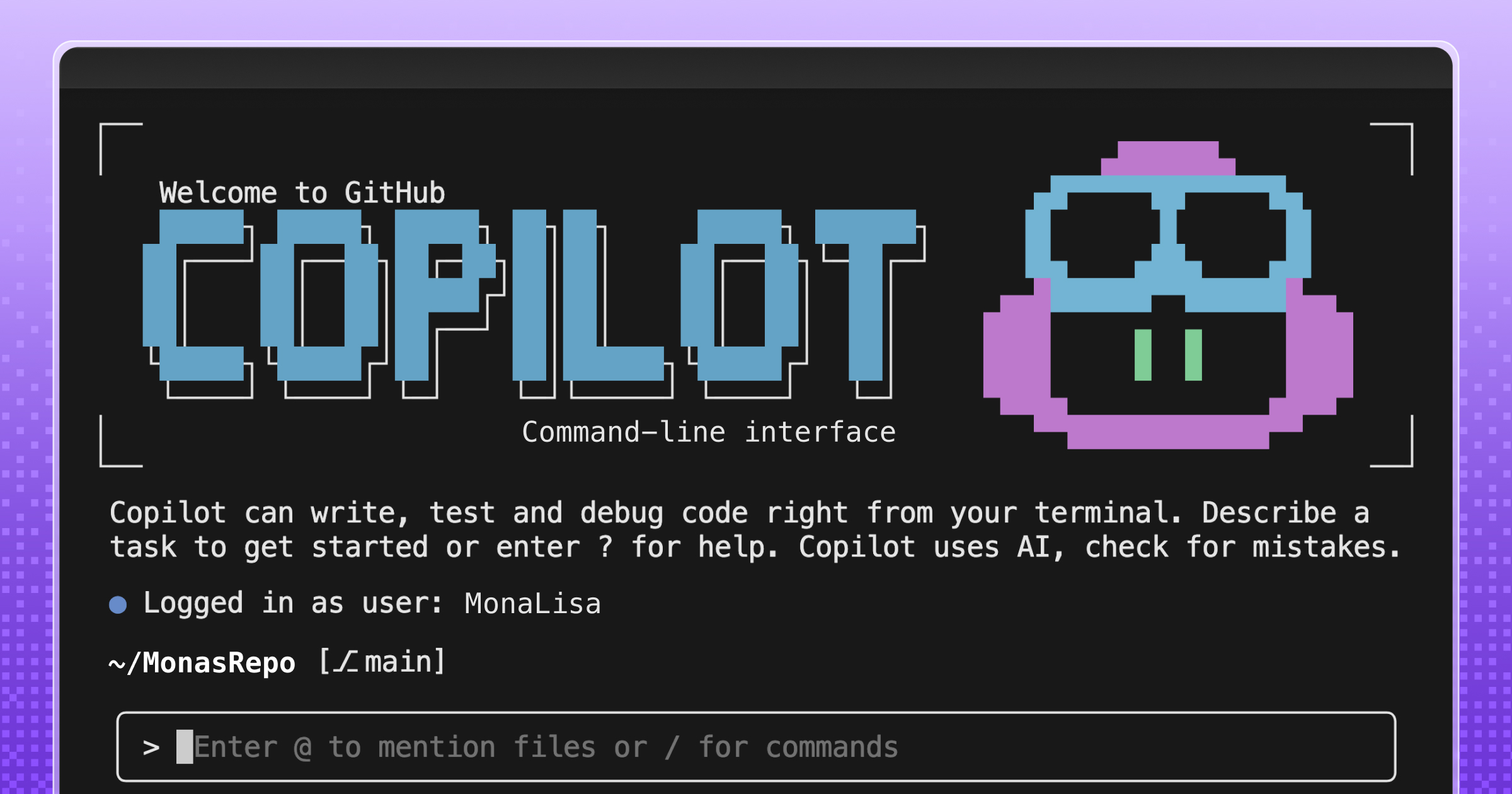
This feature thread tracks the evolution of creating animated ASCII banners for command-line interfaces (CLIs). Initially, the focus was on the technical challenges of rendering dynamic text-based graphics in highly constrained terminal environments. This post details the engineering effort behind GitHub Copilot CLI's animated banner, highlighting the complexities of terminal inconsistencies, ANSI color handling, accessibility considerations, and the development of custom tooling to bridge the gap between design and CLI engineering. The evolution includes building a custom ASCII animation editor, mapping semantic color roles to ANSI codes for graceful degradation, and integrating with Ink (React for the terminal) for rendering.

2 posts · 2026

Timeline

Feature trailActive

Defense System Lifecycle Management

This feature thread tracks the evolution of managing defense systems, including rate limits and traffic controls, to ensure they remain effective and do not inadvertently block legitimate users. Initially, the focus was on building these defenses. This post details the development and open-sourcing of synsanity, an iptables module for Linux 3.x that mitigates SYN flood attacks by generating SYN cookies outside the kernel's LISTEN socket lock, allowing for multi-processor utilization during attac. The thread now also covers the lifecycle management of these protections, emphasizing their temporary nature, the need for active maintenance, and improved observability to prevent outdated rules from blocking legitimate traffic.

7 posts · 2016–2026

Timeline

…20172026
Feature trailCooling

Post-quantum SSH security for Git access

This feature thread tracks the evolution of securing Git access over SSH, specifically focusing on adopting post-quantum cryptography and enhancing security key integration to protect against future decryption attacks and unauthorized access. Initially, the focus was on current SSH security standards and the introduction of security keys for Git operations. This post details the deprecation and eventual disablement of TLSv1/TLS1.1 for HTTPS connections and diffie-hellman-group1-sha1/diffie-hellman-group14-sha1 key exchange algorithms, and the introduction of a hybrid post-quantum key exchange algorithm (`sntrup761x25519-sha512`) for SSH connections to protect against future quantum computing threats.

5 posts · 2017–2025

Timeline

20172026
Feature trailCooling

Platform Problem Solving and Domain Understanding

This feature thread tracks the evolution of how engineers tackle platform problems, emphasizing domain understanding, bridging concepts to platform-specific skills (networks, OS, IaC, distributed systems), knowledge sharing, understanding impact radius, and robust testing strategies for platform changes. It highlights the shift from product engineering to platform engineering and the unique challenges and best practices associated with the latter, particularly concerning services like DNS. The post details the importance of understanding domain, bridging concepts to platform-specific skills like networking, OS, IaC, and distributed systems, and emphasizes knowledge sharing. It also delves into the impact radius of platform changes and robust testing strategies, including IaC, E2E testing, and self-healing mechanisms.

5 posts · 2017–2025

Timeline

20172026
Feature trailCooling

Design System Annotations

This feature thread tracks the evolution of design system annotations, focusing on how to enrich components with contextual information beyond visual design and code properties. This post details advanced methods for creating 'Preset annotations' for design system components, including prioritizing components, mapping out necessary properties by cross-referencing documentation, code demos, and Figma assets, and integrating learnings about maintenance and potential automation. It also addresses the problem of accessible design system components producing inaccessible designs by demonstrating the integration of annotations with Primer components to streamline the annotation process, increase design system adoption, and reach teams without dedicated accessibility support. The next post will detail how to implement this for other components.

8 posts · 2018–2025

Timeline

20182026
Feature trailCooling

GitHub CLI Accessibility Improvements

This feature thread tracks the evolution of making the GitHub CLI accessible to all developers. Initially, the focus was on basic CLI functionality. This post details significant improvements for users relying on screen readers, high contrast, and customizable color options. It covers the adoption of the `charmbracelet/huh` prompting library for better screen reader interaction, replacing visual spinners with static text progress indicators, and aligning color palettes to 4-bit ANSI colors to re

2 posts · 2023–2025

Timeline

20232026
Feature trailCooling

Sub-issues for Issue Management

This feature thread tracks the evolution of GitHub Issues, focusing on enhancing issue management capabilities. Initially, issues provided a flexible way to track bugs and plan features. Over time, tools like labels, milestones, and task lists were added. This post details the introduction of 'sub-issues,' a new hierarchical structure allowing users to break down larger issues into smaller, manageable tasks within a single issue. This enables better progress tracking, dependency management, and roll-up of completion status. The implementation uses a dedicated sub-issues table for relationships and a sub-issue list table for aggregated progress, exposed via GraphQL and built with React. Early feedback led to the inclusion of issue number and repository name in the sub-issue list.

1 post · 2025

Timeline

20252026
Feature trailCooling

CPU Performance Under Load

This feature thread tracks the evolution of understanding and optimizing system performance under varying CPU utilization. Initially, the focus was on observing the correlation between high CPU utilization and increased latency. This post details experiments using the Large Unicorn Collider (LUC) environment to measure CPU time per request and latency percentage increases across different instance types as CPU utilization rises. It explores the impact of CPU frequency changes due to Turbo Boost, the effect of Hyper-Threading, and the identification of an optimal CPU utilization threshold (the "Golden Ratio") to balance efficiency and performance. An outlier case involving a disabled CPU C-state and its resolution is also discussed, leading to more consistent performance across instances.

1 post · 2024

Timeline

20242026
Feature trailCooling

Storybook Interaction Accessibility Controls

This feature thread tracks the evolution of making Storybook more accessible, specifically focusing on user interaction controls. Initially, Storybook Interactions could be disorienting and ignored user motion preferences. This post details the development of a custom Storybook addon that allows users to toggle interactions on or off, respecting the OS-level `prefers-reduced-motion` setting by default. This ensures a more inclusive experience for users sensitive to motion. The team also added functionality to check user preferences and ensure interactions are off by default for users with reduced motion enabled.

2 posts · 2024

Timeline

20242026
Feature trailQuiet since 2024

Data Residency for GitHub Enterprise Cloud

This feature thread tracks the evolution of data residency for GitHub Enterprise Cloud, allowing organizations to store their code and repository data in a preferred geographical region. The architecture extends Enterprise Cloud as a feature set, leveraging Microsoft Azure for hosting and maintaining consistency with github.com. The development process utilized GitHub Issues and Projects for organization, GitHub Codespaces for development, and GitHub Actions for CI/CD, including a deploy-then-merge strategy. This post details the initial launch of data residency for GitHub Enterprise Cloud, allowing organizations to store their code and repository data in a preferred geographical region. The architecture extends Enterprise Cloud as a feature set, leveraging Microsoft Azure for hosting and maintaining consistency with github.com. The development process utilized GitHub Issues and Projects for organization, GitHub Codespaces for development, and GitHub Actions for CI/CD, including a deploy-then-merge strategy.

1 post · 2024

Timeline

20242026
Feature trailQuiet since 2024

Iterative Simplification for Availability

This feature thread tracks the evolution of improving system availability through iterative simplification and performance optimization. Initially, the focus was on addressing specific performance bottlenecks and removing unused code. This post details the application of tools like Datadog, Splunk, Scientist, and Flipper to identify and resolve slow database queries, optimize redirect endpoints by removing unnecessary access checks, and generally improve performance and reliability through controlled rollouts and iterative code improvements.

1 post · 2024

Timeline

20242026
Feature trailQuiet since 2024

GitHub.com Deployment System

This feature thread tracks the evolution of GitHub.com's deployment system. Initially, the focus was on establishing a robust workflow for deploying code from pull request branches to production, incorporating automated checks and visibility through chat. This post details improvements to the orchestration framework by storing state history in a separate table for incremental reads/writes, reducing CPU consumption for orchestrations. It also details reducing postback load by only sending step data for completed steps. The overall goal is to improve the reliability and efficiency of push processing by decoupling the monolithic `RepositoryPushJob` into smaller, independent, and parallelized background jobs triggered by Kafka events.

14 posts · 2015–2024

Timeline

…20172026
Feature trailQuiet since 2024

iOS App CI/CD Optimization

This feature thread tracks the evolution of optimizing CI/CD for the GitHub iOS app. Initially, the focus was on reducing monolithic build and test times. This post details the significant reduction in testing time by leveraging Apple silicon (M1 macOS runners) and breaking down the test suite into independent jobs for each module. This resulted in a 60% reduction in testing time, from 38 minutes to 15 minutes, and enabled faster feedback loops for developers. The team also analyzed CI performance and divided each module's CI into two separate steps, build and test, using xcodebuild's build-without-testing and test-without-building.

1 post · 2024

Timeline

20242026
Feature trailQuiet since 2024

GitHub Codespaces for npm Registry Services Development

This feature thread tracks the evolution of GitHub Codespaces and its adoption for various development workflows. Initially, the focus was on providing reproducible development environments. This post details the adoption of GitHub Codespaces by the npm engineering team for developing npm registry services. It highlights how Codespaces reduced the friction of the inner development loop by simplifying local multi-service testing and enabling cross-service debugging with breakpoints. The adoption by the GitHub.com engineering team further solidified Codespaces as a core development environment, significantly reducing setup and bootstrap times from 45 minutes to 10 seconds through techniques like shallow cloning, Docker image caching, and prebuilds. This shift also provided leverage for further optimizations, such as upgrading VM specs and streamlining internal review processes.

4 posts · 2021–2024

Timeline

20212026
Feature trailQuiet since 2023

MySQL Performance Optimization with TCMalloc

This feature thread tracks the evolution of optimizing MySQL performance. Initially, the focus was on addressing rising query times. This post details the successful migration from stock malloc to TCMalloc to reduce lock contention in threaded applications, resulting in a 30% improvement in query performance and a significant decline in thread contention. This post further details the use of MySQL's Performance Schema, specifically `table_io_waits_summary_by_index` and `events_statements_summary` to diagnose performance issues. The upgrade to MySQL 8.0 involved a complex, year-long process of preparing infrastructure, ensuring application compatibility through CI and Codespaces, and executing a gradual, multi-step upgrade plan that prioritized rollback capabilities. Key challenges included managing Vitess clusters, addressing replication delay, and overcoming compatibility issues related to character collations and role management between MySQL 5.7 and 8.0.

3 posts · 2013–2023

Timeline

…20172026
Feature trailQuiet since 2023

Git Performance Monitoring with OpenTelemetry

This feature thread tracks the evolution of understanding and improving Git performance, particularly for large monorepos. Initially, the focus was on making Git easier to work with in gigantic repositories. This post introduces the adoption of OpenTelemetry for standardized telemetry usage across GitHub, focusing on tracing as the primary entry point for observability. It details the use of OpenTelemetry SDKs and helper libraries to simplify instrumentation, enable automatic correlation of signals (metrics, traces, logs, errors), and improve the developer experience for observability. The team is contributing to the OpenTelemetry project and plans to expand focus to logging and metrics.

3 posts · 2021–2023

Timeline

20212026
Feature trailQuiet since 2023

Git Merge Strategy Optimization

This feature thread tracks the evolution of Git merge strategies and their implementation in production systems. Initially, GitHub used a custom shell script workaround based on `git-merge-resolve` for bare repositories, which had performance and complexity drawbacks. This post details the transition to using `merge-ort` for both merges and rebases, leveraging `git-replay` for rebases. The new implementation significantly improves performance and correctness, addressing issues with merge base selection and eliminating the need for a working directory. Future work includes applying `merge-ort` to squashing and reverting operations.

2 posts · 2015–2023

Timeline

…20172026
Feature trailQuiet since 2022

Build Time Cost Analysis

This feature thread tracks the evolution of understanding and optimizing build times and their associated costs. Initially, the focus was on the direct time taken for builds. This post details an experiment to quantify the hidden costs of slow build times by comparing compute costs with developer productivity losses due to waiting or context switching. It highlights that investing in more powerful hardware is often more cost-effective than the labor cost of waiting developers.

1 post · 2022

Timeline

20222026
Feature trailQuiet since 2022

ActiveRecord column encryption migration

This feature thread tracks the evolution of encrypting sensitive database columns using ActiveRecord. Initially, the focus was on designing a paved path for easy-to-use column encryption. This post details the migration strategy for converting existing plaintext or previously encrypted data to the new ActiveRecord encryption standard, including handling key rotation and the use of a previous encryptor strategy and feature flags for safe rollout. It also introduces the MaintenanceTasks gem for better management.

2 posts · 2022

Timeline

20222026
Feature trailQuiet since 2022

Git Garbage Collection Optimization

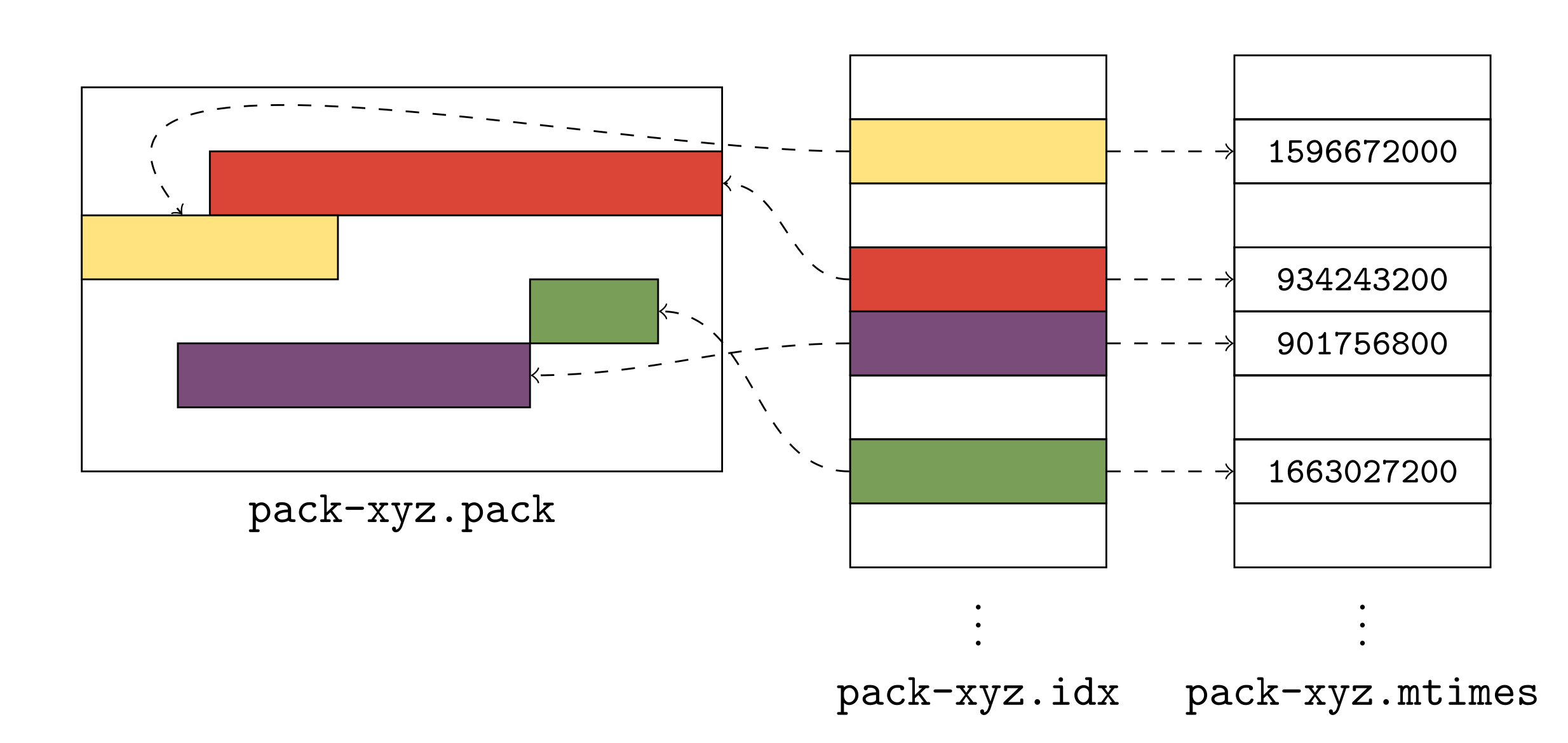
This feature thread tracks the evolution of optimizing Git's garbage collection process, particularly for large repositories and the challenges of managing unreachable objects. Initially, the focus was on the basic `git gc` command and its pruning behavior. This post details the development of 'cruft packs' to address issues with storing loose unreachable objects and the race conditions that can occur during object deletion. It also covers the contribution of these improvements upstream to the Git project.

1 post · 2022

Timeline

20222026
Feature trailQuiet since 2022

Standardized Project Scripting

This feature thread tracks the evolution of standardizing project scripting conventions to streamline the developer experience. Initially, the focus was on establishing common script names for bootstrapping, testing, and running applications across all GitHub projects. This post details the use of GitHub CLI to capture different GitHub workflows by leveraging plain text as a universal interface, enabling customization through aliases and pagers, combining `gh` with other tools like fzf, and using `gh` within GitHub Actions and for API interactions.

5 posts · 2015–2022

Timeline

…20172026
Feature trailQuiet since 2022

Browser Syntax Evolution and Support

This feature thread tracks the evolution of how GitHub manages browser support and leverages modern JavaScript syntax for performance improvements. Initially, the focus was on shipping native ES2019 code and understanding browser usage patterns. This post details the plan to serve JavaScript using ECMAScript 2020 syntax (optional chaining, nullish coalescing) for a 10kb reduction, and introduces the open-sourced browser support library. It also provides detailed data on customer browser usage, informing decisions on testing, static analysis, and feature shipping.

1 post · 2022

Timeline

20222026
Feature trailQuiet since 2021

Standardized Development Environments for Interviews

This feature thread tracks the evolution of standardizing development environments to improve the efficiency and fairness of technical interviews. Initially, teams struggled with inconsistent and outdated local development setups, leading to candidates spending excessive time on environment configuration rather than technical problem-solving. This post details the adoption of GitHub Codespaces to provide a consistent, pre-configured, cloud-based development environment for technical interviews. This approach eliminates environment setup as a barrier, levels the playing field for candidates regardless of their local setup, and allows interviewers to focus on assessing core technical skills and pairing abilities. The implementation involves containerizing the application and its dependencies, enabling quick spin-up of identical environments for each candidate, and supporting both web-based and desktop VS Code experiences.

1 post · 2021

Timeline

20212026
Feature trailQuiet since 2021

ChatOps for Incident Response

This feature thread tracks the evolution of using ChatOps to enhance incident response and on-call engineering. Initially, ChatOps were used for basic collaboration and command execution. This post details the expansion of ChatOps to automate common incident investigation and remediation tasks, codifying domain expert knowledge into reusable commands. This includes querying log aggregation tools (Kusto, Splunk), searching documentation and playbooks, and automating database health checks and anomaly detection. The goal is to accelerate incident diagnosis and mitigation, transforming static playbooks into living, evolving tools.

1 post · 2021

Timeline

20212026
Feature trailQuiet since 2021

Feature Flagging System

This post details the initial implementation and benefits of using feature flags at GitHub to reduce deployment risk, enable incremental development of new features, and facilitate various shipping strategies. It covers how feature flags isolate risk, allow for rapid disabling of problematic changes, and support continuous integration by enabling work on features without long-lived branches. The post also touches on testing strategies and the administration of feature flags through a web UI.

1 post · 2021

Timeline

20212026
Feature trailQuiet since 2021

Authentication Token Format Security

This feature thread tracks the evolution of authentication token formats to enhance security and identifiability. Initially, tokens were hex-encoded 40-character strings with limitations for secret scanning. This post details the introduction of identifiable prefixes (ghp, gho, ghu, ghs, ghr) with an underscore separator, a checksum for offline verification, and increased token entropy. These changes aim to significantly reduce false positives in secret scanning and improve overall token security. The previous iteration focused on extending scanning to cloud provider tokens and unencrypted SSH keys, replacing assembly-based Git patches with a Go scanner leveraging the Hyperscan library for improved performance and extensibility.

3 posts · 2018–2021

Timeline

20182026
Feature trailQuiet since 2020

Homepage Globe Data Pipeline

This feature thread tracks the evolution of the data pipeline and processing for the GitHub homepage's global community visualization. Initially, the focus was on collecting and displaying real-time data for a 3D globe. This post details the data goals, querying strategies using a data warehouse with Presto and Kafka, surfacing interesting data via repository health scores, and geocoding user-provided locations using Mapbox's API. It also touches on the scheduling of these tasks with Airflow. Subsequent posts in this thread have detailed the rendering of the globe using WebGL and three.js, performance optimizations for perceived speed, and the creative constraints imposed by performance requirements.

2 posts · 2020

Timeline

20202026
Feature trailQuiet since 2020

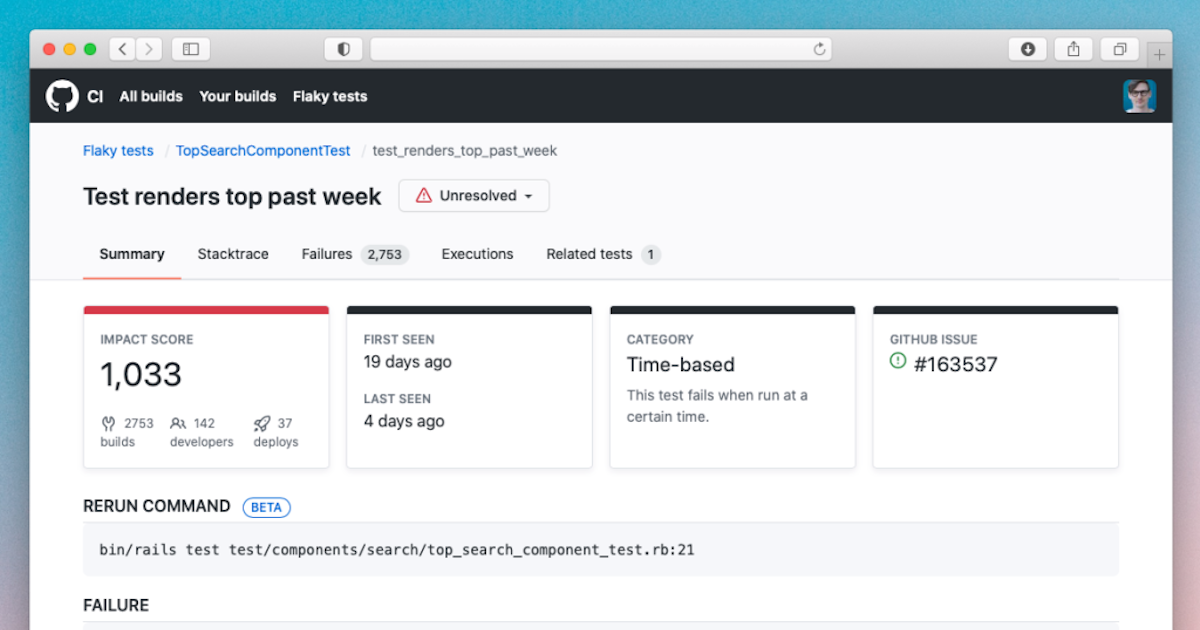
Flaky Test Management System

This feature thread tracks the evolution of managing flaky tests in CI systems. Initially, flaky tests caused significant delays and frustration, with a high percentage of commits affected. This post details the development and implementation of an automated system to detect, contain, and prioritize the investigation of flaky tests. The system identifies flaky tests by rerunning them in different scenarios (same process, shifted into the future, different host) and assigns issues to the most likely author based on failure history and git blame. This has led to a dramatic reduction in the impact of flaky tests on deployment velocity.

1 post · 2020

Timeline

20202026
Feature trailQuiet since 2020

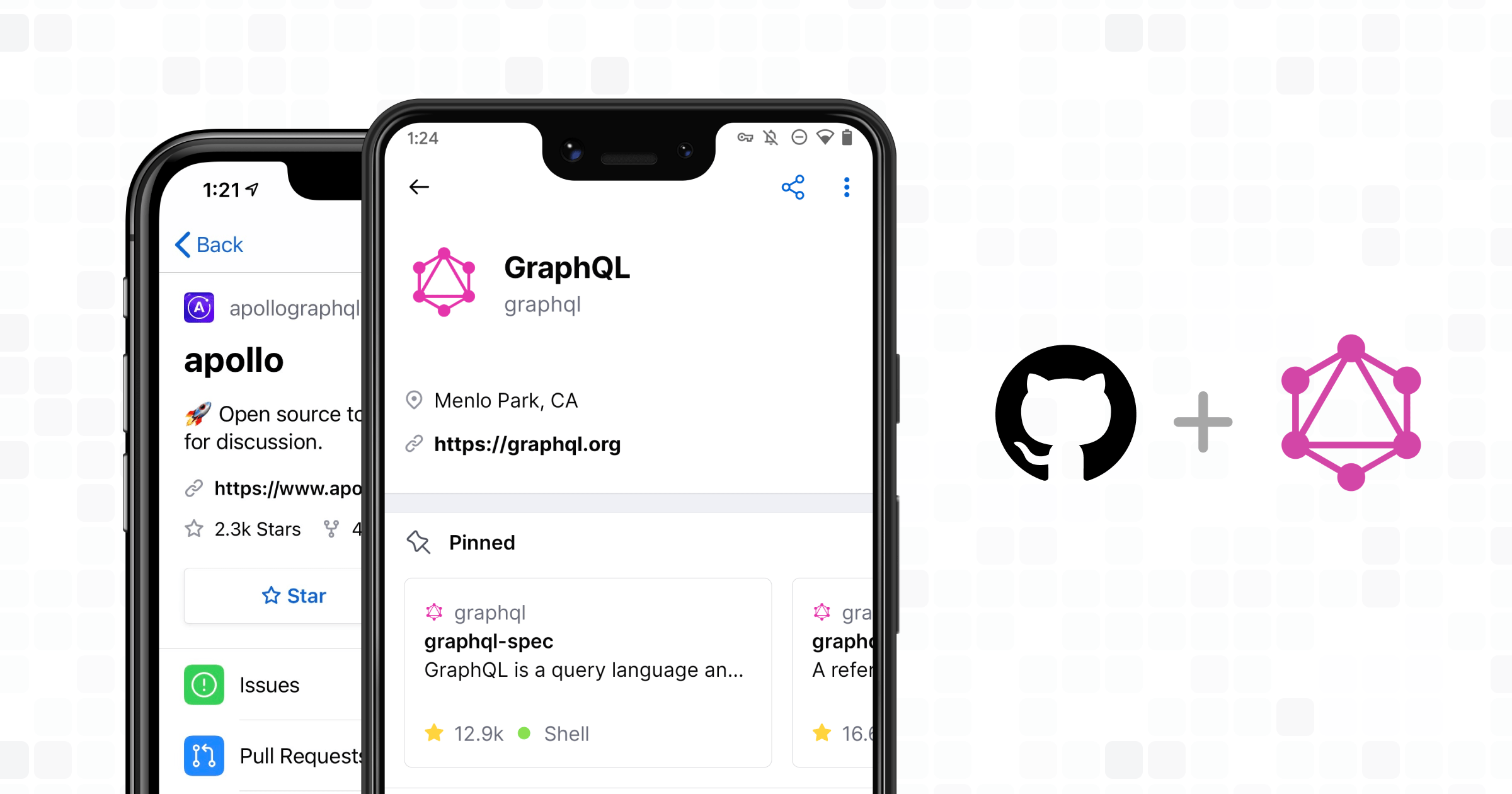
Mobile GraphQL Integration

This feature thread tracks the evolution of integrating GraphQL into mobile applications to improve development efficiency and API interaction. Initially, the focus was on leveraging GraphQL for new features. This post details the adoption of Apollo for iOS and Android, enabling faster development, reduced engineering effort on networking, and eliminating over-fetching. It highlights the shift from a REST mindset to a GraphQL mindset, emphasizing types over endpoints, and the benefits of code generation for static types and reusable fragments for API consistency. Platform differences between iOS and Android implementations of Apollo are also discussed.

1 post · 2020

Timeline

20202026
Feature trailQuiet since 2020

Ruby Version Upgrades

This feature thread tracks the evolution of upgrading GitHub's core Ruby version to improve performance, maintainability, and leverage new language features. This post details the successful production deployment of GitHub on Rails 5.2.1, achieved through an iterative upgrade process that allowed for dual booting and incremental rollouts. The team also focused on addressing technical debt and contributing tooling upstream.

4 posts · 2018–2020

Timeline

20182026
Feature trailQuiet since 2020

CodeGen for Language Support

This feature thread tracks the evolution of GitHub's language support system for code analysis. Initially, adding new languages was a difficult and costly process requiring manual grammar writing and complex parsing pipelines. The introduction of CodeGen automates a significant portion of this pipeline, dramatically reducing the cost and effort required to add support for new programming languages, thereby enabling broader code analysis capabilities across GitHub.

1 post · 2020

Timeline

20202026
Feature trailQuiet since 2020

Unified Documentation Platform

This feature thread tracks the evolution of GitHub's documentation platform, moving from disparate static sites to a unified, dynamic system. The initial focus was on consolidating content from help.github.com and developer.github.com into a single, modern experience. This involved building a custom dynamic backend to support features like internationalization, product-centric content organization, and autogenerated API documentation. The platform now serves as a scalable foundation for all GitHub product documentation, enabling easier contribution, versioning, and multilingual support.

1 post · 2020

Timeline

20202026
Feature trailQuiet since 2020

Go MySQL Driver Bug Fixes

This feature thread tracks the evolution of addressing critical bugs and performance issues within the Go MySQL driver, particularly as it's used in production systems like GitHub's authorization service. It covers identifying and fixing elusive bugs like 'Invalid connection (unexpected EOF)' and improving connection handling under challenging network conditions.

1 post · 2020

Timeline

20202026
Feature trailQuiet since 2020

Octokit JavaScript SDK Evolution

This feature thread tracks the evolution of the Octokit JavaScript SDK, focusing on its decomposition into smaller, reusable modules, improved maintainability, and enhanced developer experience. The evolution includes migrating from a monolithic structure to a plugin-based architecture, automating API definition updates, and leveraging TypeScript for better code validation and reduced bundle sizes. The goal is to provide a flexible and efficient SDK for interacting with GitHub's APIs across various JavaScript environments.

1 post · 2020

Timeline

20202026
Feature trailQuiet since 2019

Kubernetes Network Stall Debugging

This feature thread tracks the evolution of debugging and resolving network performance issues within Kubernetes environments. Initially, the focus was on identifying sporadic latency in services running on Kubernetes. This post details the systematic debugging process to pinpoint network stalls, ruling out application-level issues and progressively isolating the problem to the interaction between Kubernetes nodes and the underlying network infrastructure. It covers the use of tools like Vegeta and the selection of Calico as the network provider. The migration of github.com and api.github.com to Kubernetes clusters on the metal cloud is a significant milestone, involving the setup of Kubernetes clusters, deployment tooling, and a review lab for testing pull requests. The effort also included container networking with Calico and manual Kubernetes cluster provisioning.

2 posts · 2017–2019

Timeline

20172026
Feature trailQuiet since 2017

Physical Infrastructure Management

This feature thread tracks the evolution of managing physical infrastructure in a data center environment. Initially, the focus was on the need for on-demand compute resources and the challenges of managing physical hardware. This post details the development of gPanel, a Ruby on Rails application for managing physical components (cabinets, PDUs, chassis, switches, hardware), and automating server provisioning. The system utilizes IPMI, iPXE, Facter, and an Ubuntu PXE image to automate the provisioning process. Subsequent posts would detail further refinements in network connectivity, data center design, and hardware lifecycle management.

2 posts · 2015–2017

Timeline

…20172026
Feature trailQuiet since 2017

Transit and Peering Connectivity

This feature thread tracks the evolution of how GitHub manages its network connectivity, focusing on transit and peering relationships to ensure efficient and reliable request routing. It covers the technical details of BGP, cross-connects, private network interconnects (PNI), and internet exchange points (IXPs), as well as the strategic use of GeoDNS and traffic engineering to optimize performance and availability. The thread also addresses the handling of large-scale events like DDoS attacks. This post details the development of GLB (GitHub Load Balancer), a new load balancing solution designed to run on commodity hardware and scale horizontally. It introduces a stateless director tier using Rendezvous hashing to avoid connection disruption during node failures or maintenance, and a L4/L7 split design to separate traffic direction from connection proxying.

3 posts · 2016–2017

Timeline

…20172026
Feature trailQuiet since 2017

Software-based U2F Authenticator

This feature thread tracks the evolution of user security through two-factor authentication, specifically focusing on the adoption and implementation of Universal 2nd Factor (U2F). Initially, support was added for TOTP-based 2FA, followed by U2F. Due to low U2F adoption, likely caused by the need for physical devices, a software-based U2F authenticator for macOS, Soft U2F, was developed to lower the barrier to entry. This software authenticator emulates a HID device to communicate with U2F-enabled browsers and websites, storing keys in the macOS Keychain.

1 post · 2017

Timeline

20172026
Feature trailQuiet since 2017

MySQL Infrastructure Testing Automation

This feature thread tracks the evolution of automating testing for MySQL infrastructure to ensure reliability and facilitate operations. Initially, the focus was on establishing robust backup and recovery strategies. This post details the implementation of automated backup verification, delayed replicas for safeguard, and a production-like test cluster for continuous failover testing. It also covers the automation of adding new replicas to existing clusters through chat commands. The introduction of Orchestrator further enhances automated master failovers, failure detection, and complex topology management for MySQL clusters across multiple data centers, integrating with chatops for visibility and control.

2 posts · 2016–2017

Timeline

…20172026
Feature trailQuiet since 2017

Electron App Development for Native Teams

This feature thread tracks the evolution of building desktop applications using Electron, particularly for teams with a native development background. It covers the decision-making process, tradeoffs, and development experience of migrating from native codebases to Electron, enabling cross-platform development and leveraging web technologies. The initial focus was on the challenges and benefits of this transition.

1 post · 2017

Timeline

20172026
Feature trailQuiet since 2017

GitHub Flavored Markdown Specification and Implementation

This feature thread tracks the evolution of GitHub Flavored Markdown (GFM), focusing on formalizing its syntax and improving its parsing and rendering implementation. Initially, GFM was built on Sundown with custom extensions. This post details the creation of a formal GFM specification based on CommonMark, the migration of the backend to `cmark` (the CommonMark reference implementation), and the implementation of GFM-specific extensions on top of `cmark`. It also covers the normalization of existing user content to ensure a smooth transition and the eventual application of the new standard to content within Git repositories.

1 post · 2017

Timeline

20172026
Feature trailQuiet since 2017

Content Security Policy Evolution and Defense-in-Depth

This feature thread tracks the evolution of GitHub's security posture beyond Content Security Policy (CSP). Initially, the focus was on establishing a robust CSP to prevent JavaScript execution and mitigate common web vulnerabilities. This post details the ongoing efforts to identify and address CSP bypasses and to implement additional defense-in-depth measures, particularly focusing on mitigating information exfiltration through less obvious vectors like image tags and dangling markup. The thread also covers the evolution of CSP directives and their impact on mitigating specific attack scenarios, including the use of `script-src`, `object-src`, and `img-src` to prevent XSS, scriptless attacks, and data exfiltration.

2 posts · 2016–2017

Timeline

…20172026
Feature trailQuiet since 2016

Octicon SVG Delivery

This post details the initial migration of GitHub's Octicons from icon fonts to SVG, improving rendering quality, accessibility, and authoring ease. The approach involved injecting SVGs directly into the markup via a Rails helper, offering benefits like CSS-based coloring and eliminating FOUC. Future evolution may involve more sophisticated SVG animations and size-specific glyphs.

1 post · 2016

Timeline

…20172026
Feature trailQuiet since 2015

SQL LIKE Clause Injection Prevention

This feature thread tracks the evolution of preventing SQL LIKE clause injection vulnerabilities. Initially, the focus was on identifying and mitigating the performance impact of unsanitized user-provided LIKE clauses. This post details the development of custom Ruby helpers (`like_sanitize`, `with_prefix`, `with_suffix`, `with_substring`) to escape LIKE metacharacters (`%`, `_`) and prevent pathological queries that could lead to Denial of Service (DoS) vectors. It also notes the existence of Rails 4.2's `sanitize_sql_like` helper.

1 post · 2015

Timeline

…20172026