Blogs
Google logo

Google

Engineering blog · developers.googleblog.com

1Kposts5this week0watchers

Feature trails

216
Feature trailActive

Agentic Application Middleware

The Developer Knowledge API ecosystem, including gcloud CLI, an official agent skill, API Explorer, and multi-language client libraries, provides a programmatic source of truth for developer documentation about Google Cloud, Firebase, Android, and more. It replaces brittle web-scraping with a structured API that serves fresh, Markdown-formatted documentation, offering semantic and keyword search, intelligent document chunking, and grounded Q&A capabilities for AI agents, IDE extensions, and auto-generated code. AQuA (Ambient Quality Agent) is introduced as a production quality agent that monitors agent trajectories, clusters failures, and diagnoses root causes, feeding insights back into the inner loop for continuous improvement. It runs unattended, analyzes production traffic, and provides code-anchored insights without impacting agent performance.

96 posts · 2023–2026

Timeline
20232026
Feature trailActive

Coral Edge AI Platform

Google AI Edge expands support for on-device small language models (SLMs) with over a dozen models, including Gemma 3 and Gemma 3n. Gemma 3n is a multimodal SLM supporting text, image, video, and audio inputs. New libraries for Retrieval Augmented Generation (RAG) and Function Calling are introduced, enabling developers to build AI features fully on the edge. Customization through fine-tuning, conversion, and quantization is supported, with new int4 post-training quantization reducing model size. ML Drift is introduced as a high-performance, cross-platform, on-device GPU compute engine for AI/ML inference, abstracting hardware complexities across OpenGL ES, OpenCL, Metal, and WebGPU. It supports tensor virtualization, an extensible custom op framework, 5D tensor support, and stage-aware optimizations for LLMs, enabling peak performance for classical and generative models on edge devices and desktops.

60 posts · 2018–2026

Timeline

20182026
Feature trailActive

JAX Model Evaluation Metrics

The JAX ecosystem continues to evolve with advancements in model building and training, specifically focusing on running Ray workloads on TPUs. This includes improvements in serving large models with Ray Serve and vLLM, efficient data feeding with Ray Data's iter_jax_batches, and distributed training with JaxTrainer. Official TPU Docker images and enhanced dashboard metrics for TPU utilization are now available. Metrax is introduced as a high-performance library for efficient and robust model ev. This post details the acceleration of spatio-temporal attention for video diffusion models on TPUs by implementing sparse attention kernels using JAX and Pallas Splash Attention. It describes the transition from theoretical sparsity to practical end-to-end speedups by optimizing tile traversal strategies, avoiding intra-tile masking, and aligning sparse masks with execution tiles to reduce latency and improve efficiency on TPU v6e chips.

12 posts · 2024–2026

Timeline

20242026
Feature trailActive

Campaign Anomaly Detection

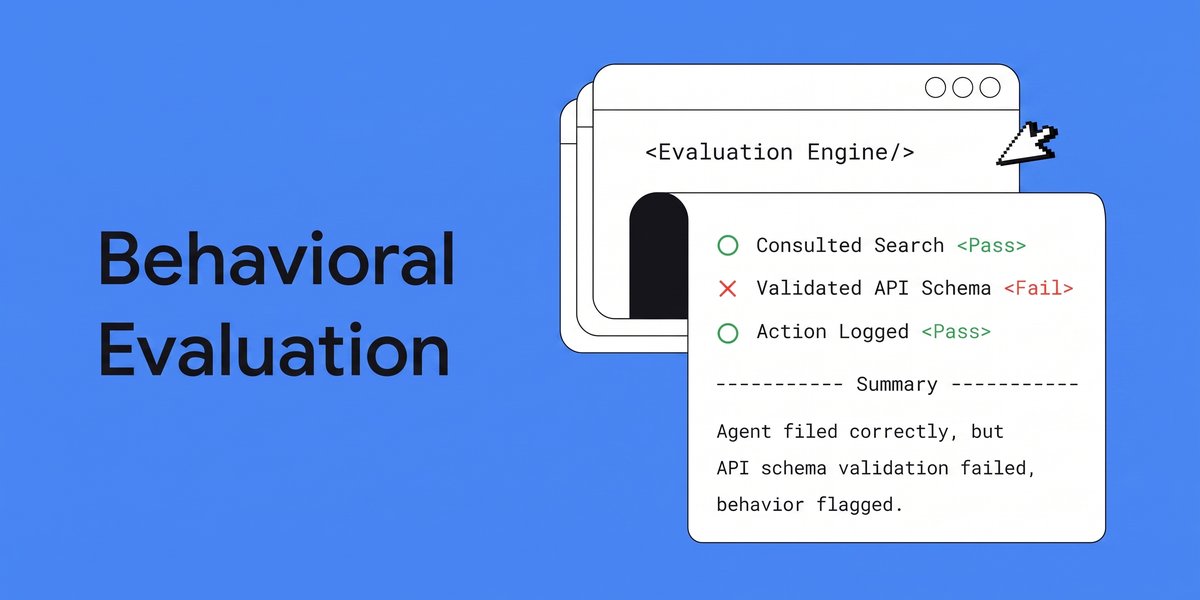
Agent Anomaly Detection is a reasoning-based oversight and audit layer for autonomous agents deployed on the Gemini Enterprise Agent Platform. It examines what an agent actually does using its reasoning traces, tool calls, and execution flow across a session. It reads the logs and OpenTelemetry traces your agents already emit, evaluates that activity to decide whether an agent is operating outside its intended boundaries, and flags behavioral anomalies, suspicious intent, and policy violations. ShieldGemma 2, built on Gemma 3, is a 4 billion (4B) parameter model that checks the safety of your synthetic and natural images against key categories to help you build robust datasets and models. With this addition to the Gemma family of models, researchers and developers can now easily minimize the risk of harmful content in their models across key areas of harm: Sexually explicit content, Dangerous content, Violence. We recommend using ShieldGemma 2 as an input filter to vision language models, or as an output filter of image generation systems. ShieldGemma can be used on both synthetic and natural images.

2 posts · 2022–2026

Timeline

20222026
Feature trailActive

Google Developer Platform

The Google Developer Platform continues to evolve, with a focus on enhancing developer productivity and enabling more sophisticated application capabilities. Recent advancements include the Google Chat API, which now allows Chat apps to create spaces and memberships using their own application identity, enabling more autonomous and sophisticated workflows for incident management, helpdesk support, and workflow automations. This builds upon the existing capabilities of the Chat API for real-time collaboration and messaging.

357 posts · 2005–2026

Timeline
…20172026
Feature trailActive

AI-Assisted Spec-Driven Development

The AI-Assisted Spec-Driven Development feature thread continues to evolve with advancements in multimodal AI models like Gemini. This includes enabling the analysis of complex, non-RGB data like multi-spectral imagery by mapping invisible bands to visible color channels. This allows for direct application of powerful reasoning engines on specialized datasets without requiring custom model training, significantly lowering the barrier to entry for fields like remote sensing, precision agriculture. This thread now also includes detailed microbenchmarking suites for evaluating accelerator performance, such as TPUs, across network, compute, memory, and host transfer metrics. These benchmarks provide granular insights into hardware capabilities, identify bottlenecks using the Roofline model, and guide performance tuning for large-scale AI workloads, including specific optimizations for transformer-based models and hardware-aware architecture co-design.

30 posts · 2024–2026

Timeline
20242026
Feature trailActive

TensorFlow Machine Learning Framework

The TensorFlow ecosystem continues to evolve with advancements in model building and training, specifically focusing on efficient checkpointing strategies for large-scale ML workloads. Continuous checkpointing in Orbax and MaxText optimizes reliability by intelligently initiating asynchronous saves upon completion of the preceding operation, minimizing performance degradation and resource wastage from hardware failures or preemptions. This approach is particularly beneficial for large-scale trai. This post introduces essential debugging and profiling tools for JAX on Cloud TPUs, including libtpu, JAX/jaxlib, verbose logging flags, the TPU Monitoring Library for programmatic insights into hardware performance, and the tpu-info CLI for real-time utilization metrics. It details how to access logs and configure debugging flags across TPU VMs, and provides examples of using the monitoring library and tpu-info.

21 posts · 2016–2026

Timeline

…20172026
Feature trailActive

Google Cloud Datastore

Google Wallet continues to evolve, expanding its capabilities for digital IDs, family access, granular notifications, proximity-based alerts, value-added opportunities, and travel enhancements. New features include support for government-issued digital IDs in more US states and UK passports, the Digital Credentials API for verifiable proof of age/identity, and Family Link integration for kids' access. Granular field update notifications and Nearby Passes notifications offer more engaging user experiences. Value Added Opportunities allow personalized modules within passes. The Pass Upgrade experience prompts users to sign into merchant accounts for linked passes. Auto Linked Passes are expanded for airlines to push boarding passes. Google Transit Insights will support season pass sales linked to tokenized open-loop payment cards. Real-time transit pass updates are now available. Secure Private Images allow passes with user profile photos. The Google Wallet API remains unchanged for the kids' access enhancement.

34 posts · 2008–2026

Timeline

…20172026
Feature trailActive

C2PA Content Credentials Library

Credentio, an open-source C++ library for C2PA Content Credentials, has been introduced to support developers in building high-performance provenance tools. It enables local-first validation for performance, privacy, and scalability, with a small memory footprint. The library focuses on precise validation of Content Credentials, including trust list integration, comprehensive parsing of manifests, assertions, and digital signatures, and detailed verdict reports. Future plans include expanding capabilities to generate Content Credentials and embed them directly into media files.

1 post · 2026

Timeline

Feature trailActive

Confidential Computing and Attested Encryption

Google Cloud's Confidential Computing, specifically Confidential Space and Oak Functions, enables the creation of end-to-end confidential services. This involves hardware-level protection for data during processing, with attestation providing verifiable proof of the environment's integrity and the identity of the running code. Oak Session provides application-level, end-to-end encryption over load-balanced connections, using the Noise framework for a smaller, auditable cryptographic footprint. The GenC open-source project simplifies the use of Confidential Computing with Gemma models for private generative AI applications, enabling hybrid architectures with on-device and cloud-based TEE processing.

4 posts · 2023–2026

Timeline

20232026
Feature trailActive

Go Programming Language and Developer Productivity

The Go programming language continues to evolve as a platform for AI-assisted software engineering. Its emphasis on opinionated simplicity, strong compatibility, a robust end-to-end toolchain (including formatter, test framework, dependency management, and security tools), and a comprehensive standard library makes it ideal for both human developers and AI agents. The language's readability, enforced by tools like `gofmt`, and its static type system, which provides an automated safety net agains

25 posts · 2008–2026

Timeline

…20172026
Feature trailActive

gRPC and RPC Frameworks

gRPC continues to evolve as a robust RPC framework, with ongoing development and support for various platforms and languages. This includes advancements in language-specific implementations like Kotlin for Android and Cloud, as well as broader improvements to the gRPC ecosystem. The beta release of gRPC opens the door for its use in production environments, signifying a move towards wider adoption and stability. The Apigee Extension Processor now enables Apigee's API management capabilities to be extended with custom logic, and Gemini Code Assist is now generally available within Apigee API Management, offering AI-assisted API development through natural language prompts, iterative design, duplicate API detection, and enhanced enterprise context.

20 posts · 2010–2026

Timeline

…20172026
Feature trailActive

Containerization and Orchestration

Google Cloud's containerization and orchestration technologies have evolved to support scalable application deployment and management. Early efforts involved internal exploration of container technologies. Subsequent developments have seen Google's active participation in the open-source community, including the release of Kubernetes and the promotion of Docker. Google Compute Engine has been introduced as a foundational service for building and deploying applications at scale, offering flexible management of API gateways within GKE environments using the APIM Operator for Apigee.

15 posts · 2012–2026

Timeline

…20172026
Feature trailActive

Session-Aware Load Balancing for Real-time AI

Real-time AI systems require a shift in load balancing strategies from traditional request-based metrics to session-aware approaches. This involves tracking active, long-lived conversations and combining this signal with utilization metrics to ensure even distribution and prevent backend bottlenecks. Benchmarking must also evolve to reflect streaming behaviors and session lifecycles. The Gemini Live API enhances this by providing features like longer sessions via context compression, session res. The Multimodal Live API for Gemini 2.0 enables real-time, multimodal interactions with bidirectional streaming, sub-second latency, natural voice conversations, video understanding, tool integration, and steerable voices. It utilizes WebSockets for low-latency, server-to-server communication and supports tools like function calling, code execution, and search grounding.

1 post · 2024–2026

Timeline

20242026
Feature trailActive

Predictive APIs and Machine Learning Integration

The Gemini API continues to evolve with updated production-ready models (Gemini-1.5-Pro-002 and Gemini-1.5-Flash-002), featuring improved quality in math, long context, and vision benchmarks. Pricing for 1.5 Pro has been significantly reduced, and rate limits for both 1.5 Flash and Pro have been increased. Latency has been reduced, and output speed has been increased. Default filter settings are now configurable by developers. An experimental update to Gemini-1.5-Flash-8B is also available. The `logprobs` feature has been officially introduced in the Gemini API on Vertex AI, allowing developers to see the probability scores for the chosen token and its top alternatives, providing insight into the model's reasoning. This feature can be applied to use cases like confident classification, dynamic autocomplete, and quantitative RAG evaluation.

64 posts · 2010–2026

Timeline

…20172026
Feature trailActive

Full-Stack Development Environment

The Full-Stack Development Environment feature thread continues to evolve with advancements in AI-assisted development workflows and cross-platform capabilities. Project IDX offers an AI-powered cloud workspace supporting various frameworks and languages. This post details the integration of VS Code with Gemini Enterprise Agent Platform Workbench, enabling users to manage code and cloud-based notebooks in a single interface, streamlining the ML lifecycle by eliminating context switching and allo. This post announces the general availability of AI-first Google Colab, integrating agentic capabilities for the entire ML lifecycle, including autonomous data cleaning, feature analysis, model training, evaluation, and smarter debugging with AI-suggested fixes. It also highlights effortless code transformation via natural language descriptions and the Next-Generation Data Science Agent for autonomous analytical workflows.

8 posts · 2023–2026

Timeline

20232026
Feature trailActive

Google Developer Ecosystem and Platform Evolution

The Google Developer Ecosystem and Platform has evolved to provide a comprehensive suite of tools, APIs, and outreach programs for developers globally. Early efforts focused on foundational tools like Google Sitemaps and the Google Visualization API, alongside outreach programs like 'Summer of Code'. The platform expanded to include specialized APIs for services like AdWords and Picasa Web Albums, introduced new programming languages like Go, and enabled developers to upload and manage various formats. Recent developments include the integration of Google services into iOS applications via CocoaPods, further expanding the reach and utility of the Google developer ecosystem.

86 posts · 2010–2026

Timeline

…20172026
Feature trailActive

Federated Login and Identity Management

Google's evolution in providing secure and flexible access to user data and services through standardized protocols has progressed from foundational identity management and access control mechanisms like OAuth access to IMAP/SMTP in Gmail. Subsequent developments expanded OAuth support for Google Apps APIs, enabling secure access to user data. The user experience of passkeys for Google Accounts has been introduced, detailing the design principles of ease of use and security, the transition strat. This post introduces simplified OAuth configuration in the Google Cloud Console, masking of OAuth client secrets, and automatic deletion of unused OAuth clients to enhance security and usability.

74 posts · 2008–2026

Timeline

…20172026
Feature trailActive

Diffusion Models for Text Generation

Google has introduced Imagen 4, its latest text-to-image model, available via the Gemini API and Google AI Studio. This model family includes Imagen 4 and Imagen 4 Ultra, offering improved text rendering and prompt adherence. Images generated by these models are watermarked with SynthID for trust and transparency. Developers can access these models through documentation and cookbooks, with plans for broader availability and additional billing tiers. The Gemini API now supports Imagen 4, offering improved quality and precision for text-to-image generation.

27 posts · 2022–2026

Timeline

20222026
Feature trailActive

Colab Runtime Versioning and Presentation Tools

Google Colab has introduced runtime versioning, allowing users to pin notebooks to specific runtime environments for reproducibility. This feature addresses challenges with dynamic runtimes and dependency compatibility. Enhancements to slideshow mode include starting presentations from any cell and pairing collapsible headings with code cells for combined slides. New URL linking features allow for easy copying of notebooks and direct opening in slideshow mode.

1 post · 2025–2026

Timeline

20252026
Feature trailActive

Google Content API for Shopping Debugging Tools

Google Wallet continues to evolve, expanding its capabilities for digital IDs, family access, granular notifications, proximity-based alerts, value-added opportunities, and travel enhancements. New features include support for government-issued digital IDs in more US states and UK passports, the Digital Credentials API for verifiable proof of age/identity, and Family Link integration for kids' access. Granular field update notifications and Nearby Passes notifications offer more engaging user experiences. The Google Wallet API is also being enhanced with expanded support for Wear OS devices, Auto Linked Passes, mobile push notifications, and generic private passes with add/delete callbacks and manual updates. Client libraries are now available for multiple languages, a Flutter plugin is released, and framework integrations for Spring and Quarkus are provided. Console analytics are also being made available in the Google Pay & Wallet Console.

7 posts · 2023–2026

Timeline

20232026
Feature trailActive

Universal Commerce Protocol (UCP)

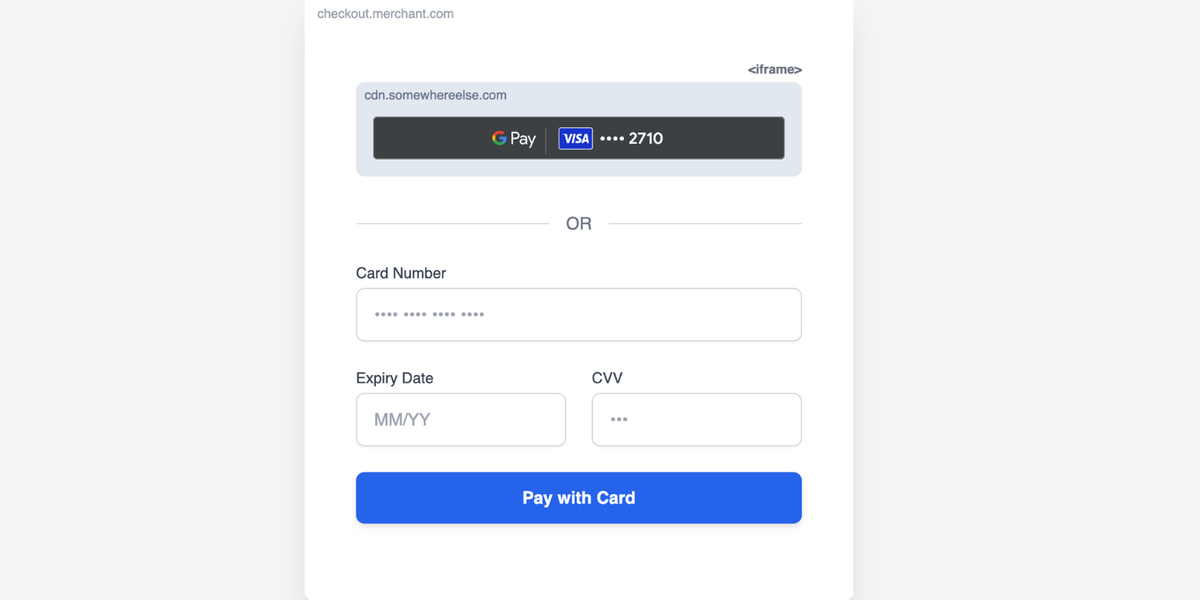
The Universal Commerce Protocol (UCP) continues to evolve as an open-source standard for agentic commerce. This post details the integration of Google Pay and Wallet Developer MCP server, simplifying integration workflows for AI agents and accelerating time to first transaction. Existing Google Pay backends and Merchant IDs are compatible with UCP, enabling agentic commerce experiences without rebuilding core payment logic. New callbacks on Android streamline checkout, and support expands to soc. This post details how to use a sandboxed iframe to integrate Google Pay into PCI DSS v4 compliant checkout pages, addressing the challenge of dynamic script hashing.

2 posts · 2025–2026

Timeline

20252026
Feature trailActive

Google Checkout API and Payment Processing

Google Pay API continues to evolve, enhancing checkout experiences with features like liability shift for eligible Visa device token transactions globally. This includes updates to the eciIndicator for transaction qualification and opt-in mechanisms for merchants. The API also supports dynamic price updates and callback mechanisms, with ongoing rollouts for specific features. The Android native app experience now supports dynamic callbacks for payment and address updates within the Google Pay sheet. New optional properties, `allowedIssuerCountryCodes` and `blockedIssuerCountryCodes`, have been added to the `CardParameters` object to enable filtering by issuer country codes, providing more granular control over accepted payment methods.

34 posts · 2006–2026

Timeline

…20172026
Feature trailActive

Conversational Computing and Ubiquitous Interfaces

Google's Home APIs are evolving to integrate Gemini's AI capabilities, enabling developers to build more intelligent and responsive smart home experiences. This includes Gemini-powered camera features for natural language querying of video clips, AI-driven automation suggestions, conversational automation drafting, and new triggers based on dates and weather. These advancements extend across Google's surfaces, including the Gemini app, smart speakers, smart displays, and Google TV, with a Home S. The Gemini API is also being leveraged to enable IoT devices to understand and react to custom speech commands, bridging the gap between the digital and physical worlds. This involves audio capture, encoding, API requests with function calling, AI processing, and response delivery to the device. Potential applications include smart home automation, robotics, and industrial IoT.

14 posts · 2015–2026

Timeline

…20172026
Feature trailActive

Rapid Storage for PyTorch

Rapid Storage, powered by Google's Colossus architecture, provides high-performance object storage in dedicated zonal buckets. It bypasses legacy REST APIs and utilizes persistent gRPC bidirectional streams for extreme throughput (15+ TiB/s), ultra-low latency (<1ms), and high QPS (20M+). Integration with PyTorch via fsspec allows researchers and developers to keep GPUs busier by addressing data loading and checkpointing bottlenecks in AI/ML workloads. This enables faster training and inference. The Gemini Batch API now supports embeddings and OpenAI compatibility, allowing for asynchronous processing at lower rates and with higher rate limits for cost-sensitive, latency-tolerant, or asynchronous use cases. This includes support for the Gemini Embedding model and an OpenAI compatibility layer for easier migration.

1 post · 2012–2026

Timeline

…20172026
Feature trailActive

Gemini-powered XR Development

The Gemini API continues to evolve, offering developers access to advanced AI models like Gemini 1.5 Flash and Veo 3 for various applications. Veo 3, a text-to-video and image-to-video model with native audio generation, is now available in paid preview via the Gemini API and Vertex AI. It supports synchronized sound, cinematic quality video generation, and realistic physics simulation. Developers can experiment with Veo 3 in Google AI Studio, with pricing at $0.75 per second for video and audio output. Videos generated by Veo 3 include SynthID watermarks. Gemini subscribers also have access in the Gemini app and Flow.

3 posts · 2024–2026

Timeline

20242026
Feature trailActive

Sign Language Interface with MediaPipe

The SignAll SDK provides developers with a sign language interface powered by MediaPipe, enabling the creation of applications that can interpret and process sign language gestures. This SDK leverages MediaPipe's capabilities for real-time perception and gesture recognition, opening up new possibilities for accessibility and human-computer interaction. Gemini's integration with MediaPipe further enhances this by allowing for natural language prompts to build interactive applications that leverag

7 posts · 2020–2026

Timeline

20202026
Feature trailActive

WebGL and 3D Web Rendering

WebGL has evolved to enable rich 3D graphics and interactive experiences directly within web browsers. Early efforts focused on introducing WebGL as a beta technology, providing developers with the tools to render 3D graphics using the HTML5 canvas element and JavaScript. Subsequent developments have seen its widespread adoption, performance optimizations, and integration into various web applications and frameworks, paving the way for a more immersive and dynamic web. This includes the development of O3D, an open-source 3D graphics API.

18 posts · 2009–2026

Timeline

…20172026
Feature trailActive

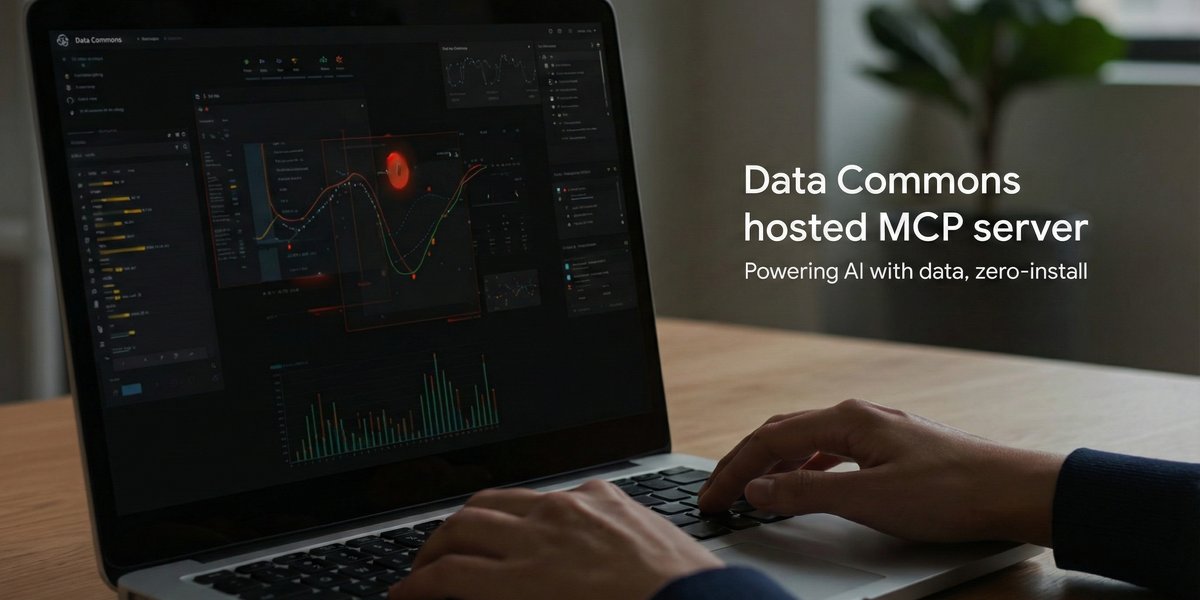
Data Commons Python Client Library V2

Google Cloud Dataflow templates for MongoDB Atlas now directly support JSON data types, enabling seamless integration with BigQuery without complex data transformations. This reduces latency, operational costs, and improves query performance by leveraging BigQuery's native JSON format and functions. Users can configure output formats and use User-Defined Functions (UDFs) for transformations during pipeline execution. The pipeline supports processing entire collections or incremental changes via MongoDB's Change Stream.

1 post · 2025–2026

Timeline

20252026
Feature trailActive

Code Search and Security Analysis

Google Code Search has evolved to provide developers with powerful tools for searching and analyzing codebases. Early efforts focused on enabling efficient code discovery. Subsequent developments have integrated security analysis capabilities, allowing developers to identify potential vulnerabilities and improve the overall security posture of their projects. This now includes support for Git and Mercurial version control systems, further enhancing code search coverage and developer productivity.

9 posts · 2006–2025

Timeline

…20172026
Feature trailCooling

High-Performance Data Pipelines

This thread tracks the evolution of building high-performance data pipelines for machine learning, focusing on efficient data loading, storage formats, and embedding generation. It introduces Grain, a data loading library for JAX, and ArrayRecord, a highly efficient file format. The thread also covers methods for converting existing datasets (like TFRecord) to ArrayRecord using tools like TensorFlow Datasets CLI and Apache Beam. The Gemini API now offers an experimental text embedding model, which has been generally available since July 2025, supporting over 100 languages with a 2048 maximum input token length and utilizing Matryoshka Representation Learning (MRL) for scalable output dimensions. Pricing is $0.15 per 1M input tokens, with free and paid tiers available. Support for the Batch API is also planned.

2 posts · 2024–2025

Timeline

20242026
Feature trailCooling

Google Home APIs and Runtime

Google's Home APIs and Home runtime are evolving to enable all developers to build for the home. This includes Device and Structure APIs for accessing over 600M devices, the Commissioning API for setting up Matter devices, and the Automation API for creating and managing home automations using Google's intelligence signals. The Home runtime will expand hubs to include Chromecast with Google TV and select TVs, with early tests showing device control operating up to three times faster. Partners are leveraging these APIs for new experiences like secure temporary home access, enabling TVs to act as hubs, building helpful automations, and bridging digital and physical worlds for features like bedtime mode.

11 posts · 2020–2025

Timeline

20202026
Feature trailCooling

Google Maps API

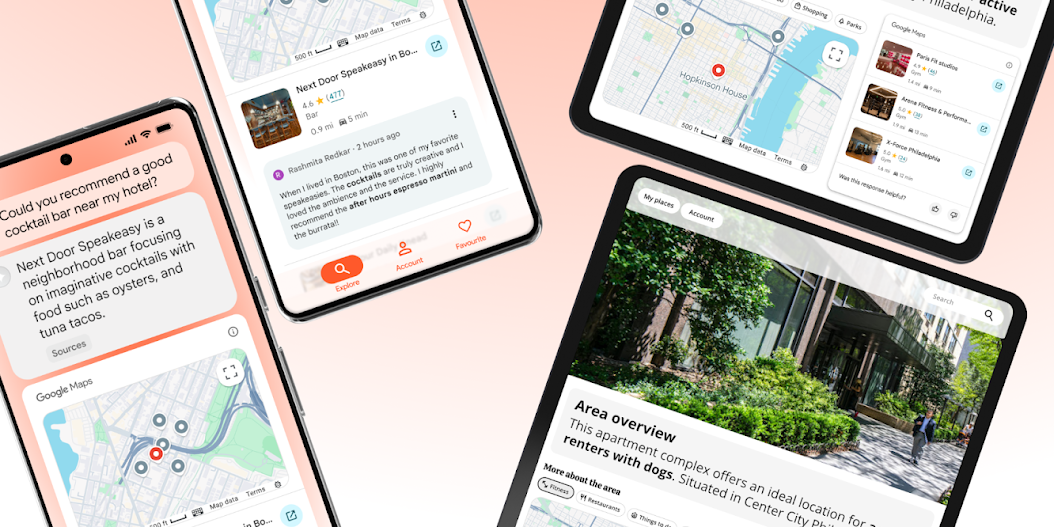
Google Maps Platform has evolved to provide developers with powerful tools for integrating mapping and location-based services into their applications. This includes the introduction of Grounding with Google Search in Vertex AI, enabling generative AI applications to leverage real-time, up-to-date information from Google Maps for factual and reliable outputs. This feature allows AI applications to access daily-updated Google Maps information for timely details like business hours, incorporate user reviews for subjective queries, and combine Google Maps data with business data for personalized property summaries. It also integrates with Google Search for comprehensive query answering.

13 posts · 2005–2025

Timeline

…20172026
Feature trailCooling

Web Application Security and Best Practices

Google's efforts to promote secure development practices and provide tools and guidance to protect web applications from security threats. Early efforts focused on educating developers about common vulnerabilities and best practices for building secure applications. Subsequent developments have involved the introduction of new security tools, APIs, and ongoing guidance to address evolving threats and ensure the safety of web applications and user data. This now includes the implementation of SSL for enhanced API security.

2 posts · 2011–2025

Timeline

…20172026
Feature trailCooling

BigQuery User-Defined Functions and Extensibility

Google BigQuery's capabilities have evolved to enhance extensibility and enable developers to perform more complex data analysis. Early efforts focused on the core BigQuery service and its SQL interface. Subsequent developments introduced User-Defined Functions (UDFs), allowing users to extend BigQuery's SQL with custom logic written in JavaScript and other languages. This enables more sophisticated data transformations and custom aggregations. This post introduces streaming inserts and time-based data loading, and the ability to connect BigQuery to Google Spreadsheets for data analysis and visualization.

20 posts · 2010–2025

Timeline

…20172026
Feature trailCooling

Go Programming Language and Ecosystem

Google's developer platform continues to evolve, supporting cross-platform development with Kotlin Multiplatform (KMP) and WebAssembly. This includes advancements in KMP-enabled Android Jetpack libraries (Room, Annotations, Collections, DataStore, Lifecycle, ViewModel, Paging), optimization of Compose for Android, and the migration of Google Workspace to KMP. The development of custom Kotlin lint checks and broader adoption of KMP for sharing business logic across mobile, web, server, and desktop.

31 posts · 2009–2024

Timeline

…20172026
Feature trailCooling

Flutter Portable UI Framework

Flutter continues to evolve as a mature, production-grade UI framework for building beautiful, high-performance, multi-platform applications. Recent advancements include stable support for WebAssembly (WASM) for optimized browser performance, deeper iOS fidelity with expanded Cupertino widgets and Swift Package Manager integration, improved native interop, and developer productivity enhancements. The Flame game engine, built on Flutter, offers a foundation for game development with features like sprite rendering, animation, and a component system. This evolution enables the creation of complex applications and games across various platforms.

12 posts · 2018–2024

Timeline

20182026
Feature trailCooling

Material Design and UI/UX Evolution

The Material Design system has evolved to provide a comprehensive set of principles, guidelines, and tools for creating unified and intuitive user experiences across Google products and developer applications. Early efforts established the core visual language and design principles. Subsequent developments have expanded and refined Material Design with new components, updated guidelines, and practical advice for developers, including specific tips for designing effective add-ons, ensuring consis

15 posts · 2015–2024

Timeline

…20172026
Feature trailCooling

Quantum Error Correction

The Quantum Error Correction feature thread continues to evolve with advancements in constructing quantum chips that utilize the surface code. This includes demonstrating that logical qubits become over a factor of two more reliable with each increase in patch size, a critical step towards fault-tolerant quantum computation. The thread also encompasses the development of educational resources like the Coursera course on quantum error correction and open-source tools such as Cirq, Stim, and Crumble for simulating quantum circuits and developing error correction techniques.

1 post · 2024

Timeline

20242026
Feature trailCooling

Differential Privacy Systems

Google's commitment to online safety and user privacy has evolved through the expansion of Differential Privacy systems. Early efforts focused on foundational research and internal applications of differential privacy techniques to protect user data while enabling aggregate analysis. Subsequent developments have seen the open-sourcing of libraries and tools, making differential privacy more accessible to developers and researchers. This evolution aims to create a safer online ecosystem by providing the largest application of differential privacy in the world spanning close to three billion devices, improving products like Google Home, Google Search on Android, and Messages. New releases include PipelineDP4j for JVM, DP-Auditorium for auditing differentially private algorithms, and advancements in Google Trends insights for low-volume locales.

4 posts · 2019–2024

Timeline

20192026
Feature trailCooling

Virtual Keyboard API

Chrome on Android is enabling third-party autofill services to natively autofill forms, improving user experience by eliminating compatibility mode glitches. This change requires users to select their preferred autofill service in Chrome settings. Compatibility mode will be removed in early 2025.

2 posts · 2024

Timeline

20242026
Feature trailQuiet since 2024

Memory-Efficient Serialization Libraries

Google's development and promotion of memory-efficient serialization libraries, focusing on enabling high-performance data handling for applications. Early efforts introduced FlatBuffers, a serialization format designed for performance-critical applications, allowing direct access to data without parsing or unpacking. Subsequent developments have seen the release of FlatBuffers 1.1, which further enhances its capabilities and usability for developers. This has now been extended to include an improved API for C++ and Java, and support for C#.

2 posts · 2015–2024

Timeline

…20172026
Feature trailQuiet since 2024

Serialization Libraries and Performance

Google's development and promotion of serialization libraries focused on memory efficiency and performance. It began with the introduction of FlatBuffers, a library designed for zero-copy deserialization, enabling faster data access and reduced memory overhead. Subsequent developments have included the release of Protocol Buffers as open source, providing a language-neutral, platform-neutral, extensible mechanism for serializing structured data, and the introduction of Zopfli for denser data compression.

4 posts · 2008–2024

Timeline

…20172026
Feature trailQuiet since 2024

ARCore Augmented Faces and Cloud Anchors

ARCore has evolved to enable new shared, cross-platform augmented reality experiences. Updates to Augmented Faces and Cloud Anchors allow for more sophisticated and collaborative AR applications. This includes improvements in face tracking and the ability to anchor virtual content to real-world locations, facilitating shared AR sessions across different devices and platforms. Geospatial Creator, powered by ARCore and Photorealistic 3D Tiles from Google Maps Platform, is now available to everyone.

20 posts · 2016–2024

Timeline

…20172026
Feature trailQuiet since 2024

Tango AR Platform

Google's AR platform continues to evolve, with a focus on making world-anchored AR experiences more accessible and discoverable. Geospatial Creator, powered by ARCore and Google Maps Platform's Photorealistic 3D Tiles, is now available to everyone in Adobe Aero and Unity, with enhanced localization speed and anchor accuracy. The ARCore Geospatial API coverage is expanding, and a pilot program is integrating partner AR content into Google Maps for broader user reach. Updates also include improved anchor creation at scale using the Places API.

1 post · 2015–2024

Timeline

…20172026
Feature trailQuiet since 2024

Android Accessibility and Developer Tools

Google's ongoing efforts to enhance accessibility on the Android platform and provide developers with the necessary tools and resources to build accessible applications. This includes advancements in gesture control, facial expression tracking, and integration with the Android Accessibility Service to enable hands-free operation of Android devices. The project aims to make Android devices more accessible for users with disabilities, allowing for customized control of cursor movement, clicks, and more. Project Gameface for Android is now open-sourced, enabling developers to build applications where users can configure their experience by customizing facial expressions, gesture sizes, cursor speed, and more, leveraging MediaPipe's Face Landmarks Detection API and the Android Accessibility API.

14 posts · 2011–2024

Timeline

…20172026
Feature trailQuiet since 2024

CI/CD Privacy Compliance Tooling

Google's Checks platform, an AI-powered compliance tool, is now generally available to all Android and iOS developers. It offers automated privacy compliance reports with actionable insights into data collection and sharing practices, helping developers stay compliant with privacy requirements. Checks integrates into CI/CD pipelines and provides dashboards for monitoring compliance status. A new 'Checks Code Compliance' feature, currently in private preview, uses Gemini models as a coding assist.

1 post · 2024

Timeline

20242026
Feature trailQuiet since 2023

Bazel Build System Evolution

Bazel 7, the latest LTS release, introduces Bzlmod as the default external dependency management system, enabling Build without the Bytes (BwoB) for improved remote build performance, and merging analysis and execution phases (Skymeld) for better multi-target build performance. It also streamlines platform-based toolchain resolution for Android and C++ development. The integration of AOSP into the Bazel ecosystem signifies a move towards more unified build systems for large-scale projects.

3 posts · 2020–2023

Timeline

20202026
Feature trailQuiet since 2023

Code Review and Collaboration Tools

Google's internal and external tools for code review and developer collaboration have evolved to improve code quality and team productivity. Early efforts focused on establishing robust code review processes and providing the necessary infrastructure. The introduction of Git support for Google Code and the concept of 'Assigned Code Reviewers' signify a move towards more structured and efficient workflows, facilitating better collaboration among developers. This post introduces Post-Commit Web Hooks, enabling automated actions upon code commits, and the integration of Git with Google Code Project Hosting, allowing developers to use Git for version control and collaboration on projects hosted on the platform.

16 posts · 2006–2023

Timeline

…20172026
Feature trailQuiet since 2023

Developer Best Practices for Reliability and Security

This post contributes to the ongoing evolution of best practices for software development, focusing on reliability and security. It outlines strategies for managing legacy code, improving testing practices, making informed technology stack choices, and implementing safer deployment and security measures. The content emphasizes practical advice for developers to mitigate common challenges and improve the overall quality and robustness of their software.

1 post · 2023

Timeline

20232026
Feature trailQuiet since 2023

Calendar API Quotas and Developer Access

Google's Calendar API has been updated to allow programmatic reading and writing of user working locations, enabling synchronization with third-party tools, display on other surfaces, and analysis of working patterns. This feature is available for eligible Workspace editions.

13 posts · 2006–2023

Timeline

…20172026
Feature trailQuiet since 2023

Fully Homomorphic Encryption

Google continues to advance Fully Homomorphic Encryption (FHE) by releasing new tools and expanding its toolkit. This includes a TensorFlow-to-FHE compiler for private machine learning on encrypted data, the Jaxite software library for running FHE on hardware accelerators like GPUs and TPUs, and HEIR (Homomorphic Encryption Intermediate Representation), an open-source compiler toolchain for FHE interoperability. These advancements aim to lower costs, expand use cases to video processing and text

1 post · 2021–2023

Timeline

20212026
Feature trailQuiet since 2023

Google Sheets API and Automation

Google Sheets API has evolved to provide developers with programmatic access to create, manage, and retrieve data from Google Forms. This enables automation of form creation, data collection, and integration with other applications and workflows. Early efforts focused on the core functionality of Google Forms as a user-facing tool. Subsequent developments have focused on exposing this functionality through a developer API, allowing for more advanced use cases and integrations.

27 posts · 2006–2023

Timeline

…20172026
Feature trailQuiet since 2023

Node.js Child Process Module Bug Fix

This feature thread tracks the evolution of Node.js's child process module, focusing on bug fixes and performance enhancements. Early efforts involved understanding and addressing issues related to module loading and asynchronous operations within child processes. Subsequent developments have seen the introduction of solutions to critical bugs that impacted large companies and libraries, improving the reliability and efficiency of background task processing. This thread now includes the resolution of a bug affecting ECMAScript module loading in child processes, enabling more robust background task execution.

1 post · 2023

Timeline

20232026
Feature trailQuiet since 2023

App Engine to Cloud Identity Platform Migration

Google Cloud Identity Platform offers a more robust and feature-rich identity and access management solution compared to App Engine's legacy user management. Migrations from App Engine to Cloud Identity Platform are supported through detailed guidance, module-based approaches, and technical walkthroughs, enabling developers to successfully transition their user authentication systems. This also includes guidance on migrating from App Engine Blobstore to Cloud Storage.

1 post · 2012–2023

Timeline

…20172026
Feature trailQuiet since 2022

Deep Learning for Video Voice Dubbing

This post introduces advancements in deep learning techniques applied to video voice dubbing, focusing on improving the quality and naturalness of synthesized speech for translated content. The work likely involves novel model architectures, training methodologies, and evaluation metrics to achieve more seamless audio-visual synchronization and emotional resonance in dubbed videos. This capability aims to enhance the global reach and accessibility of video content by providing high-quality, AI-driven dubbing solutions.

1 post · 2022

Timeline

20222026
Feature trailQuiet since 2022

Clojure on App Engine

Google App Engine has evolved to support a wider range of programming languages, enabling developers to leverage their preferred tools for building and deploying applications. This expansion includes the introduction of Clojure as a supported language, providing a new option for developers seeking to build high-performance, scalable applications on the App Engine platform. This move aims to broaden the appeal and utility of App Engine by accommodating diverse development ecosystems.

3 posts · 2010–2022

Timeline

…20172026
Feature trailQuiet since 2022

AppSheet App Development

AppSheet has evolved to empower users to build custom applications without extensive coding. This includes features for data tracking, workflow automation, and integration with various data sources. The platform aims to democratize app development, enabling individuals and teams to create tailored solutions for their specific needs, such as building a food tracker app. AppSheet databases have been introduced to provide a structured data foundation for building data-driven applications within Goo

3 posts · 2015–2022

Timeline

…20172026
Feature trailQuiet since 2022

Android Voice Interaction Development

Google's developer platform has evolved to provide tools and guidance for creating sophisticated voice interactions on Android. This includes advancements in speech recognition, natural language understanding, and the integration of voice capabilities into applications. The focus is on enabling developers to build intuitive and engaging voice-driven experiences for users, leveraging Google's expertise in AI and conversational interfaces. This post introduces Gesture Search, allowing users to search their Android apps using gestures.

1 post · 2011–2022

Timeline

…20172026
Feature trailQuiet since 2022

Android Deep Linking and App Navigation

This feature thread tracks Google's efforts to enhance deep linking capabilities for Android applications, enabling seamless navigation and improved user experiences. Early efforts focused on establishing foundational mechanisms for app linking and intent handling. Subsequent developments have introduced more sophisticated tools and best practices for developers to supercharge deep linking, allowing for direct access to specific content within apps from external sources like web. This post details the ability to push dynamic shortcuts to Assistant, personalizing user journeys by proactively surfacing relevant app features.

6 posts · 2011–2022

Timeline

…20172026
Feature trailQuiet since 2022

App Actions and Android Shortcuts

App Actions, powered by the Android Shortcuts framework, enable developers to expose their app's functionality to Google Assistant and other surfaces, allowing users to perform in-app tasks using voice commands or shortcuts. This feature has evolved to general availability, providing a robust way to integrate app capabilities into the broader Android ecosystem. This post introduces the ability to push dynamic shortcuts to Assistant, personalizing user journeys by proactively surfacing relevant actions based on user context and behavior.

1 post · 2021–2022

Timeline

20212026
Feature trailQuiet since 2022

Google Cast SDK and Cross-Device Streaming

This feature thread tracks the evolution of Google's efforts to enable seamless content streaming and interactive experiences across devices. Early efforts focused on providing developers with the tools and SDKs to integrate casting capabilities into their applications, allowing users to control playback and stream content from their mobile devices to a larger screen. Subsequent developments have seen the release of the native YouTube Player API for Android, allowing for direct integration of YouTube playback within Android applications, eliminating the need for WebViews and improving performance and user experience.

19 posts · 2012–2022

Timeline

…20172026
Feature trailQuiet since 2022

Google Meet Live Sharing SDK

The Google Meet Live Sharing SDK enables developers to integrate real-time, interactive content sharing directly within Google Meet calls. This SDK allows for synchronized viewing and interaction with shared content, enhancing collaboration and engagement for various applications. It provides APIs for managing shared sessions, synchronizing content state, and handling user interactions within the Meet environment. This capability aims to extend the functionality of Google Meet beyond simple screencasting, and now includes multi-user remote robot control via DNN-based gesture recognition.

2 posts · 2021–2022

Timeline

20212026
Feature trailQuiet since 2022

Cloud Functions Java Runtime

Google Cloud Functions has evolved to support multiple language runtimes, enabling developers to build and deploy serverless functions using their preferred programming languages. This includes support for Java, allowing for the use of familiar tools and libraries within the Cloud Functions environment. The evolution focuses on providing a robust and flexible platform for serverless computing. This post details how App Engine users can leverage Cloud Functions for event-driven tasks, such as processing data from Cloud Storage.

2 posts · 2020–2022

Timeline

20202026
Feature trailQuiet since 2022

Google Forms API

The Google Forms API has been introduced to provide developers with programmatic access to create, manage, and retrieve data from Google Forms. This enables automation of form creation, data collection, and integration with other applications and workflows. Early efforts focused on the core functionality of Google Forms as a user-facing tool. Subsequent developments have focused on exposing this functionality through a developer API, allowing for more advanced use cases and integrations.

3 posts · 2016–2022

Timeline

…20172026
Feature trailQuiet since 2021

Interactive Canvas DevTools

Interactive Canvas DevTools have been introduced to improve the development workflow for Interactive Canvas applications, offering features for debugging and testing.

1 post · 2021

Timeline

20212026
Feature trailQuiet since 2021

Realtime Feed Updates and Syndication

Google's efforts to enable real-time updates and efficient syndication of content have evolved through various technologies and platforms. Early efforts focused on protocols like PubSubHubbub for instant feed updates and the Google Feed API for unified access. Subsequent developments have integrated real-time data capabilities with backend logic using Firebase and Google App Engine, allowing for dynamic updates and enhanced user experiences in web applications. The Google Drive Realtime API has been introduced to facilitate real-time collaboration on documents. This post introduces the use of PubSubHubbub for Google Alerts, enabling near real-time delivery of alert notifications.

11 posts · 2007–2021

Timeline

…20172026
Feature trailQuiet since 2021

Calendar API Quota and Performance Enhancements

Google's Calendar API has evolved to provide developers with enhanced capabilities for managing API usage, including increased quotas and improved performance. This evolution aims to support a growing number of applications and more complex integrations, ensuring a robust and scalable experience for developers. The API now offers more flexibility in handling API requests, allowing for more dynamic and data-intensive applications. This includes the introduction of push notifications, enabling the API to proactively notify applications of changes rather than requiring constant polling, significantly improving efficiency and reducing load.

2 posts · 2013–2021

Timeline

…20172026
Feature trailQuiet since 2021

Open Web Development Environment

Google's developer platform continues to evolve, providing robust tools and infrastructure for building and deploying complex applications. This includes advancements in distributed training on Cloud TPUs using Ray, enabling elastic training with MaxText, Pathways, and Orbax, and integrating high-performance AI inference directly into workflows. The Google APIs Client Library for PHP (Beta) was released, providing developers with programmatic access to Google Cloud services. Dart continues to evolve as a language for building high-performance applications, with ongoing improvements to its asynchronous programming capabilities and server-side performance. The release of Dart 1.0 signifies a stable SDK for structured web apps, marking a significant milestone in its development and adoption for building robust and scalable web applications.

2 posts · 2006–2021

Timeline

…20172026
Feature trailQuiet since 2021

CardDAV and Contact Synchronization

Google's efforts in enabling robust contact synchronization and management across devices and platforms, with a focus on leveraging open standards like CardDAV. Early efforts likely involved understanding the challenges of cross-platform contact data management and exploring solutions. Subsequent developments have expanded programmatic access to user contacts through the Google Contacts Data API, enabling integration with various applications and services. This has now been further enhanced with the introduction of the Google Contacts Data API, providing developers with programmatic access to user contact information, facilitating the creation of applications that can manage and display contacts, and enabling richer integrations with other services.

6 posts · 2008–2021

Timeline

…20172026
Feature trailQuiet since 2021

ML Kit Entity Extraction

ML Kit has expanded its capabilities with the introduction of Entity Extraction, a new feature designed to help developers easily identify and extract meaningful entities from text. This addition aims to simplify natural language processing tasks within mobile applications, allowing for more intelligent text analysis and data extraction. This post introduces Digital Ink Recognition, a new capability within ML Kit that enables real-time recognition of handwritten input on mobile devices, making it more accessible for developers to build applications with handwriting recognition features. ML Kit is now generally available, signifying its readiness for production use and broader adoption.

2 posts · 2018–2021

Timeline

20182026
Feature trailQuiet since 2021

Mainframe Modernization Strategies

This feature thread tracks the evolution of strategies and best practices for modernizing mainframe systems. Early efforts focused on understanding the challenges and opportunities associated with mainframe modernization. Subsequent developments have identified common pitfalls and antipatterns to avoid, providing guidance on successful migration and modernization approaches. This includes strategies for application re-platforming, data migration, and adopting cloud-native architectures to achieve modernization.

1 post · 2021

Timeline

20212026
Feature trailQuiet since 2020

Android Gradle Plugin Evolution

The Android Gradle Plugin (AGP) continues to evolve, with AGP 7.0 representing a significant next major release. This evolution focuses on improving build performance, developer productivity, and compatibility with newer Android development tools and platforms. Key advancements in AGP 7.0 include updates to Gradle compatibility, changes in build logic, and enhancements to the build process itself. This ongoing development ensures that Android developers have access to a powerful and efficient build system that keeps pace with the rapidly evolving Android ecosystem.

1 post · 2020

Timeline

20202026
Feature trailQuiet since 2020

Gmail Contextual Gadgets

Gmail contextual gadgets, previously in developer preview, are now available to all developers. These gadgets allow developers to embed interactive content and functionality directly within Gmail, enhancing user workflows by providing contextual information and actions alongside emails. This enables richer integrations with third-party services and applications, allowing users to manage tasks, view data, and perform actions without leaving their inbox. This post introduces compose-time functions for add-ons, allowing them to provide dynamic content and suggestions during email composition.

2 posts · 2010–2020

Timeline

…20172026
Feature trailQuiet since 2020

Crop Disease Detection ML System

This post introduces the development of a machine learning system for detecting crop diseases, outlining the steps involved in building such an application. It covers data collection, model training, and deployment considerations for a practical ML solution in agriculture.

1 post · 2020

Timeline

20202026
Feature trailQuiet since 2020

Accelerated Mobile Pages (AMP) URL Structure

The evolution of AMP URLs to provide a more streamlined and efficient way to access and serve mobile-optimized content. This includes understanding the structure of AMP URLs, how they are generated, and their role in delivering fast-loading web pages on mobile devices. The focus is on the technical implementation and implications of AMP URL structures for developers and users. This post details updates to the AMP Cache, including the introduction of new cache update mechanisms and the deprecation of older mechanisms.

3 posts · 2016–2020

Timeline

…20172026
Feature trailQuiet since 2020

Hugo Site Deployment to Firebase Hosting

This post introduces a method for automatically deploying Hugo static sites to Firebase Hosting, with a specific focus on handling draft content by deploying it to a separate Cloud Run service. This enables a streamlined workflow for managing both published and draft versions of Hugo websites.

1 post · 2020

Timeline

20202026
Feature trailQuiet since 2020

JSON-RPC and HTTP Batch Endpoints

Google is discontinuing support for JSON-RPC and global HTTP batch endpoints for its APIs. Developers are encouraged to migrate to newer, more efficient methods for interacting with Google APIs. This change aims to streamline API access and improve performance by deprecating older, less performant communication protocols. The focus is on moving towards more modern and robust API interaction patterns.

1 post · 2020

Timeline

20202026
Feature trailQuiet since 2019

Mobile Web Performance and Optimization

This feature thread tracks Google's efforts to improve the performance and user experience of its web applications, particularly on mobile devices. Early efforts focused on reducing startup latency for mobile web applications like Gmail. Subsequent developments have explored optimizing web applications for various screen types and user contexts, including TVs, and addressing broader mobile web performance challenges and strategies to ensure faster loading times and a smoother user experience across devices.

34 posts · 2009–2019

Timeline

…20172026
Feature trailQuiet since 2019

Mail Merge Automation

This feature thread tracks the evolution of performing mail merge operations using Google APIs, enabling automated personalized communication. It likely details how to programmatically access and manipulate data from sources like Google Spreadsheets and send personalized emails via Gmail API. This capability allows for scalable and automated outreach and communication workflows. The Google Docs API has been introduced to allow programmatic creation and editing of documents, enabling automation of document generation and integration with other applications.

2 posts · 2010–2019

Timeline

…20172026
Feature trailQuiet since 2019

Blockly for iOS

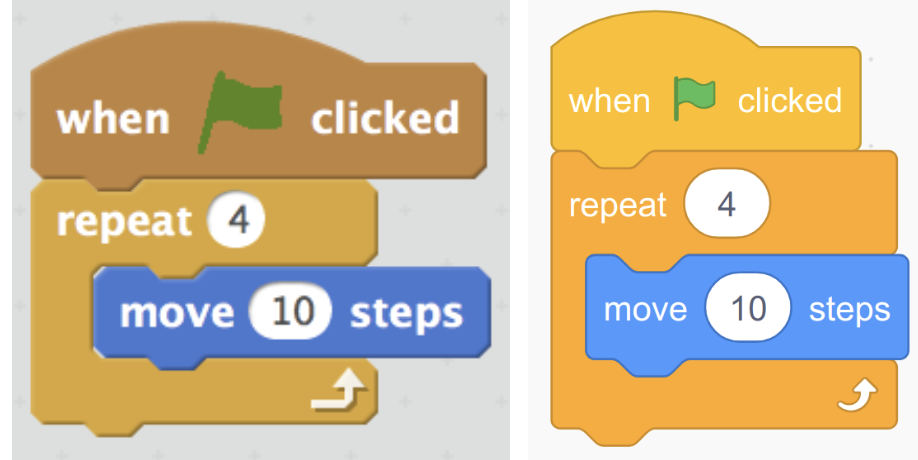
Blockly has evolved to provide developers with a visual programming editor that can be integrated into applications. This includes the release of Blockly for iOS, enabling the creation of visual coding experiences on Apple's mobile platform. The focus is on making programming more accessible and intuitive for a wider audience by abstracting away complex syntax. Scratch 3.0 has adopted Blockly to build its new programming blocks, enhancing its visual programming capabilities.

3 posts · 2016–2019

Timeline

…20172026
Feature trailQuiet since 2018

Google Drive API v3

The Google Drive API has evolved to v3, offering improved performance and new features for uploading and downloading files, as well as managing file metadata. This iteration focuses on streamlining common operations and providing a more efficient developer experience for interacting with Drive data. The OAuth 2.0 Playground is a tool that allows developers to test Google APIs, including the Drive API, by providing an interface to obtain authorization credentials and make API requests. The Document API has been updated to support new features.

3 posts · 2010–2018

Timeline

…20172026
Feature trailQuiet since 2018

Picasa Web Albums and Media Management API

Google Photos APIs have evolved to enhance secure photo sharing and data management. The introduction of the Google Photos Picker API provides a secure and intuitive way for users to select photos and albums, integrating seamlessly with the Google Photos app. The Library API has been updated to focus on accessing and managing photos and videos uploaded by the developer's application, prioritizing user privacy and data protection. New Photos API User Data and Developer Policies replace existing p

9 posts · 2007–2018

Timeline

…20172026
Feature trailQuiet since 2018

Push Messaging for Web Apps and Extensions

Google's efforts to enable real-time, efficient communication for web applications and extensions through push messaging. Early efforts focused on providing mechanisms for servers to send data to clients without requiring constant polling, thereby improving performance and reducing resource consumption. This includes the introduction of push messaging capabilities for Chrome apps and extensions, allowing for instant updates and notifications, and the integration of these capabilities with Firebase.

7 posts · 2013–2018

Timeline

…20172026
Feature trailQuiet since 2018

High-Fidelity Mobile VR Scenes

Google is open-sourcing Seurat, a technology for bringing high-fidelity scenes to mobile VR. This enables developers to create more immersive and detailed virtual reality experiences on mobile devices.

1 post · 2018

Timeline

20182026
Feature trailQuiet since 2018

Firebase Cloud Messaging (FCM) Migration

Firebase Cloud Messaging (FCM) is the successor to Google Cloud Messaging (GCM), offering enhanced features and a more robust platform for sending messages to Android, iOS, and web applications. This migration path ensures developers can leverage the latest advancements in push notification technology.

1 post · 2015–2018

Timeline

…20172026
Feature trailQuiet since 2018

URL Shortener API

Google URL Shortener (goo.gl) is being discontinued. Existing links will continue to redirect, but the console and APIs will be sunset by March 30, 2019. Developers are encouraged to migrate to Firebase Dynamic Links (FDL) for new short link creation and management, which offers advanced features like dynamic platform detection and app installation survival.

3 posts · 2011–2018

Timeline

…20172026
Feature trailQuiet since 2018

Firebase Crashlytics

Firebase Crashlytics has evolved to provide robust crash reporting and stability monitoring for mobile applications. This includes features for automatic crash detection, detailed crash reports, and tools for developers to diagnose and resolve issues, ensuring application stability and a better user experience. The graduation from beta signifies its readiness for production use and broader adoption.

1 post · 2018

Timeline

20182026
Feature trailQuiet since 2018

Open Source Artifact Management

Google's commitment to supporting open source software development has evolved to include robust artifact management solutions. This involves providing tools and infrastructure for managing the build artifacts of open source projects, ensuring their integrity, and facilitating their distribution. The focus is on enabling developers to effectively manage and share the outputs of their build processes, contributing to a more streamlined and reliable open source ecosystem.

1 post · 2018

Timeline

20182026
Feature trailQuiet since 2018

Resonance Audio SDK

Google has open-sourced the Resonance Audio SDK, a cross-platform library for creating immersive audio experiences. This SDK enables developers to integrate spatial audio, ambisonic rendering, and other advanced audio features into their applications for VR, AR, and mobile platforms. The open-sourcing aims to foster community development and wider adoption of high-quality spatial audio. This post details the integration of real-time spatial audio into web applications using Songbird, a Web Audio API-based library, and showcases its use in the Angry Birds Chrome game.

3 posts · 2012–2018

Timeline

…20172026
Feature trailQuiet since 2018

API Infrastructure Outage and Incident Response

Google's efforts in building and maintaining robust API infrastructure, focusing on reliability, incident response, and post-mortem analysis. Early efforts focused on the foundational aspects of API development and deployment. Subsequent developments include detailed analyses of major outages, such as the API infrastructure outage in May 2013, to understand root causes, implement preventative measures, and improve incident response protocols. This thread will also cover the development of bot in

3 posts · 2013–2018

Timeline

…20172026
Feature trailQuiet since 2018

CPU Feature Detection Library

The cpu_features library provides a standardized way for applications to detect and utilize CPU features, enabling performance optimizations and compatibility across different hardware architectures. This library abstracts away the complexities of CPU feature detection, allowing developers to easily leverage advanced CPU capabilities.

1 post · 2018

Timeline

20182026
Feature trailQuiet since 2018

Google Play Games Services C++ SDK

The Google Play Games Services C++ SDK has evolved to provide developers with tools for integrating advanced gaming features into their applications. This includes support for achievements, leaderboards, saved games, and multiplayer functionality. The SDK aims to simplify cross-platform game development and enhance player engagement. This post details the migration to new Play Games Services APIs, focusing on the deprecation of older APIs and the adoption of new ones for achievements, leaderboar

2 posts · 2013–2018

Timeline

…20172026
Feature trailQuiet since 2017

Google Slides API

The Google Slides API allows developers to programmatically create, edit, and manage presentations. This enables automation of slide generation, content updates, and integration with other applications, enhancing productivity and enabling new workflows for presentation management.

2 posts · 2016–2017

Timeline

…20172026
Feature trailQuiet since 2017

Google Play Developer API In-app Billing

The Google Play Developer API has been enhanced with new fields to provide more detailed information about in-app billing, enabling developers to better manage and analyze their in-app purchases and subscriptions. Google Play Services 4.0 introduces new APIs for Google Play Games, including achievements, leaderboards, and real-time multiplayer, along with updates to Google Play Services for location, maps, and Google+ integration.

1 post · 2013–2017

Timeline

…20172026
Feature trailQuiet since 2017

TensorFlow Serving

TensorFlow Serving has evolved to provide a robust and scalable solution for deploying machine learning models in production. Version 1.0 introduced significant improvements in performance, flexibility, and ease of use, enabling developers to serve models efficiently at scale. This evolution includes advancements in model management, serving infrastructure, and integration with the broader TensorFlow ecosystem.

1 post · 2017

Timeline

20172026
Feature trailQuiet since 2017

Brotli Compression

Brotli compression is being adopted and integrated into various Google systems to improve efficiency and reduce data transfer sizes. This includes its application in Google Display Ads to optimize ad delivery and performance.

1 post · 2017

Timeline

20172026
Feature trailQuiet since 2017

Google Assistant SDK

The Google Assistant SDK allows developers to integrate Google Assistant's capabilities into their own devices and applications, enabling voice-controlled interactions and access to Assistant's features. This SDK provides a programmatic interface for sending audio commands to Google's servers and receiving audio responses, facilitating the creation of custom Assistant-enabled products.

1 post · 2017

Timeline

20172026
Feature trailQuiet since 2017

Field Masks for API Updates

This feature thread tracks the evolution of how developers interact with Google APIs for updating resources. Initially, updates often involved sending the entire resource object, leading to potential inefficiencies and unintended side effects. The introduction and adoption of field masks provide a more granular and controlled approach to updates, allowing developers to specify exactly which fields should be modified. This improves API efficiency, reduces bandwidth usage, and enhances the safety of API operations. This post introduces partial response and partial update capabilities, allowing clients to specify which fields to retrieve or update, further optimizing API interactions.

1 post · 2010–2017

Timeline

…20172026
Feature trailQuiet since 2017

Santa Tracker

Google's Santa Tracker has evolved to provide a festive and interactive experience for users, with a focus on leveraging web technologies and engaging content. Early efforts involved the development of the Santa Tracker application itself. Subsequent developments have seen the Santa Tracker become open source, allowing developers to contribute and adapt the technology for their own projects. This evolution aims to foster community involvement and showcase the technical capabilities behind the application.

2 posts · 2017

Timeline

20172026
Feature trailQuiet since 2017

Issue Tracker for Large Projects

Google's issue tracking systems have evolved to better manage complex projects, with recent developments focusing on improvements for larger projects to address scalability, performance, and usability challenges in managing high volumes of issues and complex workflows. This includes the introduction of a new issue tracker designed specifically for G Suite developers, and now the Issue Tracker Data API for Project Hosting, enabling programmatic access to issue data. This post introduces the integration of Subversion for Project Hosting.

2 posts · 2008–2017

Timeline

…20172026
Feature trailQuiet since 2017

Python Fire for CLI generation

Python Fire is a library for automatically generating command-line interfaces (CLIs) from any Python object. It simplifies the process of creating CLIs by introspecting Python code and generating a command-line interface without requiring manual configuration or boilerplate code. This allows developers to quickly expose their Python functions and classes as executable commands.

1 post · 2017

Timeline

20172026
Feature trailQuiet since 2016

Email Migration Tools

Google has provided tools and APIs to facilitate email migrations, evolving to support developers in moving data between systems. Early efforts focused on foundational APIs for email services. Subsequent developments have included specific tools like the Email Migration API to streamline the process of transferring email data. The retirement of this API signifies a shift in strategy or a move towards more integrated solutions for data migration within Google's ecosystem.

2 posts · 2015–2016

Timeline

…20172026
Feature trailQuiet since 2016

Gmail API Email Signature Management

The Gmail API has evolved to allow programmatic modification of email signatures, enabling developers to manage user signatures through an API. This extends the API's capabilities beyond basic email operations to include user profile and preference management. This post introduces the ability to open attachments directly from a web app within Gmail, enhancing user workflows by allowing direct interaction with external applications.

1 post · 2011–2016

Timeline

…20172026
Feature trailQuiet since 2016

Firebase App Indexing for Personal Content

Firebase App Indexing allows developers to make their app's content searchable within Google Search, enhancing discoverability. This feature has evolved to support indexing personal content, enabling users to find their own data within apps directly from Google Search. This includes indexing of emails, documents, and other personal information stored within applications, providing a more integrated and personalized search experience.

1 post · 2015–2016

Timeline

…20172026
Feature trailQuiet since 2016

Closure Compiler for JavaScript Optimization

The Closure Compiler has evolved to provide advanced JavaScript optimization capabilities, including type checking, dead code elimination, and code obfuscation. It has been instrumental in improving the performance and reducing the size of large JavaScript codebases, enabling more efficient web application development. This evolution includes ongoing improvements to its optimization passes and integration into various build systems.

2 posts · 2009–2016

Timeline

…20172026
Feature trailQuiet since 2016

Eddystone Beacon Format Evolution

The Eddystone beacon format has evolved to incorporate ephemeral identifiers, enhancing privacy and security. This advancement allows for more dynamic and secure beacon transmissions, moving beyond static identifiers to better protect user privacy and prevent tracking. The focus is on creating a more robust and privacy-aware open beacon format. The Nearby API allows developers to build proximity-based experiences, enabling devices to discover and communicate with each other.

2 posts · 2015–2016

Timeline

…20172026
Feature trailQuiet since 2016

Location-Based Mobile Gaming and QR Codes

This feature thread tracks Google's exploration and support for location-based mobile gaming and the integration of technologies like QR codes and BLE beacons to enhance these experiences. Early efforts focused on enabling developers to build innovative mobile applications that leverage location data and interactive elements, such as the Google Earth API. Subsequent developments have explored platforms like SCVNGR, which uses QR codes for location-based mobile gaming, and now includes the integration of Eddystone and Google Beacons to provide enhanced location and proximity capabilities for developers. This allows for more sophisticated context-aware applications and interactive experiences.

22 posts · 2008–2016

Timeline

…20172026
Feature trailQuiet since 2016

SwiftShader Universal Rendering

SwiftShader, a high-performance CPU-based rasterizer, has been open-sourced. This enables universal rendering across platforms and devices, including those without native GPU support. It provides a software fallback for graphics rendering, ensuring compatibility and performance for applications relying on graphics APIs.

1 post · 2016

Timeline

…20172026
Feature trailQuiet since 2016

Firebase Remote Config

Firebase Remote Config has evolved to provide developers with a powerful tool for managing and delivering configuration parameters to their applications remotely. This enables dynamic updates to app behavior and appearance without requiring users to download new versions. The service focuses on efficient delivery of configuration, A/B testing of different parameter values, and targeting specific user segments. This allows for iterative development, feature flagging, and personalized user experiences.

2 posts · 2016

Timeline

…20172026
Feature trailQuiet since 2016

WhatsApp and Google Drive Integration

This feature thread tracks the evolution of integrating WhatsApp with Google Drive for backup and restore functionalities. Early efforts focused on enabling users to back up their WhatsApp chat history to Google Drive, providing a secure and convenient way to preserve their data. Subsequent developments have likely involved improving the efficiency, reliability, and security of this integration, potentially including features like automatic backups, selective backup options, and enhanced data recovery mechanisms. The integration aims to provide a seamless user experience for managing WhatsApp data.

1 post · 2016

Timeline

…20172026
Feature trailQuiet since 2016

Google Sheets API and Automation

This feature thread tracks the evolution of Google Sheets' capabilities for developers, focusing on programmatic control and automation. Early efforts likely involved the initial release of Google Sheets and its basic API. Subsequent developments have introduced more advanced functionalities, such as controlling protected ranges and sheets, enabling finer-grained access management and automation of spreadsheet workflows. This evolution aims to empower developers to build more sophisticated applications. This post details changes to the Mail Service in Apps Script, impacting how developers interact with email functionality.

1 post · 2015–2016

Timeline

…20172026
Feature trailQuiet since 2016

Autotrack for analytics.js

Autotrack for analytics.js provides automatic tracking of user interactions with web pages, reducing the need for manual event tagging and simplifying analytics implementation. This enhances the ability to collect detailed user behavior data without extensive developer effort.

1 post · 2009–2016

Timeline

…20172026
Feature trailQuiet since 2016

Website Optimization and Experimentation APIs

Google's development of tools and APIs to empower developers and businesses in optimizing their websites and conducting experiments. Early efforts focused on providing tools for website performance and user experience improvements, including the Website Optimizer Experiment Management API for programmatic A/B testing and asynchronous tracking for Google Analytics. Subsequent developments introduced the Page Speed Service, which automatically optimizes web pages for faster loading and improved performance. This post details specific techniques for writing fast JavaScript and optimizing web page performance, including minimizing HTTP requests, using CSS efficiently, and optimizing images.

65 posts · 2008–2016

Timeline

…20172026
Feature trailQuiet since 2016

iOS Functional UI Testing Framework

Google's developer platform has evolved to provide robust tools and infrastructure for building and deploying complex applications. This includes advancements in testing frameworks for various platforms. Early efforts focused on foundational APIs and outreach. Subsequent developments included the introduction of EarlGrey, an iOS functional UI testing framework, designed to address the challenges of reliable and efficient UI testing on iOS. This framework aims to improve the quality and stability of iOS applications.

1 post · 2016

Timeline

…20172026
Feature trailQuiet since 2016

Google Apps Script Analytics Integration

Google Apps Script now offers enhanced capabilities for tracking add-on usage and performance metrics through integration with Google Analytics. This allows developers to gain deeper insights into how their add-ons are being used, identify areas for improvement, and measure the impact of new features. The integration provides a framework for sending custom events and data to Google Analytics, enabling detailed analysis of user behavior and add-on adoption. The Execution API allows Apps Script co

1 post · 2009–2016

Timeline

…20172026
Feature trailQuiet since 2015

Angular Evolution and Upgrade Path

The Google Web Toolkit (GWT) has evolved to provide developers with a powerful framework for building complex, high-performance web applications. Early efforts focused on enabling Java developers to create rich, client-client applications. Subsequent developments have seen GWT's integration into various Google products and its adoption by external companies, demonstrating its versatility and effectiveness in building scalable and maintainable web interfaces. Version 1.2 introduces new features and improvements.

18 posts · 2006–2015

Timeline

…20172026
Feature trailQuiet since 2015

JavaScript Evolution and Asynchronous Programming

This feature thread tracks the evolution of JavaScript capabilities and asynchronous programming patterns within Google's developer ecosystem. Early efforts focused on introducing fundamental concepts and tools for handling asynchronous operations, such as Promises, to improve the robustness and maintainability of JavaScript applications. Subsequent developments have involved the broader adoption of Promises, the introduction of async/await syntax, and the integration of these patterns in web applications. This post specifically details the integration of Promises into the Google APIs JavaScript Client Library, providing a more structured and efficient way to handle asynchronous API calls.

13 posts · 2007–2015

Timeline

…20172026
Feature trailQuiet since 2015

Android Fingerprint API for Remote Server Authentication

This feature thread tracks the evolution of Android's capabilities for secure user authentication, specifically focusing on leveraging biometric data like fingerprints to authenticate to remote servers. Early efforts likely focused on basic authentication mechanisms. Subsequent developments have introduced the Fingerprint API, enabling developers to integrate secure, hardware-backed authentication into their applications. This allows for a more seamless and secure user experience when accessing sensitive data or services remotely, reducing reliance on traditional password-based methods and enhancing overall security posture.

1 post · 2015

Timeline

…20172026
Feature trailQuiet since 2015

BigQuery User-Defined Functions and Extensibility

This feature thread tracks the evolution of Google BigQuery's capabilities, focusing on enhancing its extensibility and enabling developers to perform more complex data analysis. Early efforts likely focused on the core BigQuery service and its SQL interface. Subsequent developments have introduced User-Defined Functions (UDFs), allowing users to extend BigQuery's SQL with custom logic written in JavaScript and other languages. This enables more sophisticated data transformations, custom aggregations, and integration with external libraries, significantly broadening the scope of data analysis possible within BigQuery.

1 post · 2015

Timeline

…20172026
Feature trailQuiet since 2015

Application Default Credentials

Application Default Credentials (ADC) provides a unified way for applications to authenticate to Google Cloud APIs, simplifying the process for developers by automatically discovering and using credentials. This feature aims to reduce the complexity of authentication for various environments, including local development, Compute Engine, and App Engine.

1 post · 2015

Timeline

…20172026
Feature trailQuiet since 2015

Polymer Web Components

Polymer 1.0 is a major release of the web components framework, offering a stable and production-ready platform for building reusable UI elements. It emphasizes performance, ease of use, and interoperability, enabling developers to create modern web applications with encapsulated components. This release signifies a maturation of the framework, making it suitable for large-scale adoption and production environments.

1 post · 2015

Timeline

…20172026
Feature trailQuiet since 2015

Web Search API and Developer Access to Search Data

This feature thread tracks the evolution of Google's provision of APIs and tools for developers to access and leverage Google Search capabilities and data. Early efforts focused on providing programmatic access to Google Search results through the Web Search API, enabling developers to integrate search functionality into their own applications and services. Subsequent developments have seen the retirement of the Web Search API, signaling a shift in Google's strategy for developer access to search data. This post introduces the Google Search Appliance virtual edition for developers, offering a way to experiment with enterprise search capabilities locally.

21 posts · 2006–2015

Timeline

…20172026
Feature trailQuiet since 2015

Web Font Loading and Typography APIs

Google's development and integration of web font loading technologies and related typography APIs to enhance web design and user experience. Early efforts focused on providing developers with tools and libraries to efficiently manage and load web fonts, improving website performance and visual consistency. The introduction of the Google Font API and Google Font Directory provided a centralized repository and programmatic access to a curated collection of open-source fonts. This post introduces the ability for developers to programmatically access and utilize a curated collection of open-source fonts, enabling them to embed high-quality typography into their web applications and improve website performance and visual consistency.

10 posts · 2010–2015

Timeline

…20172026
Feature trailQuiet since 2015

Web Font Optimization

The WebP image format has evolved to offer advanced features for web developers, focusing on image compression, quality, and transparency. Early efforts introduced WebP with its lossless and lossy compression capabilities. Subsequent developments have focused on enhancing transparency support, offering more control over alpha channels, and introducing new modes to optimize image delivery and visual fidelity on the web. This evolution aims to provide developers with more powerful tools for managing images on the web. This post introduces WOFF (Web Open Font Format) as a new compressed font format for the web, offering significant improvements in file size and loading times compared to existing formats like TrueType and OpenType.

1 post · 2012–2015

Timeline

…20172026
Feature trailQuiet since 2014

Geofencing API

This post details the architecture and implementation of a scalable geofencing API built on Google App Engine. It covers the challenges of handling large-scale geospatial data and real-time location updates, and the strategies employed to ensure performance and reliability. The API leverages App Engine's capabilities for handling background tasks and data storage to provide a robust geofencing solution.

1 post · 2014

Timeline

…20172026
Feature trailQuiet since 2014

Location-Based Mobile Gaming and QR Codes

This feature thread tracks Google's exploration into location-based mobile gaming and the integration of technologies like QR codes to enhance user engagement and gameplay. Early efforts focused on leveraging mobile platforms and emerging technologies to create interactive and location-aware gaming experiences. This post introduces SCVNGR, a platform that uses QR codes for location-based mobile gaming, allowing users to check into locations and earn points, thereby bridging the physical and digital worlds. Subsequent developments will likely involve further integration of these technologies and expansion into new platforms and gaming experiences.

2 posts · 2010–2014

Timeline

…20172026
Feature trailQuiet since 2014

C++ Math Library for Game Development

Google provides a C++ math library, MathFu, designed to assist game developers with common geometric calculations, offering optimized performance for game engines.

1 post · 2014

Timeline

…20172026
Feature trailQuiet since 2014

Optimization and Algorithmic Problem Solving

This feature thread tracks Google's exploration and application of optimization techniques and algorithmic problem-solving across various domains, from linear programming and diet optimization to the development of tools and platforms that facilitate such problem-solving for developers. Early efforts focused on showcasing how complex problems like the 'Ten Cent Diet' could be solved using linear optimization. Subsequent developments have seen the application of these principles in areas like Sudoku solvers and other algorithmic challenges.

2 posts · 2014

Timeline

…20172026
Feature trailQuiet since 2014

Google Fit SDK

The Google Fit SDK provides developers with tools to integrate fitness and health data into their applications, enabling the creation of a unified view of user activity and health metrics. This SDK allows for the collection, storage, and analysis of data from various sources, empowering users to track their progress and gain insights into their well-being.

1 post · 2014

Timeline

…20172026
Feature trailQuiet since 2014

Admin SDK User Attributes and Access Control

The Admin SDK has evolved to offer more granular control over user management within Google Workspace domains. This includes the introduction of custom user attributes, allowing administrators to store and manage domain-specific user information beyond standard profile fields. Additionally, the SDK has been enhanced to provide broader access to all domain users, simplifying management tasks and enabling more comprehensive user administration capabilities. This evolution aims to empower administrators with greater flexibility and control over user data and access within their organizations.

1 post · 2014

Timeline

…20172026
Feature trailQuiet since 2014

Google Cloud Platform Client Library for Node.js

The Google Cloud Platform Client Library for Node.js provides a programmatic interface to interact with Google Cloud services, simplifying the development of Node.js applications that leverage Google Cloud's infrastructure and services. This library has evolved to offer robust support for various Google Cloud services.

1 post · 2011–2014

Timeline

…20172026
Feature trailQuiet since 2014

DNS Resolution and Performance

Google's initiatives in DNS resolution and performance have evolved to include open-sourcing key technologies. Early efforts focused on providing a new public DNS resolver to improve internet speed and security for users. Subsequent developments have included the introduction and performance analysis of the SPDY protocol, particularly its impact on mobile networks, aiming to reduce latency and improve the performance of the web by enabling features like request prioritization, bidirectional streams, and header compression. This post details the use of compression techniques to improve web performance.

9 posts · 2009–2014

Timeline

…20172026
Feature trailQuiet since 2014

Web Server Bandwidth Optimization

Google's initiatives in optimizing web server bandwidth usage have evolved to include advanced caching techniques and the implementation of progressive JPEGs within mod_pagespeed. Go Daddy has adopted mod_pagespeed to significantly improve their website's loading speed and performance.

1 post · 2010–2014

Timeline

…20172026
Feature trailQuiet since 2014

Dart Async and Server-Side Performance

Dart continues to evolve as a language for building high-performance applications, with ongoing improvements to its asynchronous programming capabilities and server-side performance. This includes enhancements to the event loop, isolate model, and core libraries to reduce latency and increase throughput for server applications. The release of Dart 1.0 signifies a stable SDK for structured web apps, marking a significant milestone in its development and adoption for building robust and scalable web applications.

1 post · 2011–2014

Timeline

…20172026
Feature trailQuiet since 2014

GeoIP Geolocation with BigQuery

This feature thread tracks the evolution of performing GeoIP geolocation lookups directly within Google BigQuery. It details how to leverage BigQuery's capabilities to enrich data with location information based on IP addresses, enabling more sophisticated data analysis and insights. This capability allows engineers to directly query and analyze location data without needing to export it to external systems for processing.

1 post · 2013–2014

Timeline

…20172026
Feature trailQuiet since 2014

Infinite Scroll Implementation

This feature thread tracks techniques for implementing infinite scroll on web pages, a common pattern for loading content dynamically as the user scrolls. It focuses on the client-side JavaScript implementation and considerations for performance and user experience. This post specifically details the implementation of autogrowing textareas within the context of Gmail for mobile HTML5, addressing how to dynamically adjust textarea height based on content.

1 post · 2009–2014

Timeline

…20172026
Feature trailQuiet since 2013

Resource Timing API for Network Performance

The Resource Timing API provides developers with detailed timing information about network requests made by a web page. This allows for granular measurement of resource loading performance, identification of bottlenecks, and optimization of web application speed. It offers insights into DNS lookup, connection time, SSL negotiation, and content download duration for each resource.

1 post · 2011–2013

Timeline

…20172026
Feature trailQuiet since 2013

Offline Data Synchronization and Web Applications

This feature thread tracks Google's exploration into enabling robust offline capabilities for web applications, focusing on data synchronization and user experience. Early efforts involved understanding the challenges of offline access and exploring potential solutions. This post introduces the use of AppCache for offline web applications, specifically for Gmail on mobile HTML5, demonstrating a key step in enabling offline functionality. Subsequent developments may involve further optimizations and broader adoption of offline capabilities.

20 posts · 2007–2013

Timeline

…20172026
Feature trailQuiet since 2013

AdWords API and Developer Tools

Google's developer tools and APIs for advertising and monetization have evolved to support in-app purchases and game monetization. Early efforts focused on providing access to advertising platforms through APIs like the AdWords API. Subsequent developments introduced new ways for developers to optimize ad revenue through AdSense, including the AdSense for Mobile Applications Beta, allowing developers to integrate AdSense into their mobile applications to monetize their content. The AdWords API Java client library was released, enabling developers to programmatically manage AdWords campaigns and access advertising data.

24 posts · 2005–2013

Timeline

…20172026
Feature trailQuiet since 2013

Web Development on Raspberry Pi

This post introduces Coder, a tool that simplifies the creation of web applications on Raspberry Pi devices. It allows developers to write web content using HTML, CSS, and JavaScript and deploy it directly to the Raspberry Pi, making it easier to build and run web projects on embedded hardware.

1 post · 2013

Timeline

…20172026
Feature trailQuiet since 2013

DevTools Editing Workflow

This post introduces improvements to the DevTools editing workflow, focusing on enhancing developer productivity and efficiency when debugging and developing web applications. The enhancements aim to streamline the editing process within DevTools.

1 post · 2013

Timeline

…20172026
Feature trailQuiet since 2013

Performance Profiling and Optimization Tools

This feature thread tracks the evolution of Google's contributions to performance profiling and optimization tools. Early efforts focused on providing developers with access to tools and resources, such as man-pages. The release of nsscache, an open-source named services system, demonstrated a continued commitment to providing foundational tools that can impact system performance and efficiency. Google's sponsorship of improvements to FreeBSD's performance measurement toolkit and the proactive identification and resolution of performance bottlenecks in systems like Drupal and web applications have been key developments. This thread also encompasses the introduction of tcmalloc, a high-performance memory allocator, and the ZXing library for barcode decoding, showcasing a broad commitment to enhancing system performance and developer tooling.

20 posts · 2006–2013

Timeline

…20172026
Feature trailQuiet since 2013

Twilio Integration for Voice and SMS

Google Cloud Platform has evolved to support seamless integration with third-party communication services like Twilio, enabling developers to build applications with voice and SMS capabilities. This includes providing APIs and infrastructure to connect Google Cloud services with Twilio's communication network, facilitating features such as automated calls, text messaging, and interactive voice response systems. This integration aims to empower developers to create richer, more interactive user experiences.

1 post · 2013

Timeline

…20172026
Feature trailQuiet since 2013

Libjingle and Real-time Communication Libraries

Google's efforts in providing libraries and tools for real-time communication and related developer utilities. It began with the release of Libjingle, enabling developers to build applications for voice and video calls. The introduction of Google Talk, a developer-friendly platform, signifies an early step in making real-time communication accessible to developers. The introduction of Google Wave, a real-time, web-based communication and collaboration platform, further expanded these capabilities.

14 posts · 2005–2013

Timeline

…20172026
Feature trailQuiet since 2013

AJAX Search API

Google's AJAX Search API has evolved to enable developers to integrate search functionality directly into their web pages with dynamic updates, improving user experience and interactivity. This includes the introduction of modules, widgets, and templates for more flexible and powerful search implementations.

1 post · 2006–2013

Timeline

…20172026
Feature trailQuiet since 2013

Push Messaging for Web Apps and Extensions

This feature thread tracks the evolution of Google's efforts to enable real-time, efficient communication for web applications and extensions through push messaging. Early efforts focused on providing mechanisms for servers to send data to clients without requiring constant polling, thereby improving performance and reducing resource consumption. This includes the introduction of push messaging capabilities for Chrome apps and extensions, allowing for instant updates and notifications, and the exploration of related technologies to enhance the responsiveness and efficiency of web-based applications.

1 post · 2013

Timeline

…20172026
Feature trailQuiet since 2013

Developer Outreach and Community Engagement

Google's commitment to developer outreach and community engagement has evolved through various initiatives. Early efforts included highlighting innovative uses of tools and engaging the community through conferences like the 'Summer of Code' program and the Google Highly Open Participation Contest (HOPC). Subsequent developments have expanded this outreach globally, with Google Developer Days events being hosted in multiple locations worldwide to connect with and support developers. This thread now includes discussions on how developers can develop, engage with Google's platforms, and earn through various opportunities showcased at events like Google I/O.

10 posts · 2005–2013

Timeline

…20172026
Feature trailQuiet since 2013

Tailbone JavaScript Client for App Engine

Tailbone provides a JavaScript client library that enables web applications running on App Engine to communicate with other App Engine services. This allows for more dynamic and interactive applications by facilitating inter-service communication directly from the browser.

1 post · 2013

Timeline

…20172026
Feature trailQuiet since 2013

Java Runtime and Cloud Endpoints

Google Cloud Platform continues to evolve its runtime support and developer tools. This post announces the preview of Cloud Endpoints for Java 7, enabling developers to build and deploy APIs on Google App Engine using the Java 7 runtime. This expands the platform's capabilities for Java developers, offering new tools and environments for API development and deployment.

1 post · 2013

Timeline

…20172026
Feature trailQuiet since 2013

Google App Engine Research Projects

Google App Engine has evolved to support a wider range of programming languages and features, enabling developers to build and deploy scalable applications. This includes ongoing releases with bug fixes, performance improvements, and new capabilities. The platform continues to be a key service for building and deploying applications at scale, offering flexibility and robust infrastructure for developers. Evite leveraged App Engine to handle their event invitation platform, scaling to manage millions of invitations.

1 post · 2008–2013

Timeline

…20172026
Feature trailQuiet since 2012

Native Client and Secure Code Execution

Google's Native Client (NaCl) technology has evolved to enable the secure execution of native code within web browsers. Early efforts involved the Native Client Security Contest to identify and address vulnerabilities, demonstrating a commitment to robust security. Subsequent developments have involved expanding NaCl's capabilities, improving its performance, and integrating it into more Google products and services to enable high-performance web applications.

8 posts · 2008–2012

Timeline

…20172026
Feature trailQuiet since 2012

CRM Integration with Inbox

Streak integrates CRM functionalities directly into the inbox, leveraging Google Cloud Platform to provide a seamless experience for managing customer relationships alongside email communications. This enables users to track leads, manage deals, and collaborate on customer interactions without leaving their inbox.

1 post · 2012

Timeline

…20172026
Feature trailQuiet since 2012

Civic Information and Representative Connectivity

Google's development of APIs and tools to connect users with civic information and their elected representatives has evolved to empower citizens and foster engagement. Early efforts focused on providing programmatic access to information about government officials and their contact details through the Civic Information API. Subsequent developments have expanded to include tools for professional groups to map their presence and connect with their communities, and now includes the ability for US u

4 posts · 2011–2012

Timeline

…20172026
Feature trailQuiet since 2012

SVG Adoption and Web Graphics

Google's engagement with Scalable Vector Graphics (SVG) technology has evolved to include tools for converting legacy formats to modern web standards and making SVG documents searchable on Google. Early efforts focused on fostering community and developer adoption of SVG through events like the SVG Open conference. Subsequent developments involved showcasing the capabilities of HTML5, including its support for rich media and interactive content, and integrating these advancements into developer tools. This post announces the release of a tool to convert SWF files to HTML5, enabling broader adoption of rich web graphics.

19 posts · 2009–2012

Timeline

…20172026
Feature trailQuiet since 2012

WebP Image Format Enhancements

The WebP image format has evolved to offer advanced features for web developers, focusing on image compression, quality, and transparency. Early efforts introduced WebP with its lossless and lossy compression capabilities. Subsequent developments have focused on enhancing transparency support, offering more control over alpha channels, and introducing new modes to optimize image delivery and visual fidelity on the web. This evolution aims to provide developers with more powerful tools for managing image assets.

3 posts · 2010–2012

Timeline

…20172026
Feature trailQuiet since 2012

Google Translate API and Developer Integration

Google Translate API and its integration into developer tools and platforms have evolved to provide programmatic translation capabilities. Early efforts focused on user-facing translation services. Subsequent developments have made these services accessible via APIs, enabling integration into a wide range of applications. This includes showcasing the technology and its applications through formats like 'Coffee with a Googler' sessions and introducing new formats in the Translator Toolkit.

3 posts · 2009–2012

Timeline

…20172026
Feature trailQuiet since 2012

CSS Performance and Maintainability

This feature thread tracks the evolution of optimizing CSS loading and maintainability, focusing on techniques like reducing file size, improving caching, and structuring CSS for easier management. It highlights the importance of these practices for overall web performance and developer efficiency. This post specifically details the use of CSS3 Transitions and Transforms to enhance the user experience in Gmail for the iPad, demonstrating how modern CSS features can be leveraged for richer client-side interactions and animations.

1 post · 2009–2012

Timeline

…20172026
Feature trailQuiet since 2012

Service Accounts for Google Cloud

Service Accounts provide a managed identity for applications to authenticate to Google Cloud APIs, simplifying authentication and enhancing security by eliminating the need for user credentials. This enables programmatic access to Google Cloud services for applications running on Google Cloud or elsewhere.

1 post · 2012

Timeline

…20172026
Feature trailQuiet since 2012

Google Cloud Storage Access Control

Google Cloud Storage has evolved to offer robust and flexible access control mechanisms, enabling fine-grained permissions management for data stored within the service. This includes the introduction of IAM roles, ACLs, and other security features to ensure data security and compliance. This post details the introduction of concurrency controls (e.g., `ifGenerationMatch` and `ifMetagenerationMatch`) for atomic operations on objects, and deeper integration with App Engine for more seamless data management.

2 posts · 2011–2012

Timeline

…20172026
Feature trailQuiet since 2011

Closure Stylesheets

Closure Stylesheets, a CSS preprocessor, was introduced to help developers write more maintainable and scalable CSS. It allows for features like variables, mixins, and nested rules, which are compiled into standard CSS. This aims to improve the development workflow for large-scale web projects by providing better organization and reducing redundancy in stylesheets.

1 post · 2011

Timeline

…20172026
Feature trailQuiet since 2011

Chrome Text-to-Speech API

Chrome extensions can now leverage a new Text-to-Speech API, enabling them to generate spoken audio from text. This API provides programmatic access to text-to-speech capabilities directly within the browser environment, allowing for richer and more interactive user experiences.

1 post · 2011

Timeline

…20172026
Feature trailQuiet since 2011

GTFS-realtime for Transit Data

The GTFS-realtime specification has been introduced to enable the exchange of real-time transit updates, allowing for more dynamic and accurate transit information for developers and users. This builds upon the foundational GTFS (General Transit Feed Specification) by adding a real-time dimension.

1 post · 2011

Timeline

…20172026
Feature trailQuiet since 2011

Latitude API

The Latitude API provides developers with tools to access and utilize user location data, enabling the creation of location-aware applications and services. This API allows for the retrieval of a user's current location, historical location data, and location sharing preferences, subject to user consent and privacy controls. It facilitates features such as location-based recommendations, friend finders, and personalized content delivery. This post introduces the Gears Geolocation API, which leverages client-side JavaScript to provide location data to web applications, enabling offline capabilities and improved user experiences.

1 post · 2007–2011

Timeline

…20172026
Feature trailQuiet since 2011

Subversion Integration for Project Hosting

Google's Project Hosting has evolved to support multiple version control systems, enhancing developer flexibility and collaboration. It began with upgrades to Subversion, followed by the introduction of Git support, allowing developers to use their preferred VCS. This evolution aims to provide a robust and versatile platform for code management and project hosting. Recent advancements include simplified quota management for project hosting and now server-side clone support for Mercurial.

6 posts · 2006–2011

Timeline

…20172026
Feature trailQuiet since 2011

Google API Performance Optimization

This feature thread tracks the evolution of optimizing performance when using Google APIs. Early efforts focused on general performance tips for API interactions. Subsequent developments have likely involved more specific guidance, new tools, and best practices for various Google APIs to ensure efficient and fast data exchange.

1 post · 2011

Timeline

…20172026
Feature trailQuiet since 2011

SWF to HTML5 Conversion

Swiffy is a tool that converts Flash Professional SWF files to HTML5, enabling web developers to leverage existing Flash content on modern browsers and devices that do not support Flash. This conversion process allows for the creation of interactive web content that is accessible across a wider range of platforms.

1 post · 2011

Timeline

…20172026
Feature trailQuiet since 2011

Chrome File Browser Handler

This feature thread tracks the evolution of Chrome's capabilities for handling file system interactions and browser integration. Early efforts focused on enabling web applications to interact with local files through specific handlers. This post introduces the File Browser Handler, a mechanism that allows web applications to register themselves as handlers for specific file types, enabling richer integration between web applications and the user's local file system. This capability aims to improve the user experience by allowing direct interaction with local files from web applications.

1 post · 2011

Timeline

…20172026
Feature trailQuiet since 2011

ChromeVox Spoken Feedback

ChromeVox is an open-source screen reader that provides built-in spoken feedback for Chrome OS, enabling users with visual impairments to interact with the operating system and web applications. It offers features like speech synthesis, navigation commands, and integration with web content.

1 post · 2011

Timeline

…20172026
Feature trailQuiet since 2011

Offline Data Synchronization and JavaScript Applications

Google's exploration into enabling robust offline capabilities for JavaScript applications, particularly focusing on data synchronization and management. Early efforts involved understanding and showcasing technologies like CouchDB that facilitate offline data storage and synchronization, allowing web applications to function seamlessly even without a constant internet connection. This lays the groundwork for more resilient and user-friendly web experiences. This post introduces the use of Gears for offline data synchronization in web applications, specifically for Rails applications, enabling them to function offline by leveraging Gears' capabilities for local data storage and synchronization.

1 post · 2008–2011

Timeline

…20172026
Feature trailQuiet since 2011

Google APIs Discovery Service

The Google APIs Discovery Service provides a unified API to discover and access all Google APIs. This service allows developers to programmatically discover available APIs, their methods, parameters, and data schemas, simplifying the integration of multiple Google services into applications. It acts as a central catalog for Google's growing API ecosystem. The Google APIs Explorer is a web-based tool that allows developers to explore and interact with Google APIs directly, facilitating API discovery.

1 post · 2010–2011

Timeline

…20172026
Feature trailQuiet since 2011

GQueues Mobile HTML5 Web App

GQueues, a task management system, has evolved to offer a mobile-optimized HTML5 web application. This allows users to access and manage their queues from mobile devices through a web browser, providing a more accessible and responsive user experience without requiring native app development. The focus is on leveraging modern web technologies to deliver a capable mobile interface.

1 post · 2011

Timeline

…20172026
Feature trailQuiet since 2011

JavaScript HTML5 Game Development

Google Developers Blog has been a platform for showcasing advancements in web technologies for game development. This includes the evolution of JavaScript and HTML5 capabilities for creating 2D games, providing developers with tools and techniques to build interactive and engaging gaming experiences directly in the browser. This has evolved to include more sophisticated frameworks, performance optimizations, and cross-platform compatibility.

1 post · 2010–2011

Timeline

…20172026
Feature trailQuiet since 2011

Prediction API

Google's Prediction API allows developers to integrate machine learning capabilities into their applications, enabling them to build 'smart apps' that can make predictions based on data. This API provides access to trained models for tasks such as classification and regression, simplifying the process of incorporating AI into software. The API is designed to be accessible to a wide range of developers, abstracting away the complexities of machine learning model training and deployment. This post details the integration of the Prediction API with BigQuery, allowing for more sophisticated data analysis and predictive modeling.

1 post · 2010–2011

Timeline

…20172026
Feature trailQuiet since 2011

Rich Text Editing Test Suite

This feature thread tracks the evolution of tools and techniques for testing rich text editing capabilities in web applications. Early efforts focused on developing robust test suites to ensure the reliability and functionality of rich text editors, addressing challenges related to complex formatting, cross-browser compatibility, and user interaction. Subsequent developments have likely involved the integration of these tools into broader developer platforms, advancements in automated testing frameworks, and the introduction of new debugging capabilities to improve web development workflows.

1 post · 2011

Timeline

…20172026
Feature trailQuiet since 2010

Instant Previews

Instant Previews have evolved to provide users with a quick and efficient way to preview web content directly from search results. Early efforts focused on the technical implementation of generating and displaying these previews. Subsequent developments have likely involved optimizing the preview generation process, improving the user experience, and potentially integrating more advanced rendering techniques to provide richer and more accurate previews.

1 post · 2010

Timeline

…20172026
Feature trailQuiet since 2010

Drupal Performance Optimization

This feature thread tracks Google's efforts in optimizing the performance of popular content management systems like Drupal. Early efforts focused on identifying and addressing performance bottlenecks within Drupal 7, leading to significant speed improvements. Subsequent developments may involve applying similar optimization techniques to other platforms or exploring advanced caching and database tuning strategies. This post details specific performance improvements made to Google Code, likely impacting its Drupal-based infrastructure.

2 posts · 2008–2010

Timeline

…20172026
Feature trailQuiet since 2010

.NET Data API SDK

The .NET Data API SDK has been updated to provide developers with tools for interacting with Google's data services. This SDK facilitates the integration of .NET applications with Google's data infrastructure, enabling efficient data management and access.

1 post · 2010

Timeline

…20172026
Feature trailQuiet since 2010

JavaScript Code Bloat Reduction

This post introduces the JavaScript Knowledge Base, a system designed to identify and reverse code bloat in JavaScript. It aims to improve performance and reduce the size of JavaScript codebases by analyzing and optimizing code. This capability focuses on the technical aspects of JavaScript optimization and code analysis.

1 post · 2010

Timeline

…20172026
Feature trailQuiet since 2010

Chrome Extensions for Web Development

Chrome Extensions have evolved to become a powerful platform for enhancing web development workflows. Early efforts focused on introducing the concept and capabilities of extensions for developers. Subsequent developments have seen the platform mature with new APIs, improved security models, and expanded use cases, enabling developers to build powerful tools that integrate directly into the browser environment. This includes advancements in debugging, performance analysis, and custom user interfaces.

1 post · 2009–2010

Timeline

…20172026
Feature trailQuiet since 2010

Cloud Sharing Service

This post introduces the development of a cloud sharing service, detailing the technologies and approaches used to build it. It likely covers aspects of data storage, access control, and user management within a cloud environment.

1 post · 2010

Timeline

…20172026
Feature trailQuiet since 2010

Energy Management and Device Integration APIs

Google's initiatives in energy management and the development of APIs to integrate with smart devices have evolved to include the Google PowerMeter API, enabling device manufacturers to provide energy consumption data to users. This builds upon earlier efforts in sustainable technology and smart device integration.

1 post · 2010

Timeline

…20172026
Feature trailQuiet since 2010

DoubleClick for Publishers API

DoubleClick for Publishers (DFP) API provides programmatic access to manage ad inventory, campaigns, and reporting for publishers. This enables automation of ad operations, integration with other ad tech platforms, and custom reporting solutions. The API allows for detailed control over ad serving, targeting, and performance analysis. AdSense for Mobile Applications Beta was introduced, allowing developers to integrate AdSense into their mobile applications to monetize their content.

1 post · 2009–2010

Timeline

…20172026
Feature trailQuiet since 2010

Google Chart API Limits and Performance

The Google Chart API has evolved to provide developers with more flexibility and performance for generating charts. Early efforts focused on the core functionality of the API. Subsequent developments have included lifting the limit on the number of calls, enabling developers to create more dynamic and data-intensive visualizations, and adding support for QR codes. This evolution aims to support a wider range of applications and improve the overall user experience by removing previous constraints.

3 posts · 2007–2010

Timeline

…20172026
Feature trailQuiet since 2009

Browser Size Tool

Google Developers Blog has introduced Google Browser Size, a tool designed to help web developers understand and visualize browser window dimensions across various devices and screen resolutions. This tool aids in responsive web design by providing insights into the viewport sizes developers need to target.

1 post · 2009

Timeline

…20172026
Feature trailQuiet since 2009

Web Debugging and Testing Tools

This feature thread tracks the evolution of tools and techniques for debugging and testing web applications. Early efforts focused on providing developers with powerful tools to inspect and debug web pages, such as Firebug. Subsequent developments have involved the integration of these tools into broader developer platforms, advancements in automated testing frameworks, and the introduction of new debugging capabilities to improve web development workflows. This post introduces additional functionality for debugging and testing web applications.

1 post · 2009

Timeline

…20172026
Feature trailQuiet since 2009

Native Client Security and Sandboxing

This feature thread tracks Google's advancements in Native Client (NaCl) technology, focusing on its security, performance, and broader adoption. Early efforts involved the Native Client Security Contest to identify and address vulnerabilities, demonstrating a commitment to robust security. Subsequent developments likely involve expanding NaCl's capabilities, improving its performance, and integrating it into more Google products and services to enable high-performance web applications.

1 post · 2009

Timeline

…20172026
Feature trailQuiet since 2009

Google Web Elements

Google Web Elements are a set of reusable UI components designed to simplify the creation of web applications by providing pre-built, customizable elements. This initiative aims to standardize UI development and improve developer productivity by offering a consistent set of building blocks for web interfaces.

1 post · 2009

Timeline

…20172026
Feature trailQuiet since 2009

Bespin: Open Web Development Environment

Bespin was an experimental, in-browser code editor designed to provide a productive and fun development environment on the Open Web. It aimed to bring rich editing features, such as syntax highlighting, code completion, and debugging, directly into the browser, allowing developers to work on projects without needing to install local development tools. This initiative explored the potential of web technologies for creating sophisticated developer tools.

1 post · 2009

Timeline

…20172026
Feature trailQuiet since 2009

JavaScript Performance Optimization

This feature thread tracks the evolution of JavaScript performance optimization techniques and tools. Early efforts focused on identifying and addressing common performance bottlenecks in JavaScript code. Subsequent developments have involved the introduction of new tools, libraries, and best practices to improve the speed and efficiency of JavaScript execution in web applications. This includes techniques for reducing code bloat, optimizing DOM manipulation, and leveraging asynchronous programming patterns.

1 post · 2009

Timeline

…20172026
Feature trailQuiet since 2008

Google Search Appliance Virtual Edition

Google Search Appliance (GSA) has evolved to offer a virtual edition, making its powerful enterprise search capabilities accessible to developers for testing and development purposes. This virtual appliance allows developers to build and test search-driven applications without the need for dedicated hardware, fostering innovation and accelerating development cycles.

1 post · 2008

Timeline

…20172026
Feature trailQuiet since 2008

Performance Measurement Tools

This post introduces the concept of measuring performance by observing the 'slow way' – essentially, profiling and analyzing performance bottlenecks through manual observation and measurement. This approach emphasizes understanding the underlying system behavior rather than relying solely on automated tools. It lays the groundwork for more sophisticated performance analysis techniques by highlighting the importance of detailed observation and understanding of system dynamics.

1 post · 2008

Timeline

…20172026
Feature trailQuiet since 2008

Open Automation Framework

The Open Automation Framework (OAF) has been introduced as an open-source project to provide a flexible and extensible platform for automating various tasks and workflows. Early efforts focused on the initial release and community engagement around the framework. Subsequent developments will likely involve expanding its capabilities, integrating with other systems, and fostering a robust ecosystem of plugins and extensions.

1 post · 2006–2008

Timeline

…20172026
Feature trailQuiet since 2008

Google Finance Data API

Google Finance has evolved to provide developers with programmatic access to financial data through a dedicated API. This enables the creation of applications that can leverage real-time stock quotes, historical data, and other financial information. The API aims to empower developers to build innovative financial tools and services.

1 post · 2006–2008

Timeline

…20172026
Feature trailQuiet since 2008

Custom Search API

The Custom Search API allows developers to create customized search engines for their websites or applications, enabling them to control the look, feel, and results of their search experience. This API provides programmatic access to Google's search technology, allowing for deep integration and customization.

1 post · 2008

Timeline

…20172026
Feature trailQuiet since 2008

Google Health Data API

The Google Health Data API has been introduced to provide developers with programmatic access to health-related data, enabling the creation of applications that can leverage this information. Early efforts focused on the initial release and core functionality of the API. Subsequent developments will likely involve expanding its capabilities, improving data access, and fostering integration with other health platforms and services.

1 post · 2008

Timeline

…20172026
Feature trailQuiet since 2007

OpenSSL Security and Maintenance

Google's commitment to maintaining and updating critical security libraries like OpenSSL. Early efforts focused on ensuring the timely application of security patches and updates to OpenSSL to protect Google's infrastructure and user data. Subsequent developments will likely involve deeper integration of OpenSSL into Google's systems, proactive vulnerability management, and contributions to the OpenSSL project itself.

1 post · 2007

Timeline

…20172026
Feature trailQuiet since 2007

Barcode Decoding Library

The ZXing (Zebra Crossing) library has been released as open-source, providing developers with a robust 1D and 2D barcode decoding capability. This library aims to simplify the integration of barcode scanning into applications, offering a common solution for various barcode formats.

1 post · 2007

Timeline

…20172026
Feature trailQuiet since 2007

AJAX for Accessibility

Google's efforts to enable AJAX functionality in web applications have evolved to improve accessibility for users relying on assistive technologies. Early efforts focused on bridging the gap between AJAX's dynamic nature and the needs of accessibility. Subsequent developments have seen the introduction of libraries like AxsJAX, which allow for dynamic content updates without full page reloads, improving the user experience for screen readers and other assistive tools. This evolution aims to make web applications more inclusive and usable for a wider audience.

1 post · 2006–2007

Timeline

…20172026
Feature trailQuiet since 2007

nsscache Named Services System

nsscache is an open-source named services system designed to improve the efficiency and performance of name resolution and service discovery within applications. It provides a flexible framework for managing and accessing named services, aiming to reduce latency and improve the overall reliability of service interactions.

1 post · 2007

Timeline

…20172026
Feature trailQuiet since 2007

Blogger GData JavaScript Client Library

The Blogger GData JavaScript client library has been released, enabling developers to build offline Blogger clients. This library provides a JavaScript interface for interacting with Blogger data, facilitating the creation of applications that can access and manipulate Blogger content without a constant internet connection.

1 post · 2007

Timeline

…20172026
Feature trailQuiet since 2007

Linux Kernel-Userland Interface

This feature thread tracks the evolution of the Linux kernel-userland interface, focusing on design, testing, and documentation. Early efforts likely involved foundational discussions and best practices for kernel module development. Subsequent developments include updates from major conferences like LinuxConf EU and the Linux Kernel Summit, highlighting ongoing advancements in interface design, rigorous testing methodologies, and comprehensive documentation to ensure stability and interoperability.

1 post · 2007

Timeline

…20172026
Feature trailQuiet since 2007

Ganeti Virtual Server Management

Ganeti is an open-source virtual server management software released by Google. It provides a framework for managing virtual machines, including creation, deletion, and migration. This initial release lays the groundwork for a robust system for virtualized infrastructure management.

1 post · 2007

Timeline

…20172026
Feature trailQuiet since 2007

GeoServer Improvements

This feature thread tracks the evolution of GeoServer, focusing on improvements to its capabilities and performance. Early efforts likely involved the initial development and release of GeoServer. Subsequent developments have focused on enhancing its functionality, such as improving its ability to handle geographic data and provide advanced geospatial services. This post introduces specific improvements to GeoServer, indicating a continued effort to refine and expand its features.

1 post · 2007

Timeline

…20172026
Feature trailQuiet since 2007

Singleton Detection Tools

Google's development of tools to aid developers in identifying and managing singletons within their applications. Early efforts focused on introducing the Google Singleton Detector to help engineers maintain code quality and prevent common design pattern pitfalls.

1 post · 2007

Timeline

…20172026
Feature trailQuiet since 2007

MySQL Manageability and Reliability Enhancements

Google continues to enhance the manageability and reliability of MySQL through ongoing patch releases and system improvements. These updates focus on addressing critical issues, optimizing performance, and ensuring the stability of MySQL deployments within Google's infrastructure.

1 post · 2007

Timeline

…20172026
Feature trailQuiet since 2007

Objective-C Library for Google Data APIs

Google continues to expand its developer ecosystem by providing native libraries for various platforms, enabling easier integration with Google's data APIs. This evolution aims to support a wider range of client applications and development environments.

1 post · 2007

Timeline

…20172026
Feature trailQuiet since 2007

Tesseract OCR Integration and Development

Google's involvement with Tesseract OCR has evolved from its initial announcement and integration into developer tools to ongoing advancements in its capabilities and applications. Early efforts focused on making Tesseract OCR, a powerful open-source OCR engine, available to developers. Subsequent developments have seen its integration into various Google products and services, along with community contributions and improvements to its accuracy and performance. This thread now includes the release of Tesseract OCR as open source.

2 posts · 2006–2007

Timeline

…20172026
Feature trailQuiet since 2007

Guice Dependency Injection Framework

Guice, Google's internal Java dependency injection framework, has been released as open source. This release aims to provide developers with a robust and flexible solution for managing dependencies in Java applications, promoting cleaner code and improved maintainability.

1 post · 2007

Timeline

…20172026
Feature trailQuiet since 2007

FUSE for Mac OS X

This feature thread tracks the evolution of FUSE (Filesystem in Userspace) for Mac OS X, enabling developers to create custom file systems. Early efforts focused on the initial porting and development of FUSE for Mac OS X, allowing for user-space file system implementations. Subsequent developments involve performance optimizations, broader compatibility, and integration with other system tools.

1 post · 2007

Timeline

…20172026
Feature trailQuiet since 2006

tcmalloc Memory Allocator

tcmalloc is a high-performance memory allocator developed by Google, designed to improve application performance by reducing memory allocation overhead and fragmentation. Early efforts focused on its core functionality and benefits for large-scale applications. Subsequent developments have likely involved performance optimizations, integration with various Google systems, and continued research into memory management techniques.

1 post · 2006

Timeline

…20172026
Feature trailQuiet since 2006

GData JSON Support

Google's GData APIs have evolved to support JSON as a data format, in addition to XML. This provides developers with more flexibility in how they interact with Google services, allowing them to choose the format that best suits their needs and technical stack. This move aims to improve developer experience and broaden the adoption of GData APIs.

1 post · 2006

Timeline

…20172026
Feature trailQuiet since 2006

Atom Publishing Protocol

The Atom Publishing Protocol (AtomPub) has been introduced as a standard for creating and updating web resources. This protocol aims to provide a consistent and extensible framework for web-based content creation and management, enabling developers to build applications that interact with web resources in a standardized way. Early efforts focused on defining the protocol and its core functionalities. Subsequent developments will likely involve its adoption in various Google products and services

1 post · 2006

Timeline

…20172026
Feature trailQuiet since 2006

GTAGS Source Code Indexing

The GTAGS project has been released as open source, providing a powerful tool for indexing and searching source code. This release aims to enhance developer productivity by enabling quick navigation and understanding of large codebases. Future developments may focus on expanding its indexing capabilities, improving search performance, and integrating it with other development tools.

1 post · 2006

Timeline

…20172026